Auckland's housing market has reached the halfway point of 2026 with a split result: OneRoof reports that Onetangi on Waiheke Island is one of the North Island's strongest performers, while almost two-thirds of Auckland suburbs are down for the year. The OneRoof-Valocity analysis says Auckland's average property value at the end of June was 1.1 percent, or $14,000, lower than at the start of the year, and 2.5 percent, or $32,000, lower than a year earlier.
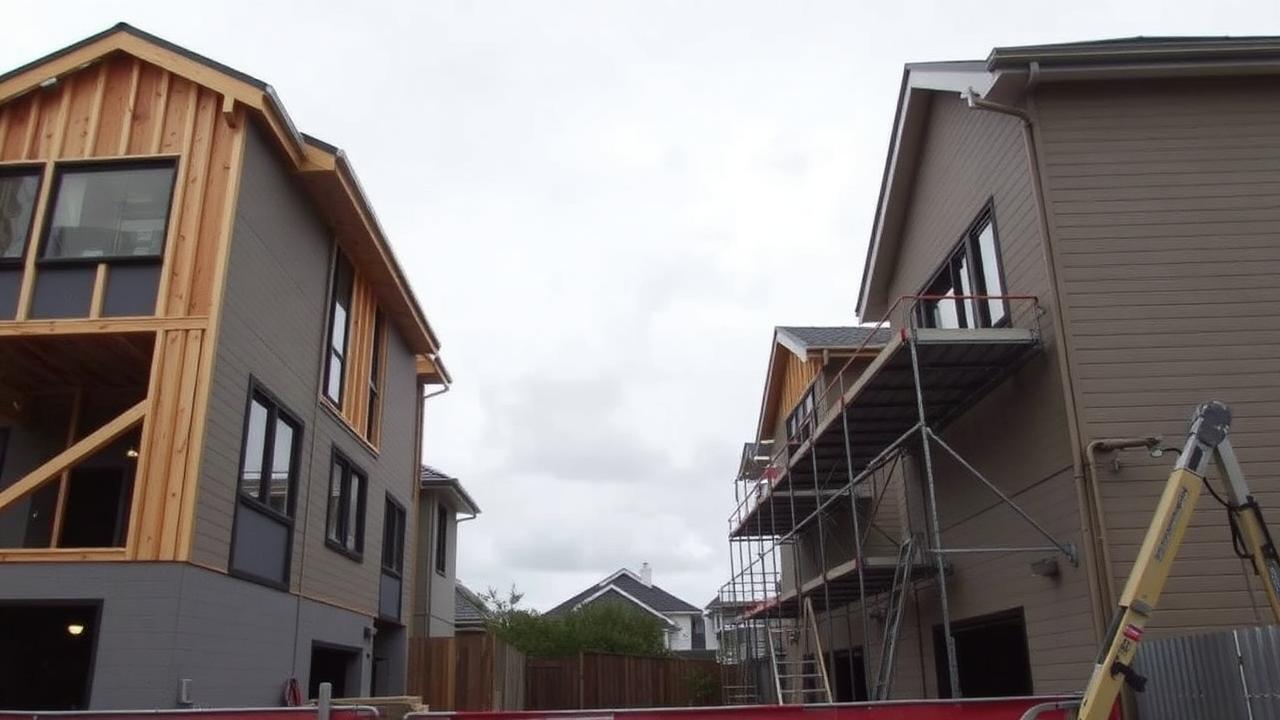
The weakest Auckland figures are concentrated in familiar urban suburbs. OneRoof reports that values in Waterview are down 6.3 percent, Onehunga is down 4.6 percent and Point Chevalier is down 4.4 percent, with the article linking those declines to an influx of new townhouse and apartment builds. That is a useful reminder that "Auckland property" is not one market. Different suburbs can move in different directions depending on supply, buyer income, investor interest, transport access and the type of housing being added.
Onetangi sits on the other side of the ledger. OneRoof says the Waiheke beach suburb rose 6.1 percent, or $121,000, to an average property value of $2.09 million. That gain does not mean the wider Auckland market is booming. It shows that premium lifestyle locations can move differently from more supply-heavy urban suburbs. Scarcity, lifestyle appeal and affluent buyer demand can support a beach-market pocket even while the broader city is under pressure.
The market pressure is not mysterious. OneRoof describes Auckland as weighed down by cost-of-living pressures, a weak job market, rising interest rates and abundant listings, with picky buyers having more than 15,000 residential properties to choose from. When buyers have that much choice, urgency fades. Sellers who still expect peak-era pricing can sit unsold, while realistic vendors meet the market through discounts, longer campaigns or more flexible conditions.
The townhouse and apartment factor is especially important for suburbs such as Waterview, Onehunga and Point Chevalier. More supply can improve long-term housing choice, but it can also reset local price expectations in the short term. If buyers can compare multiple newer, smaller or denser homes in the same suburb, older stock or higher-priced listings may face pressure. That is not necessarily a bad outcome for affordability, but it changes the wealth picture for existing owners.
For first-home buyers, a softer Auckland market can be helpful only if incomes, deposits and mortgage servicing keep up. A lower asking price is not enough when interest rates, insurance, rates and everyday costs remain high. Buyers still need to be cautious about body corporate costs, flood risk, transport dependence and the difference between a headline discount and long-term value.
For sellers, the lesson is to price against current competition rather than last year's conversation. The city has pockets of demand, but the overall numbers suggest buyers are selective. Onetangi can rise while Onehunga falls because the buyer pools, supply constraints and emotional drivers are different. A single Auckland average hides those differences.
The wider significance is that Auckland's property market is becoming more local, more segmented and less forgiving. Growth is no longer lifting most suburbs together. Owners in supply-heavy areas are facing the effect of more choice, while lifestyle and scarce coastal pockets can still attract money. That is a healthier signal than a blind boom, but it is also harder for households to read.