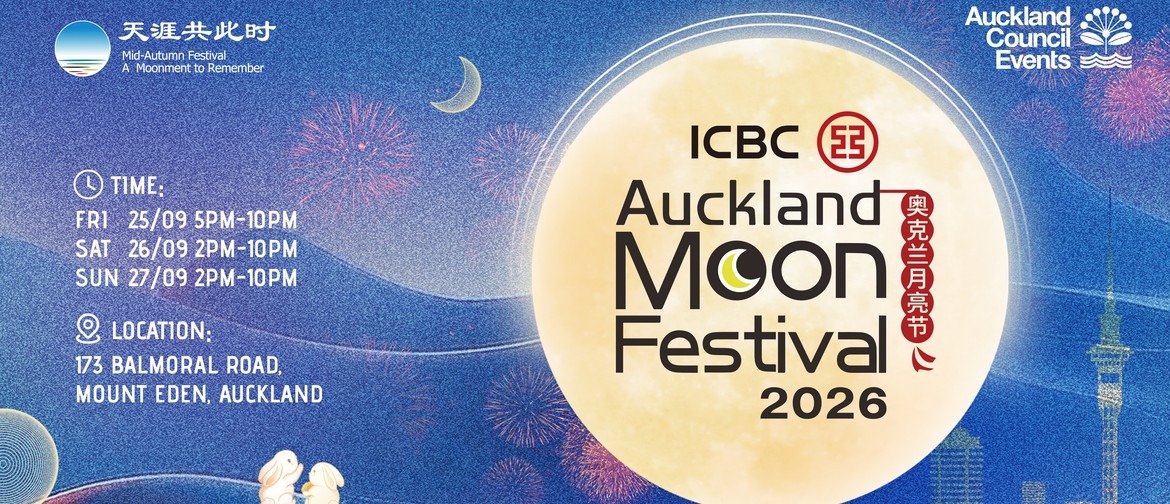
Auckland Moon Festival is already building its 2026 audience, with a September Balmoral event listing, an official festival site and recent social promotion that puts the festival's co-founder vision in front of the public.
Eventfinda lists Moon Festival 2026 - Lanterns, Culture, Food & Performances at 173 Balmoral Road in Auckland, with the listing highlighting food, market stalls, Asian food street and festival dining experiences. The official Auckland Moon Festival site gives the wider event frame: a large free-entry cultural festival built around the Asian tradition of celebrating the moon, togetherness, harmony and happiness.
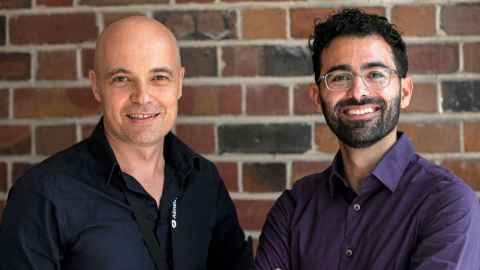
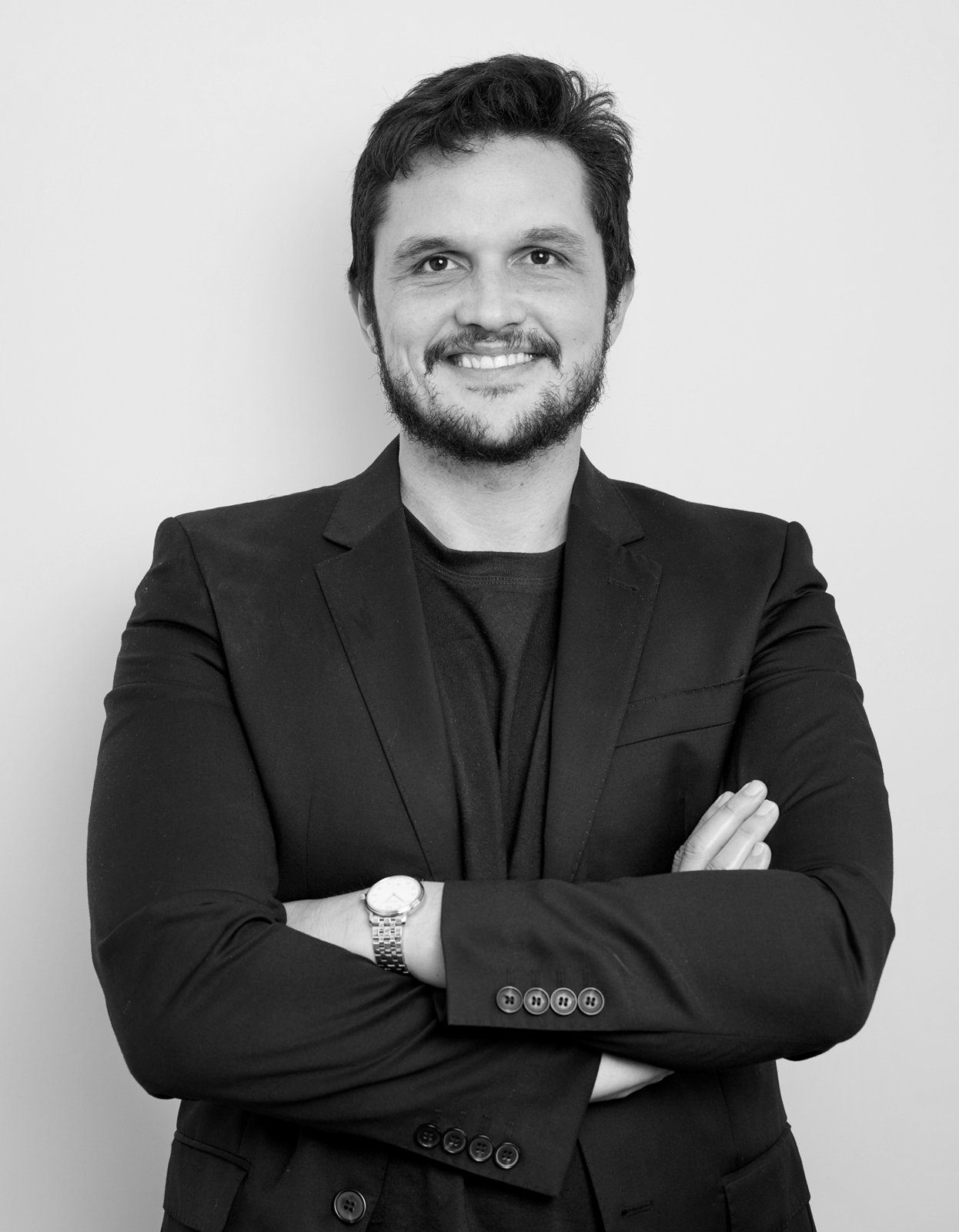
The founder element is important because the event is not only a date on a calendar. A festival of this scale depends on people who build partnerships, bring stallholders together, secure sponsors, arrange performances, coordinate volunteers and persuade communities that the event is worth showing up for. The festival's Instagram promotion, indexed publicly this week, points audiences to a co-founder speaking about the vision behind Auckland's food and culture celebration.
The official site is also commercially direct. It presents social and cultural value through kotahitanga, community value through whanaungatanga and economic value through manaakitanga. It says the festival blends Chinese culture with local Kiwi culture, engages local communities through collaboration and participation, and contributes to Auckland's regional commercial vitality. Those are broad statements, but they show how the organisers want the event understood: culture, community and local economic activity in the same place.
For Balmoral and surrounding suburbs, that combination is credible. Food and culture festivals can create short, intense bursts of foot traffic for local businesses, restaurants, suppliers and community organisations. They can also introduce wider Auckland audiences to a town centre they may not visit often. The risk is congestion, crowding and short-term pressure on parking and streets, but those are manageable issues if the planning is clear.
The 2025 festival information still visible on the official site points to the model: a free-entry, three-day event with food, cultural performance, lanterns, market activity and accessibility guidance. The 2026 Eventfinda listing carries the forward-facing public date information, while the festival site gives background on what the event is trying to be.
This story fits The Auckland Loop's founder rule because it focuses on a founder-led cultural and food enterprise rather than treating the festival as anonymous entertainment. Community events are often presented as if they simply appear. In reality, someone has to assemble the relationships, trust and logistics that make them work.
The food angle is also not secondary. Moon Festival audiences expect eating to be part of the cultural experience, not an add-on. Market stalls and Asian street-food formats can create opportunities for small operators that do not always get the visibility of permanent restaurant brands. If the 2026 event repeats the scale promised by the official site, stallholder selection and operational quality will shape how visitors remember it.
The most useful reader takeaway is timing. The festival is not happening this weekend, but the public build-up is underway now. Stallholders, performers, volunteers and families who want to plan around it should check the official festival channels and the Eventfinda listing rather than waiting until September.
Auckland's events economy is strongest when it supports both major-ticket attractions and community-rooted cultural festivals. Auckland Moon Festival sits in the second category, but its audience and commercial effect can still be large. The co-founder-led build-up gives the city a reminder that cultural celebration is also local enterprise.