Auckland families have a dense July events calendar to work through, with OurAuckland's current listings putting Matariki Festival 2026, school-holiday activities and several cultural and learning events in the same winter window.
The main OurAuckland events page lists Matariki Festival 2026 from 6 July to 17 July. It also lists School Holidays with Auckland Council Pools and Leisure, LIVE Day: Weather Science, Nga Whetu o te Tau Hou, Dementia friendly Sunday and other events visible on the 12 July page. That mix shows how the city calendar is working this winter: major cultural programming sits beside local libraries, leisure centres, family activities and specialist community events.
The practical value is that families do not have to treat the school holidays as one expensive outing after another. Council-linked listings include free and low-cost options, local venues and activities that can be matched to weather, transport and age. That matters during a week when rail closures and winter temperatures can make spontaneous movement around the city harder.
The Pakuranga school-holiday listing is a good example of the local layer. It lists week-one activities including Star Talk by Auckland Astronomical Society, a community game-a-thon, Matariki Memory Corner, poi making with the Re-Creators, a whanau movie time and Creative LEGO Building on Sunday 12 July. These are not large headline events, but they are exactly the kind of local programming that can make school holidays manageable for families close to a library or community venue.
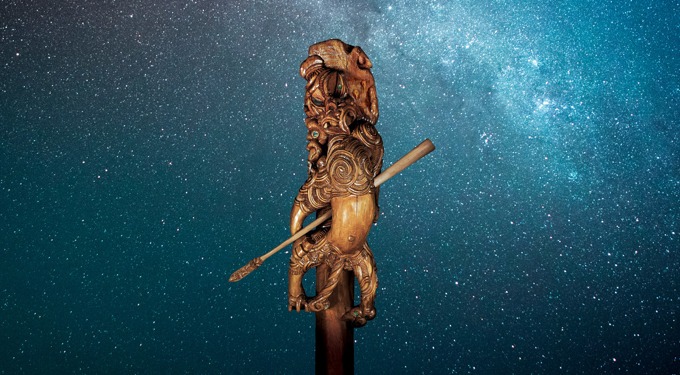
Matariki gives the calendar a stronger frame than generic winter entertainment. Events such as Nga Whetu o te Tau Hou and LIVE Day: Weather Science connect the season to stars, weather, learning and te ao Maori. That matters because Matariki can be flattened into a holiday weekend if the public calendar only promotes sales, road trips or concerts. The better local events help people understand why the season matters.
The challenge for families is choosing well. A long list can become overwhelming. The useful approach is to sort by location first, then by cost, booking requirement and weather resilience. Indoor options such as library sessions, gallery activities, pools, leisure programmes and theatre can protect the day if the weather turns. Outdoor Matariki events and markets may work better when the forecast is settled.
Transport planning also matters. Auckland Transport's full rail network closure continues through Sunday 12 July, so families relying on trains need to check replacement buses or choose closer activities. A free event on the other side of the city can become expensive in time and stress if the route is not practical.
The events calendar is also useful for local businesses. Family outings can support cafes, small retailers and town centres when people add lunch, snacks or errands around an activity. That benefit is strongest when events are spread across suburbs rather than concentrated only in the city centre.
There is a broader civic point here. Winter school holidays can be isolating for families with limited budgets, limited transport or children of different ages. A public events calendar gives people a way into shared spaces, learning and cultural experiences without needing to design every day from scratch.
Auckland's July listings will not solve every school-holiday pressure, but they do give households options. The best use of the calendar is local, practical and flexible: check the listing, confirm whether booking is needed, plan transport, and choose activities that fit the weather and the family's energy rather than chasing the biggest event.