Auckland families are heading into the July school holidays with a dense council events calendar that mixes Matariki, libraries, pools, leisure centres, workshops and local community activities. OurAuckland's events listing shows Matariki Festival 2026 running from 4 to 19 July, while Auckland Council pools and leisure school holiday activities run from 6 to 17 July.
The timing matters because the winter break can be hard to plan. Weather is changeable, household budgets are tight, and many parents need activities that do not require a long drive or a high ticket price. Council libraries, pools and community venues become more important in that setting because they spread activities across suburbs rather than concentrating everything in the city centre.
Pakuranga Community Library's programme shows how local the holiday offer can be. The OurAuckland listing includes free activities across 6 to 19 July, with star talks, games, Matariki making sessions, poi making, whānau movie sessions, LEGO building, a Robogals elastic catapult workshop, microgreens with Compost Collective, digital play and paper mache activities. Some sessions require booking, but the overall shape is designed around low-cost family access.
That mix is useful because school holiday planning is not only entertainment. It is also childcare pressure, learning loss, social connection and keeping children active during winter. A library-based programme that includes science, craft, environmental learning and digital play gives children something structured without turning every activity into a commercial outing.
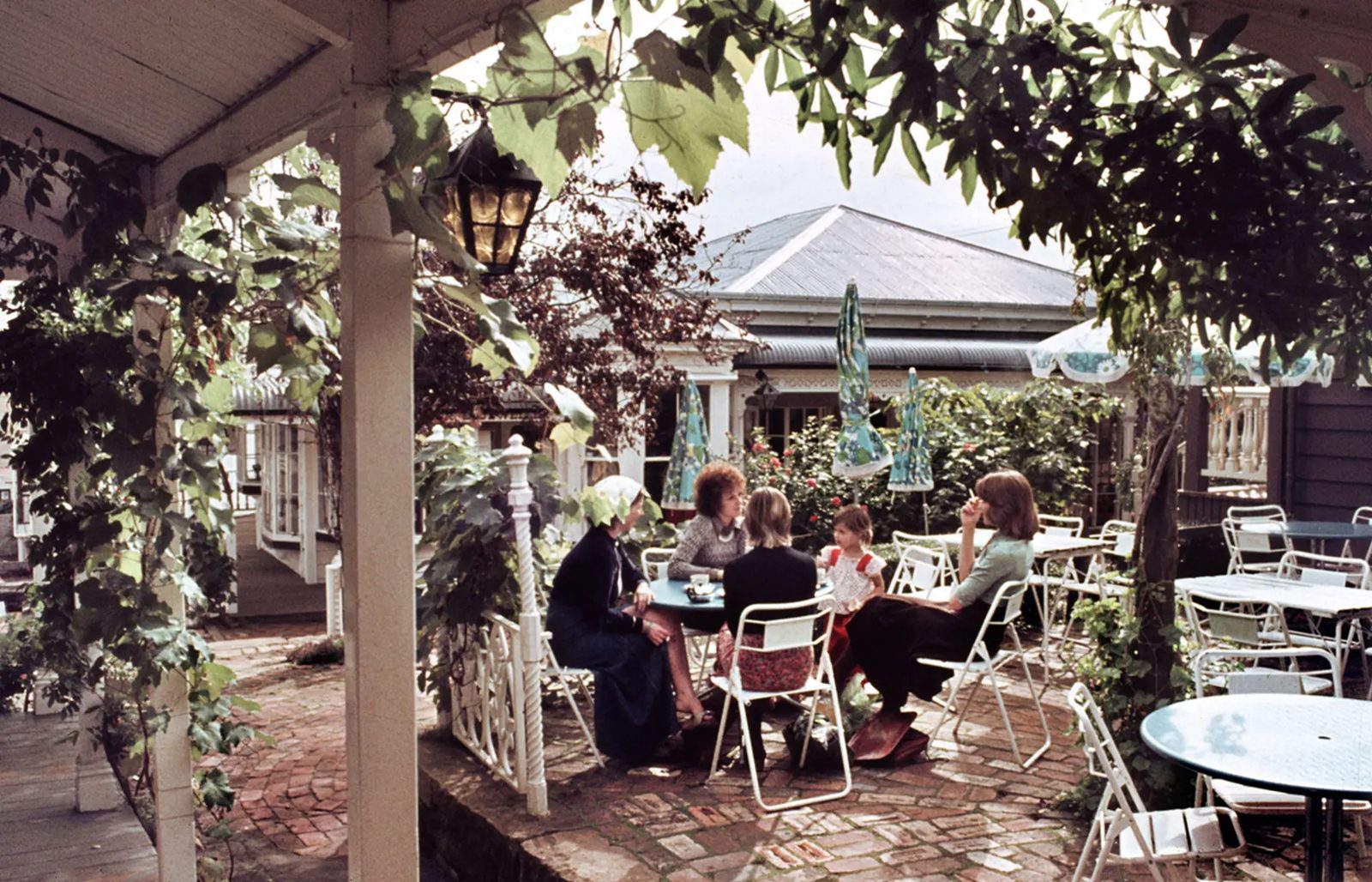
Matariki gives the broader calendar a cultural centre. OurAuckland lists citywide events under the festival umbrella, including exhibitions, workshops, planting, food waste sessions, kapa haka, arts and family activities. For Auckland, the public value is strongest when Matariki is not treated as one night or one central-city event. A distributed calendar lets different communities mark the Māori new year in ways that fit their libraries, marae, parks, galleries and neighbourhood spaces.
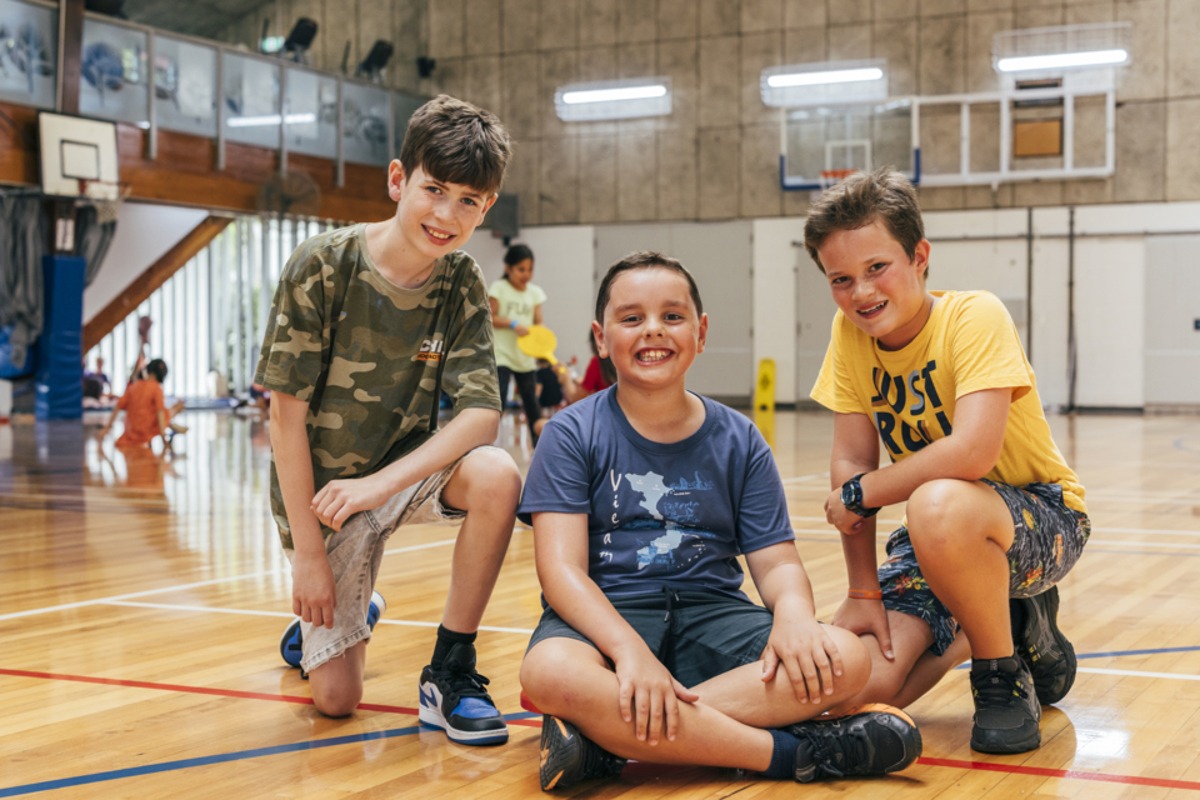
The holiday programme also shows why council facilities matter beyond ordinary opening hours. Pools and leisure centres are often judged by maintenance budgets or membership numbers, but during school holidays they become part of the city's family infrastructure. A good programme can give children safe physical activity, help parents manage workdays, and keep spending inside local centres.
There are practical checks for families before heading out. Times and booking requirements vary, some activities are age-specific, and the Matariki public holiday on Friday 10 July will affect normal opening patterns. Checking the event page before leaving is the simplest way to avoid arriving for a booked-out or shifted session. A useful school holiday plan does not need to be expensive. It needs to be close enough, clear enough and varied enough to get children out of the house.
The council listings also make the holiday period easier for families who do not live near the central city. East, west, north and south Auckland venues all carry parts of the calendar, which means parents can build a week around a nearby library, pool, community centre or festival activity rather than treating every outing as a cross-city trip. That local spread is one of the quiet strengths of Auckland's public events network. It turns a long winter break into a set of smaller neighbourhood choices.