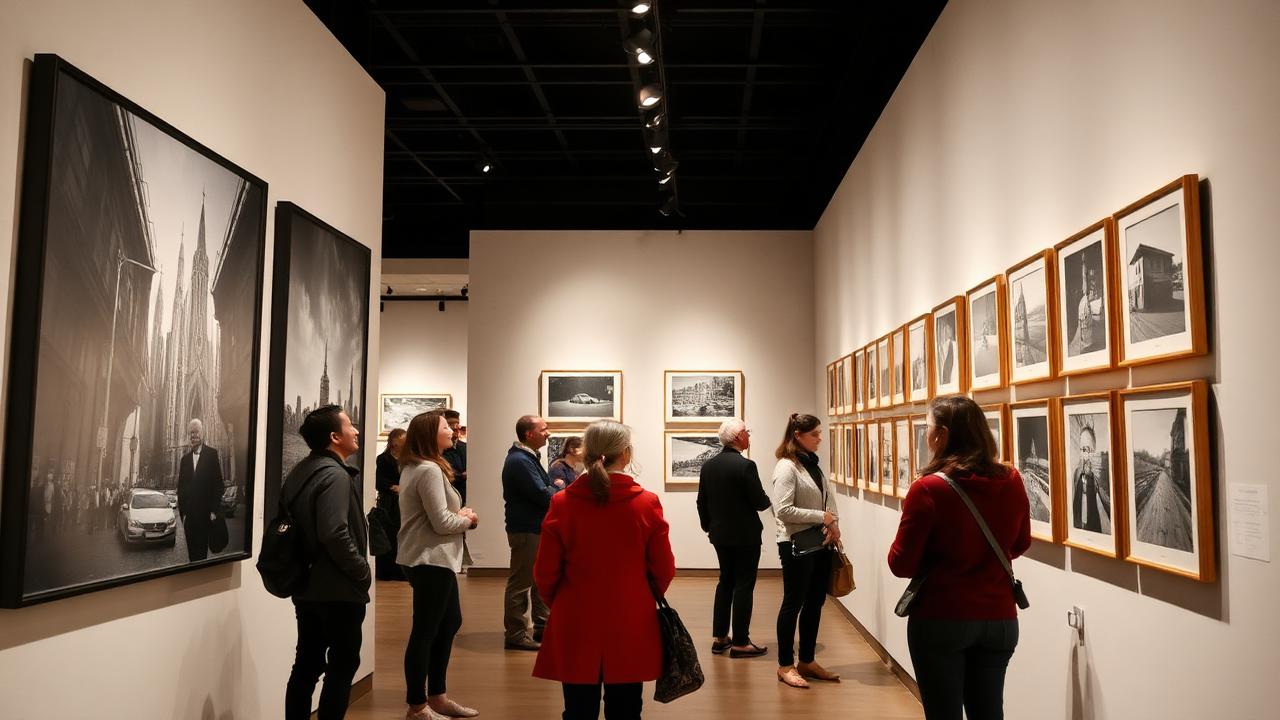
World Press Photo and Doc Edge have opened a combined exhibition in Auckland city centre, bringing global photojournalism and immersive documentary work into the Smith & Caughey building on Wellesley Street West. The OurAuckland listing says the exhibition runs from Thursday 25 June through Sunday 12 July, generally from 10am to 8pm, with paid tickets listed at $21 to $25.
The event is significant because it joins two formats that usually ask audiences to engage in different ways. World Press Photo is built around still images that document conflict, crisis, resilience, resistance and ordinary human dignity. Doc Edge Immersive uses virtual reality, interactive installation and sensory-driven non-fiction to put audiences closer to the story. Combining them creates a city-centre event that is both exhibition and experience.
OurAuckland says the 2026 World Press Photo edition presents work by 42 awarded photographers selected from more than 57,000 entries submitted by photographers across 141 countries. Those numbers give the Auckland exhibition its global scale. Visitors are not just looking at a local gallery programme; they are seeing a curated set of images from one of the world's most respected photojournalism platforms.
The local setting also matters. Smith & Caughey's former department store space is already a familiar civic landmark for many Aucklanders. Using it for a documentary and photography exhibition gives the building a new public life at a time when the city centre is still working through retail change, office patterns and evening activity. Events that draw people into midtown can support nearby hospitality and make the central city feel more active after work.
The exhibition's subject matter will not be lightweight. Photojournalism often asks viewers to sit with difficult material: war, displacement, disaster, inequality and political pressure, alongside moments of courage and recovery. That makes the event different from a casual winter outing. It is a cultural programme that asks for attention, and Auckland audiences should expect to leave with questions rather than just images on a phone.
The Doc Edge component broadens that challenge. Immersive documentary can be powerful because it changes the viewer's role from distant observer to participant. That can deepen empathy when used well, but it also requires careful curation so the technology serves the story rather than becoming the point of the story. Pairing it with World Press Photo gives audiences a chance to compare two kinds of documentary witness in the same visit.
For students, photographers, journalists, filmmakers and anyone interested in public storytelling, the exhibition is a timely Auckland resource. It offers examples of how visual evidence is gathered, framed, edited and presented. In an online environment crowded with AI imagery, recycled footage and context-free clips, seeing credited documentary work in a physical exhibition has extra value.
The event also gives Auckland a winter cultural anchor. It is indoors, central, open across multiple days and linked to international creative networks. For a city that often relies on major concerts or sport to animate the centre, a documentary exhibition of this scale adds a different kind of reason to come in: slower, more reflective and more connected to the wider world.