
Auckland's new annual budget has landed with two numbers residents will notice quickly: a 7.9 percent average residential rates rise and $3.6 billion of planned capital investment across the region. Auckland Council's latest Annual Plan 2026/27 update says the Governing Body has voted through the new plan for the year ahead, including community projects, operating services and infrastructure spending.
The council says the Annual Plan continues a focus on physical and financial resilience, with priorities across transport, water infrastructure and the ability of local boards to respond to their communities. Alongside the $3.6 billion capital programme, the council says it will invest $5.5 billion in essential services such as pools, libraries, animal management, public transport and waste collection. Those figures show the plan is not only about large projects; it is also about everyday services that people notice when they stop working.
Transport remains one of the clearest pressure points. The council highlights public transport improvements, walking and cycling work, street and footpath upgrades, unsealed road improvements and the City Rail Link launch as major parts of the year ahead. The CRL is described as a key investment for Auckland in 2026 and a major driver of the rates increase because the council must manage additional ownership and operating costs in its budget.
For households, the rates section is direct. The council says the overall 7.9 percent average residential rates increase was previously agreed in the Long-term Plan. It estimates that the average household's annual rates will rise by about $321, from $4055 in 2025/26 to $4378 in 2026/27, or about $6.16 more a week based on an average $1.28 million capital value residential property. The exact effect will vary by property value, classification, location and targeted rates.
The plan also puts water infrastructure near the centre of the year. Auckland Council says the Central Interceptor will continue toward bringing its second half into service, reducing wastewater overflows in central Auckland. It also points to a $500 million water and wastewater renewals programme, plus ongoing work on Wellsford's wastewater treatment plant upgrade and the Snells Beach/Warkworth wastewater programme. Those projects may not always be visible from the road, but they shape housing capacity, environmental outcomes and flood resilience.
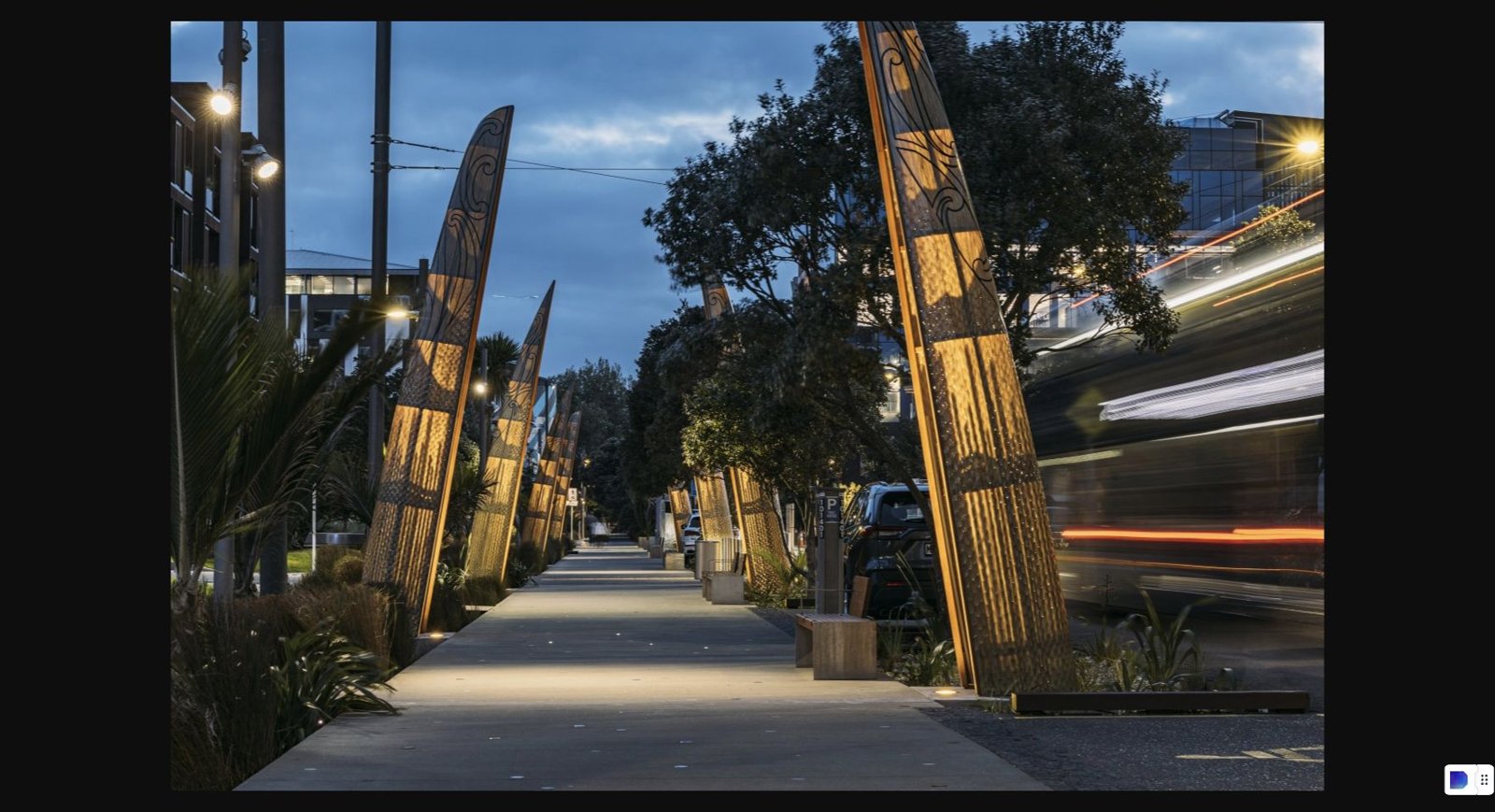
Urban development is another practical test. The council says work will continue in places including Drury, while priority locations such as Northcote, Henderson, Avondale and Manukau are reassessed. City centre regeneration is also expected to continue, including public spaces around CRL stations and further work on High Street and Te Toangaroa. This is where the Annual Plan connects to property and business confidence: investors, residents and retailers need to know which centres will get sustained attention and when disruption will end.
The risk is that Aucklanders hear only the rates rise and miss the service question behind it. A budget is a trade-off document. Residents are being asked to pay more, and the council is arguing that the increase funds transport readiness, water renewals, local facilities and core services. The fairest way to judge the plan over the next year will be by delivery: whether projects advance, whether local services remain dependable, whether the city centre works become usable improvements, and whether the CRL transition is handled clearly for passengers and businesses.