Auckland Council has approved about $79 million of regional investment for parks, cemeteries, public art, climate work and community assets, setting up a year of visible maintenance and renewal across the city.
The 2026/2027 Regional Community Capital Investment Programme was approved by the council's Community Committee in late June and published by OurAuckland on 3 July. It largely continues the direction set in the Long-term Plan, but the numbers show where the city intends to spend on everyday assets rather than only headline transport and water projects.
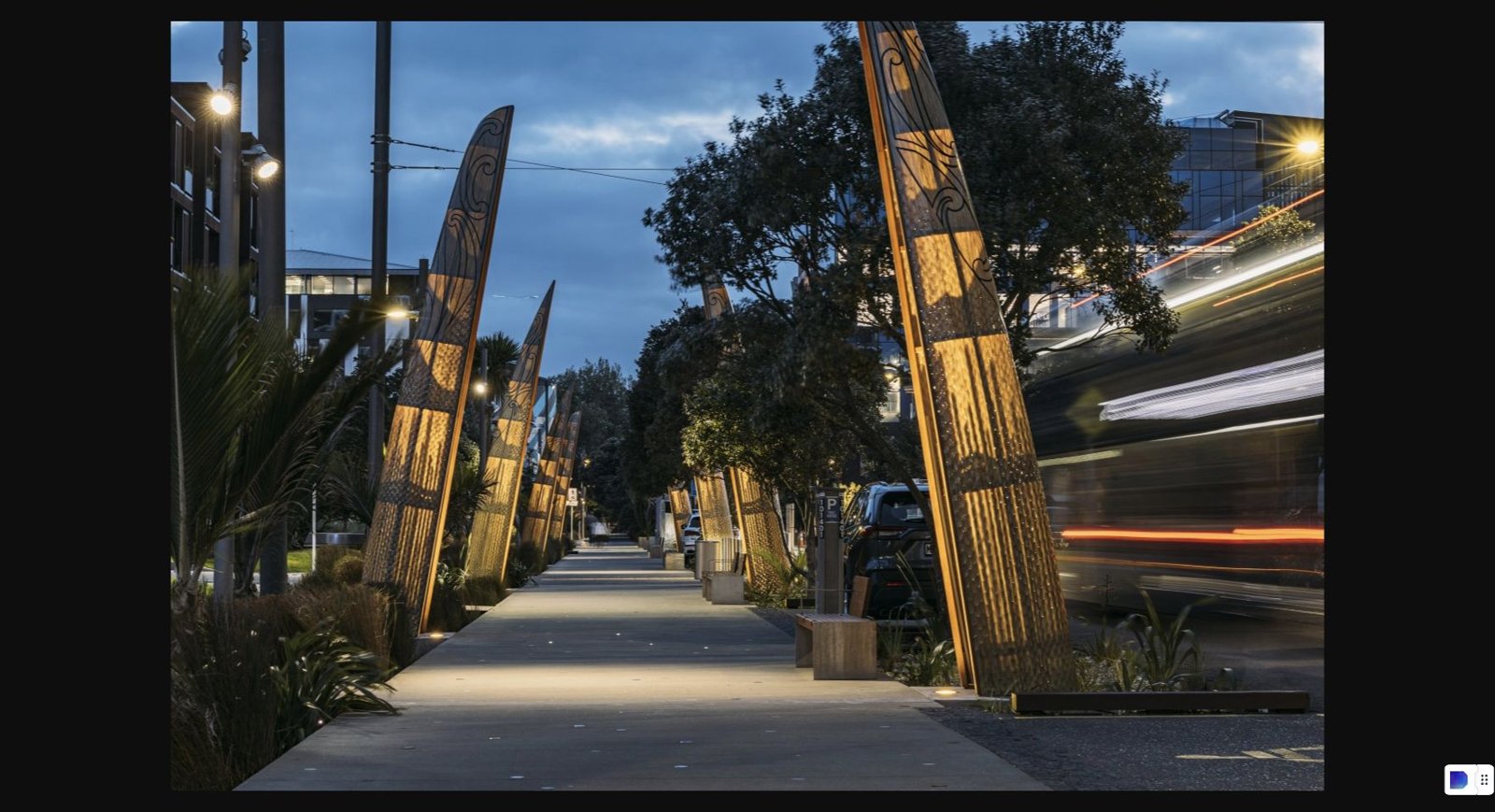
The biggest line is local parks and sports fields, at $29.3 million. Regional parks receive $14.9 million, climate initiatives $10.1 million, cemeteries $7.6 million, seismic strengthening $6.4 million, public art $3 million, commercial and residential leases $2 million, slips prevention and remediation $2 million, and a further $3.6 million goes to discrete projects.
This is practical civic spending. It is not as dramatic as a new rail tunnel or a motorway decision, but it is the kind of capital programme that shapes how families use their suburbs. Sports fields need renewals before winter use turns them into mud. Regional parks need tracks, toilets, parking, safer access and resilience work. Cemeteries need future capacity and dignified spaces. Public pools and leisure centres need energy upgrades if the council wants to reduce gas use and emissions over time.
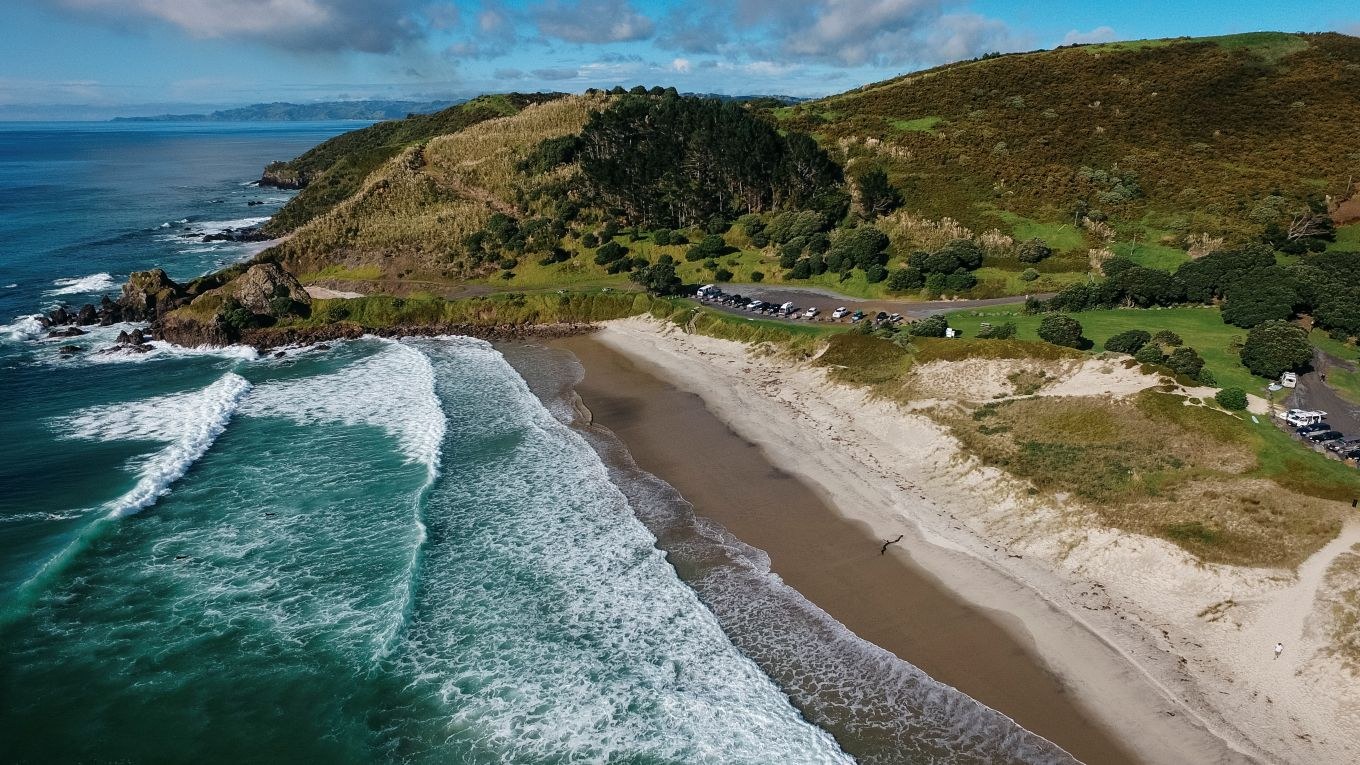
The Te Arai work is one of the more visible regional-park examples. Council says the programme includes developing land at Te Arai Regional Park, including a new car park, toilet facilities and core infrastructure. In the Waitakere Ranges, kauri forest track renewals remain important because public access now has to sit alongside kauri dieback protection and a more cautious approach to visitor movement.
The cemetery spend is also significant. A new cemetery at Kumeu and infrastructure work at North Shore Memorial Park point to a basic but often under-discussed planning issue: a growing region still needs burial and memorial capacity. These projects sit outside the normal political argument about roads and rates, but they matter deeply to families and communities.
Climate and slip work will be watched closely after recent severe-weather years. The programme includes mitigation around Parnell Baths and work at Orere Point. That tells Aucklanders the city is still paying for risk in public places where land movement, rockfall or coastal exposure can turn a popular asset into a safety problem.
The value-for-money test is clear. Ratepayers are already facing a 7.9 percent average residential rates increase this year, so capital projects need to be understandable, usable and maintained. A renewal that keeps a pool open, a sports field playable or a regional park accessible is easier to defend than vague spending whose benefit is hard to see.
The strongest part of this programme is its ordinary usefulness. Aucklanders may not notice a line item, but they do notice whether their park is open, whether a playground is safe, whether a cemetery can serve their community, whether public buildings still work, and whether popular places can handle weather risk. The $79 million programme is now the council's practical promise that those everyday assets will not be left to slide.