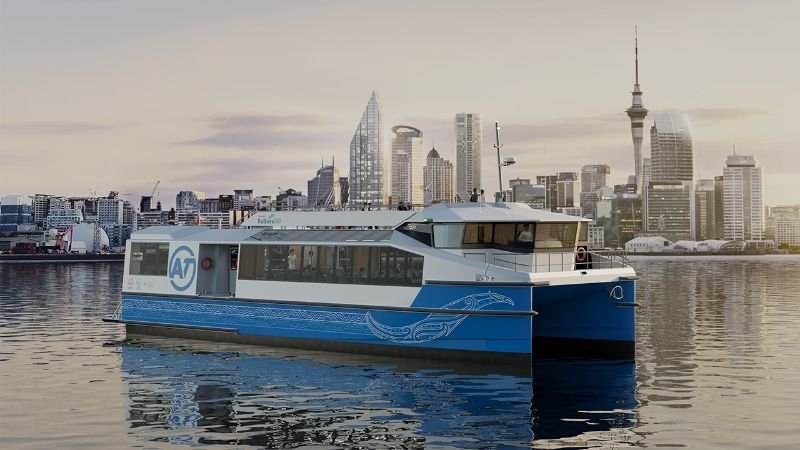
Auckland's ferry network is heading for a major operator change after Kelsian and Belaire Ferries won new Western Package ferry contracts expected to generate about NZ$101 million over an initial seven-year term.
Kelsian told the ASX on 2 July that its SeaLink Marine and Tourism division had made a joint bid with Belaire Ferries for Auckland Transport's Western Package. The contracts cover passenger ferry services and vessel maintenance, with operations scheduled to begin on 1 July 2027. The package includes services between downtown Auckland and locations on the harbour, including West Harbour and Rakino Island.
The deal is both a transport story and a business story. Kelsian is an Australian-listed multi-modal transport group. Its announcement says the Auckland contracts establish its first New Zealand contract, while a parallel agreement will see Kelsian acquire Auckland-based Belaire Ferries for NZ$8.9 million. That makes the change more than a normal service tender: it is a market entry by a larger operator through a local ferry company.
The founder/local-operator detail is important. Kelsian's ASX announcement says Belaire Ferries founder Adam Tallentire will assist with integration and transition to the new Western Package contracts. That suggests Auckland Transport and passengers will not be relying only on imported operational knowledge. The transition is meant to combine Kelsian's scale with Belaire's local harbour experience.
The initial fleet will include six vessels: four currently owned by Belaire Ferries and two existing Kelsian vessels relocated from Australia before service commencement. Kelsian says it will also procure five new ferries during the contract term, at an estimated total capital cost of NZ$38 million. The first new vessel is expected in mid-2028, with the rest following between 2029 and 2032.
For ferry passengers, the most practical question is whether the change improves reliability, capacity and comfort. Auckland ferry services are not decorative. They are part of the public transport network for people in harbour communities where buses and roads do not always provide a simple substitute. West Harbour and Rakino users will watch closely for timetable stability, vessel quality, staff continuity and how disruption is handled.
The timing also matters because Auckland Transport has been working through broader ferry network pressures, including vessel availability, emissions goals, ageing assets and operator arrangements. A seven-year contract, with a possible extension and new-vessel commitments, gives the network a longer runway than short-term patches.
There are still risks. The service does not start until July 2027, so Aucklanders will not see immediate operating changes. The acquisition is expected to complete in the first quarter of FY27, subject to usual conditions including change-of-control consents. New ferries also have long lead times, and passenger benefits depend on procurement, crew, maintenance and wharf readiness lining up.
The commercial terms protect Kelsian through revenue indexation mechanisms for key cost inputs such as diesel fuel. That may make the contract more sustainable for the operator, but Aucklanders will expect the same seriousness about service quality. Public transport contracts are not only about revenue certainty. They are about whether people can trust the network enough to build their lives around it.
The headline number is NZ$101 million. The local test will be simpler: when the new contracts begin, do the ferries run well, and do harbour communities get a better service?