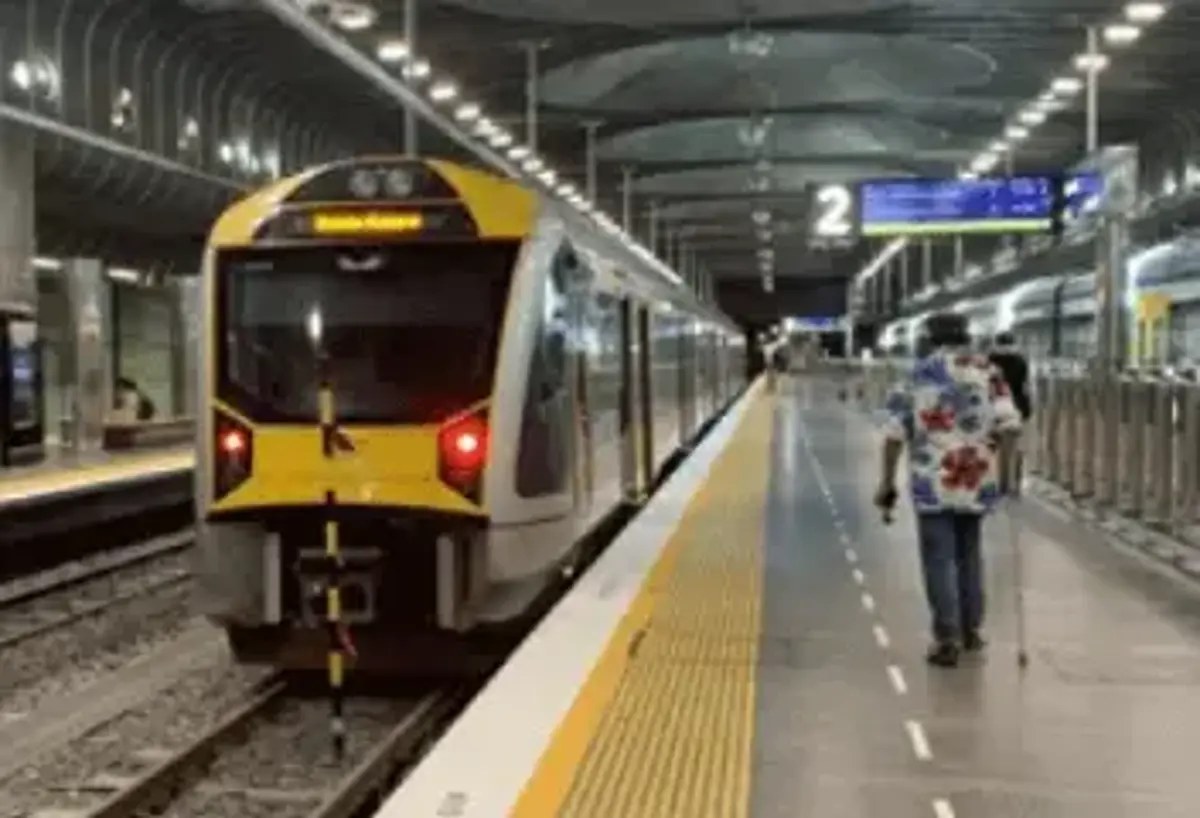
Auckland train passengers face another round of major disruption this week, with Auckland Transport's planned rail closure calendar showing full-line closures across the Southern, Eastern, Western and Onehunga lines from 9 to 12 July.
AT's rail closure page says the Southern Line has a full closure from 9 to 12 July, the Eastern Line has a full closure from 9 to 12 July, the Western Line has a full closure from 9 to 12 July, and the Onehunga Line also has a full closure from 9 to 12 July. The train line status page separately shows the Onehunga Line closed for overnight works from 9.30pm on Monday, 6 July, with rail replacement buses for cancelled trains.
The practical message is simple: anyone relying on trains later this week should check their route before travelling, allow extra time and expect replacement buses or changed connections. That is especially important for people commuting across town, getting to shifts, moving through Waitemata/Britomart connections, or planning school-holiday trips with children.
Planned closures are not the same as surprise failures. They usually mean maintenance, renewals, network upgrade work or preparation for future service changes. But from a passenger's point of view, the distinction only helps if the alternative travel plan is clear, visible and reliable.
Auckland has had years of rail disruption tied to major works, including network rebuilds and City Rail Link preparation. The public tolerance for closures depends on whether people can see progress and whether information is timely. A closure that appears in a calendar is easier to manage than a cancellation that appears when a passenger is already on the platform, but it still creates costs for workers, families and students.
The 9 to 12 July timing lands during the school holidays, which cuts both ways. Peak commuting patterns can be different, but families may be using trains for events, shopping, visits and airport or bus connections. Visitors who assume the train network is running normally may also get caught if they do not check AT's service pages.
For city-centre businesses, weekend and holiday closures can affect foot traffic. A restaurant, retailer or venue may not be directly responsible for public transport, but it still feels the effect when customers decide the trip is too complicated. That is why replacement buses need to be easy to understand, visible at stations and realistic about travel time.
The closures also point to a broader transport lesson. Auckland's public transport network is only as strong as the confidence people have in using it repeatedly. If rail users treat every week as uncertain, they may return to cars where they can. If closures are communicated clearly, connected to visible improvements and backed by workable replacement services, passengers are more likely to stay with the network through the disruption.
This week's advice is not dramatic, but it is important: do not assume normal train service from Thursday. Check AT's line status, look for replacement bus information, and plan the full trip before leaving home.
The long-term promise is a more reliable rail network. The short-term reality is another week where Aucklanders have to build extra time into the journey.