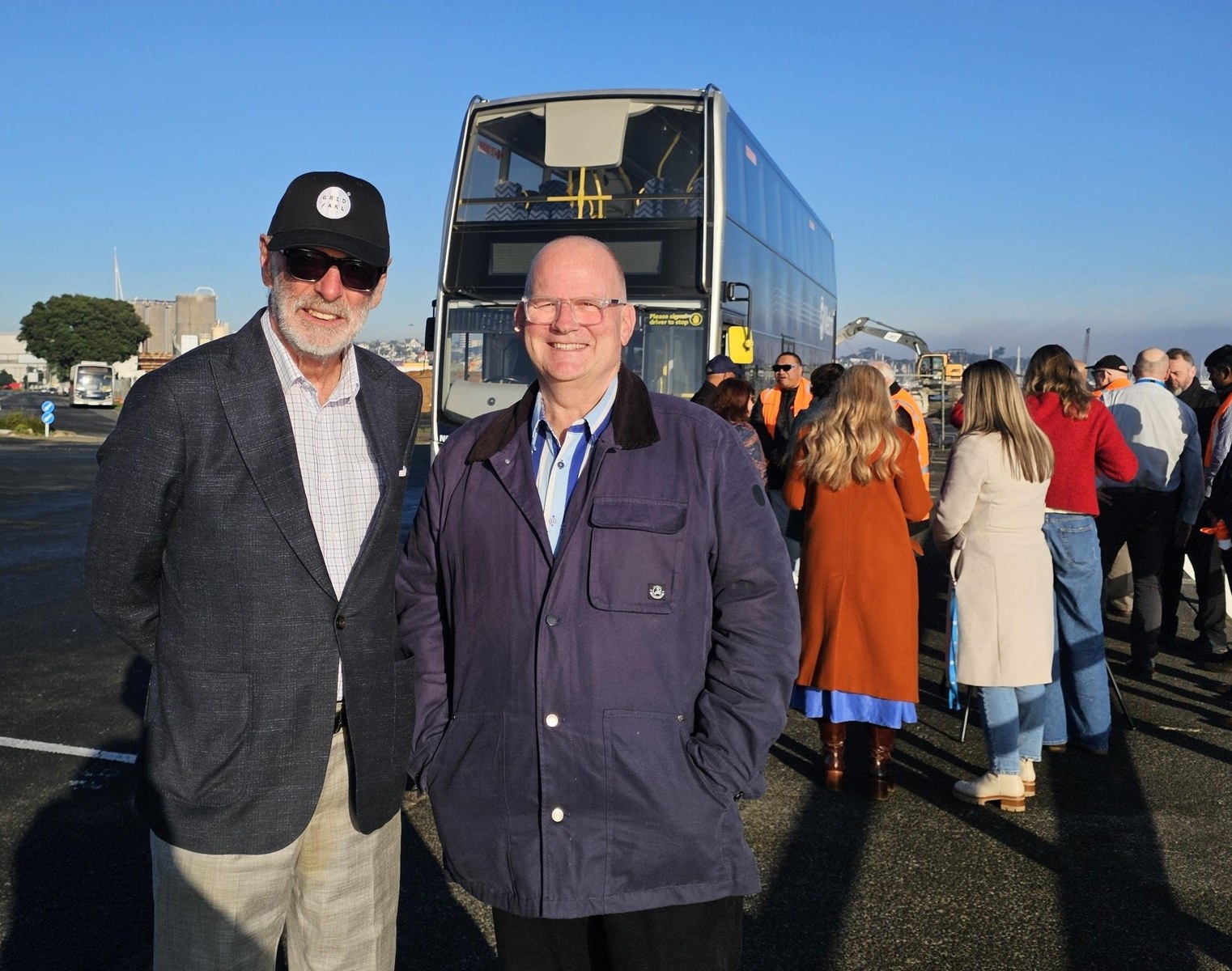
Auckland Transport has completed its bus driver safety screen rollout, with protective screens now retrofitted across 1,080 buses, or about 80 percent of the AT fleet.
The programme began in late 2024 and was marked as complete at an Auckland event on Friday morning. OurAuckland reported that the work was led by AT with funding support from Auckland Council and the Government. New contract requirements mean new buses entering the network will also have driver screens as a standard safety measure.
The timing is important. Bus safety has not been an abstract issue in Auckland. On the same day the completion milestone was published, 1News reported that police had arrested a man over an alleged nine-minute unprovoked assault on a North Shore bus in June. That separate case underlines why drivers, unions and passengers have been asking for practical safety improvements rather than only general reassurance.
The screen rollout is not a complete answer to anti-social behaviour. It cannot prevent every assault, threat, fare dispute, intoxicated passenger incident or confrontation. But it changes the physical environment for drivers, giving them separation from people standing beside the cab while they are responsible for a heavy vehicle, passengers and traffic conditions.
That matters because Auckland's bus network depends on people being willing to do a difficult public-facing job. Drivers handle shifting road conditions, time pressure, crowding, fare questions, school peaks, night services and customers who may be angry before they even board. A safety screen is not only about a worst-case assault. It also reduces the day-to-day stress of knowing that a volatile situation can move directly into the driver's workspace.
Auckland Council's published account says the retrofit was delivered on time and under budget, after the mayor committed $3.2 million toward the work. AT has also linked the screens to a wider safety package that includes live CCTV onboard buses, enhanced Crime Stoppers reporting by text, Share My Journey through the AT Mobile app, bus safety ambassadors and other network measures.
For passengers, the practical effect should be a more stable service. Driver shortages, sick leave, stress and retention problems can all affect timetables. If safety measures make the job more sustainable, they help protect service reliability as well as worker wellbeing.
There is also a design lesson here. Public transport safety is often debated after something goes wrong. The better approach is to build safer assumptions into the network before incidents escalate. Screens on all new buses make that a normal specification rather than a temporary campaign.
The next test is evidence. AT and the council say early indications point to a stabilising trend, with assaults toward drivers dropping and the screens contributing to that shift. Aucklanders should expect continued reporting on incidents, driver feedback, passenger behaviour and whether the wider safety package is working outside the media moments.
For now, the milestone is straightforward: more than a thousand Auckland buses have been changed in a way drivers can feel each shift. It is a practical improvement in a network that cannot operate without the people behind the wheel.