Auckland Council is using smart cameras, satellite imagery and machine learning to identify sediment risks earlier, as the city tries to reduce one of the most persistent pollution pressures on its streams, estuaries and harbours.
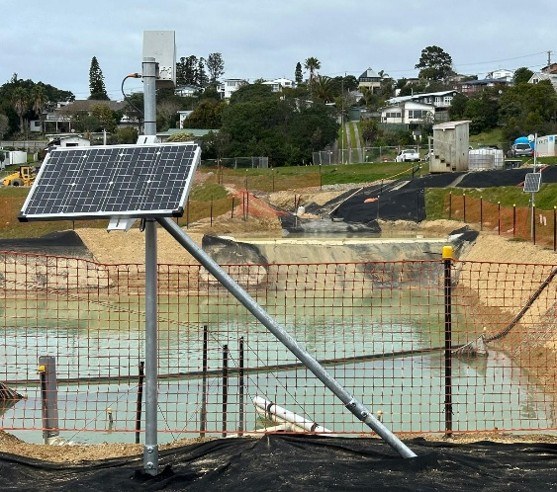
OurAuckland reported on 3 July that the programme uses tools including EnviroEyes smart cameras on construction sites and satellite technology to detect exposed soil across Auckland. The aim is to help compliance staff spot problems before sediment reaches waterways.
Sediment is a simple word for a serious environmental problem. Soil washed from construction, earthworks, erosion and poorly managed land can cloud waterways, smother habitat, affect marine life and damage the health of harbours and beaches. Auckland's growth makes the issue harder because building activity, road works, subdivisions and infrastructure projects can all expose soil at the same time that heavy rain is becoming a more visible city risk.
The new technology matters because compliance work is usually constrained by scale. Auckland has too many sites and too much weather variation for inspectors to see every risk at exactly the right moment. Cameras and satellite checks do not replace human judgement, but they can help staff decide where to look first, which alerts require attention and where a small fix might prevent a larger discharge.
Council senior analyst Dr Jacquie Reed said in the council account that real-time monitoring is helping identify where sediment is coming from, allowing staff to guide on-site activity before pollution events become worse. The programme is also intended to support proactive compliance teams rather than relying only on complaints or after-the-fact inspections.
The construction sector should treat this as a signal. Auckland Council says officers carried out more than 1,400 construction site inspections a month on average between July 2025 and June 2026, and that compliance rates have improved significantly since 2019. The technology does not remove the need for good site practice. It makes poor practice more visible and gives council a stronger basis for education, warnings and enforcement.
The public value is clear. Beaches, streams and harbours are part of Auckland's identity and economy, not just scenery. If smarter monitoring helps keep sediment out of them, the technology will have done something practical: turned data into cleaner water.