Old Papatoetoe's renewal is a reminder that Auckland housing growth is judged as much by footpaths, play spaces, transport links and local pride as by the number of homes delivered. Auckland Council's latest profile of the regenerated neighbourhood highlights a South Auckland project where new terraced homes sit beside public paths, play areas, cycle connections, local art, rail access and everyday town-centre services.
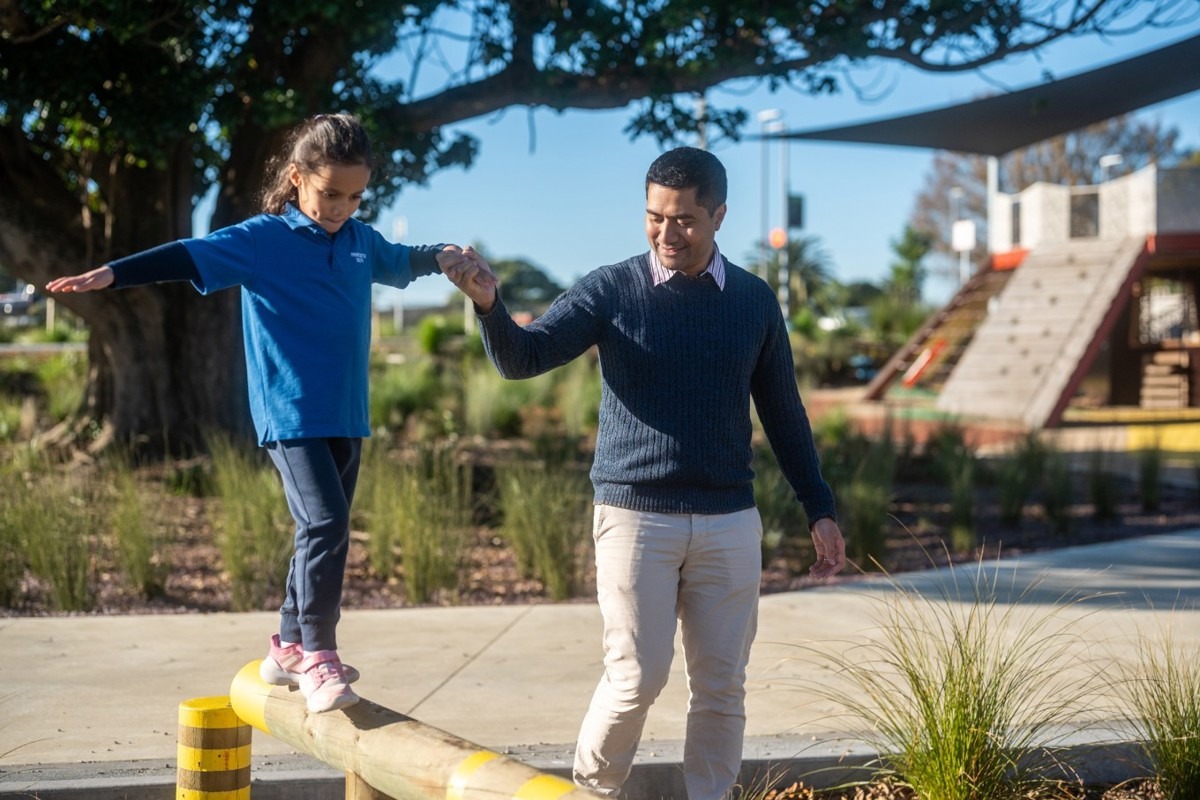
The development story is not simply that new homes have been built. OurAuckland describes a neighbourhood where children can use a learning-to-ride space, swings, a slide, mini trampolines, a half basketball court and well-lit walkways. A public pathway includes playful pūkeko footprints, and a mural by Charles and Janine Williams links the renewal to local birdlife, ecology and heritage. Those details matter because residents experience urban regeneration at ground level.
Old Papatoetoe also has a transport advantage many Auckland growth areas would like. The neighbourhood sits near Puhinui and Papatoetoe stations, with rail links toward the city centre, buses to the airport, motorway access and wider rail options west, east and south. That means housing can be discussed alongside actual daily mobility. A new townhouse is more useful when work, school, shops and services are not locked behind a car-only routine.
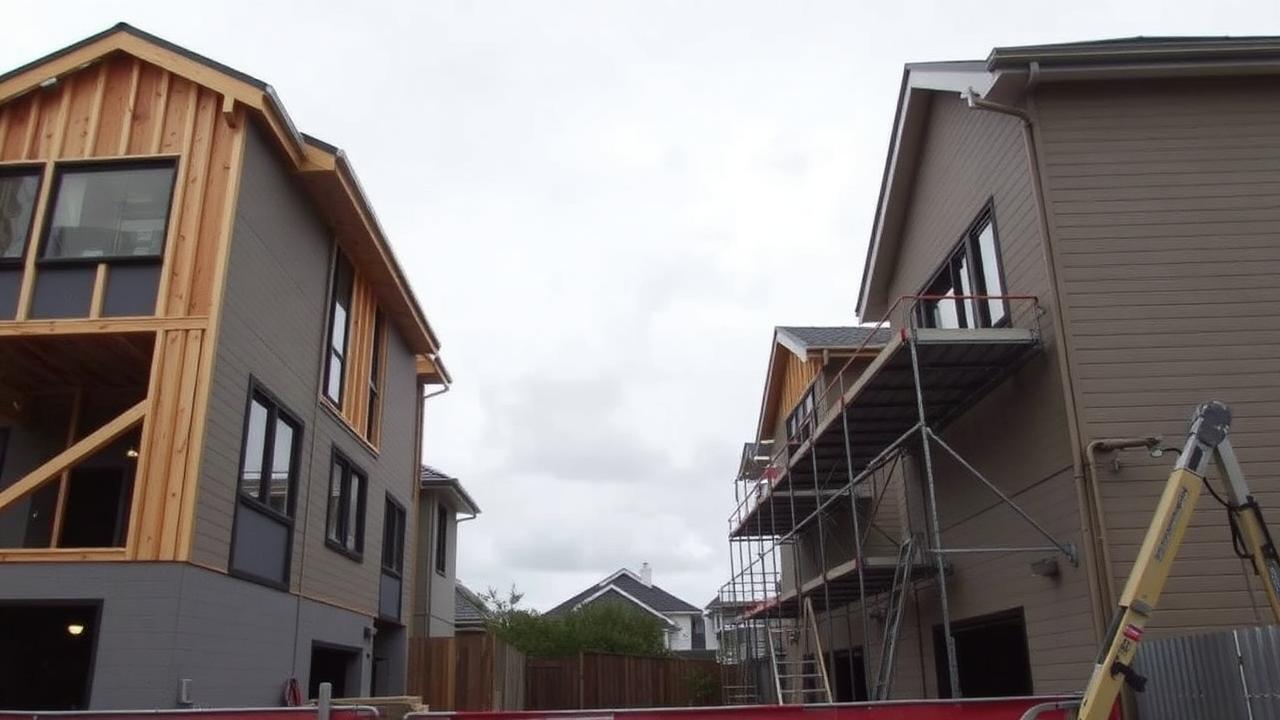
Council says the renewal was led by the Auckland Urban Development Office, whose programme set out to invest in infrastructure and public spaces in a way that would encourage private development. Whare Tupu, a partnership between Te Ākitai Waiohua and Avant Group, is building two- and three-bedroom terraced homes. The former council-owned Cambridge Terrace car park now hosts 29 new homes developed by the New Zealand Housing Foundation. Both projects are positioned around helping families into home ownership.
That mix is important. Auckland's housing debate often gets stuck between density targets and neighbourhood resistance. Old Papatoetoe shows why the argument should be more specific. Density is easier to accept when it arrives with safe paths, useful public spaces, local identity, services, and transport connections. It is harder to accept when homes arrive before the neighbourhood fabric that makes them livable.
The resident experience in the council profile gives the project a human test. So'o and Billie Fagamalo moved back to Auckland after seven years in Christchurch and bought a townhouse in Old Papatoetoe. Their daily routine includes rail commuting, nearby work, school walks and local play. That is the kind of practical evidence urban planners need. The point of regeneration is not an attractive render. It is whether families can build ordinary routines around the place.
There are still questions worth asking. Auckland needs more homes, but it also needs affordability, long-term maintenance, safe streets and public places that remain cared for after the launch photos are taken. A regenerated town centre can lose momentum if retail vacancies grow, public spaces are not maintained, or transport reliability slips. For now, Old Papatoetoe gives Auckland a useful case study: build homes, but also build the paths, parks, local identity and daily connections that make residents want to stay.