Auckland's residential construction sector may need to lift capacity by about 20 percent over the next two years if it is to keep up with the number of new homes being consented in the region.
Interest.co.nz reported on 6 July that Auckland's building industry has recently been keeping consents and completions broadly in balance, after a gap persisted from around March 2022 until July 2025. The article says that gap created an overhang of consented homes that had not been completed, though it is not possible to know from the data whether projects were cancelled, delayed or reconfigured.
The new pressure comes from rising consents. Interest.co.nz cites Statistics NZ data showing 16,862 new dwellings consented in Auckland in the 12 months to May 2026. It compares that with Auckland Council issuing 14,010 code compliance certificates for new dwellings over the 12 months from May 2025 to April 2026. On those numbers, completions would need to rise materially if the industry is to deliver the homes now in the pipeline.
For buyers and renters, this sounds technical but it matters. Consents are permission to build, not finished houses. A city can announce thousands of new dwellings on paper and still fail to relieve housing pressure if builders, subcontractors, finance, materials, inspections and sales demand do not line up. Completion data is the closer measure of what actually becomes available for people to live in.
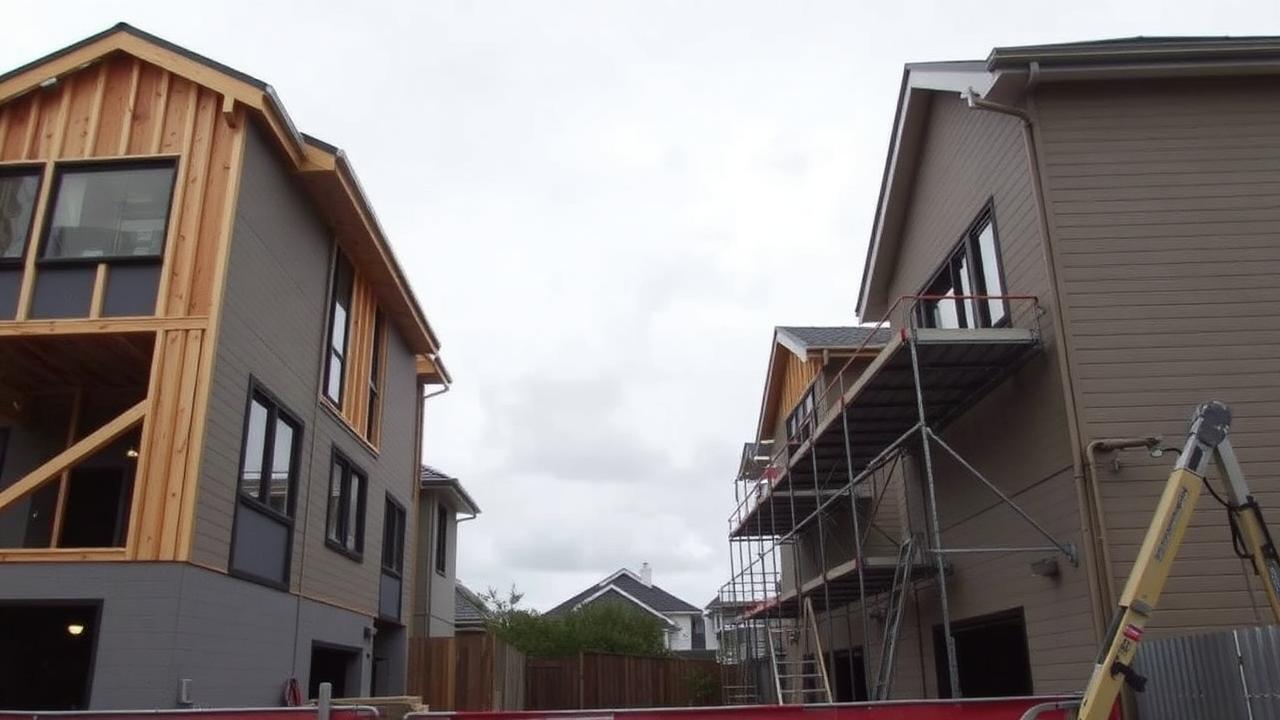
Auckland has lived through both sides of this cycle. During stronger building periods, cranes, scaffolding and townhouse developments made new supply visible across the region. During weaker periods, developers delayed work, buyers hesitated, costs rose and completed homes did not always match the earlier consent story. The latest data suggests the city may again be entering a phase where permission is running ahead of delivery capacity.
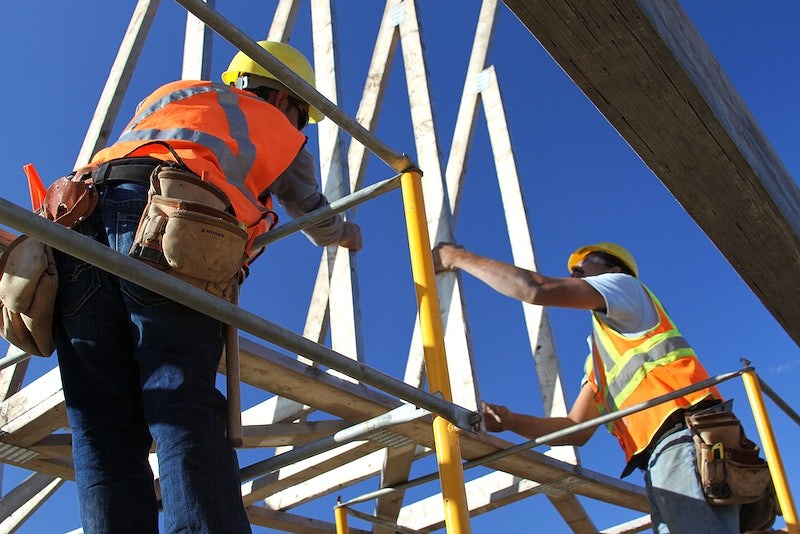
The risk is not only a shortage of tradespeople. Construction capacity includes project managers, civil works, infrastructure connections, inspections, developers' balance sheets, bank appetite, buyer demand and the ability of council systems to process work efficiently. If one part slows, the whole pipeline can stretch.
There is also a pricing question. More consents should help supply over time, but if delivery is constrained, pressure can remain in specific suburbs or housing types. The effect is not uniform. Apartments, townhouses, standalone homes and social housing each face different economics. Some projects may be viable only if sales prices, interest rates and construction costs sit in the right range.
For Auckland Council and central government, the data is a useful warning. Housing policy cannot stop at zoning and consenting. It has to ask whether the construction system can actually complete the homes, whether infrastructure is ready, and whether delays are being caused by finance, labour, inspections or market conditions.
For the industry, the opportunity is clear but demanding. If builders can lift capacity without repeating the quality and insolvency problems that sometimes follow boom periods, Auckland can convert a larger pipeline into real homes. If capacity does not rise, the old gap between consented and completed dwellings may reappear.
The headline is therefore cautious rather than celebratory. Auckland has more homes in the planning pipeline. The harder part is building them.