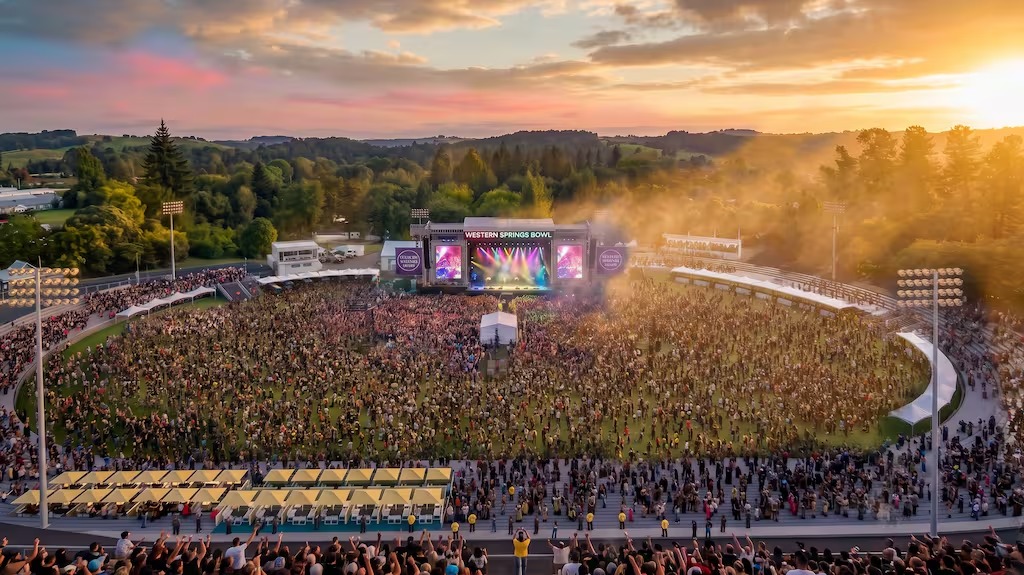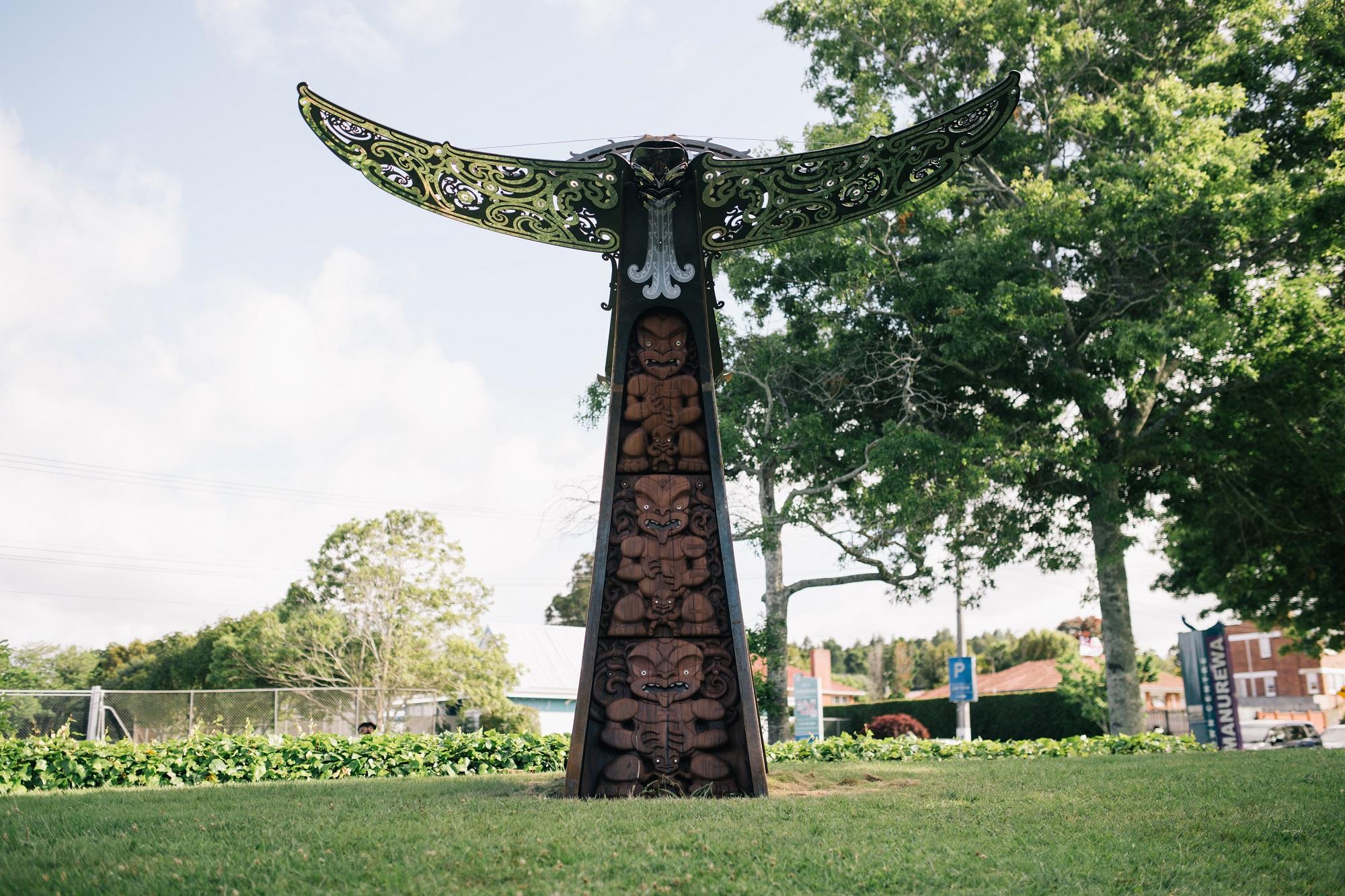
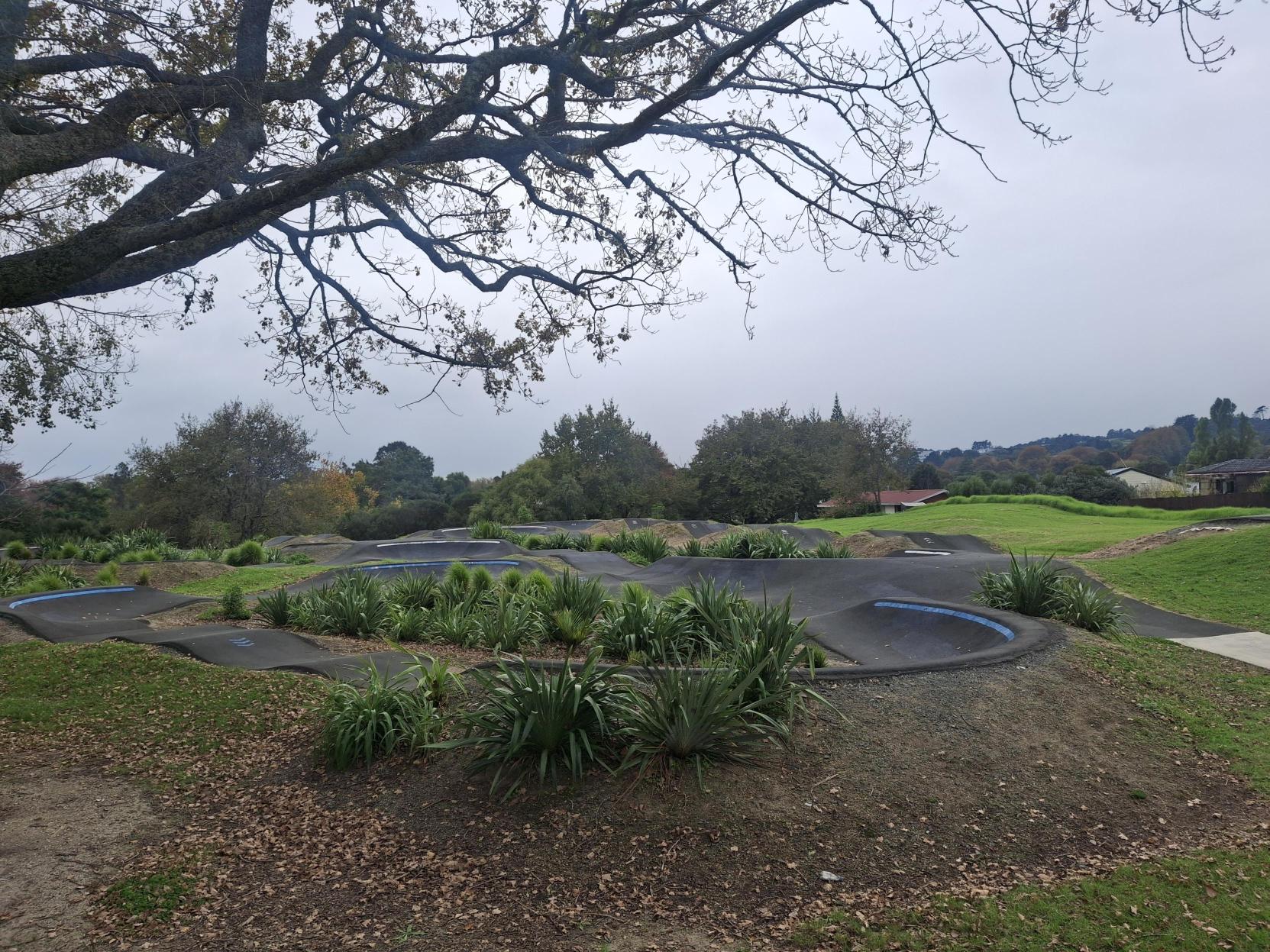
Papakura has adopted 25 new park names, adding a new layer of local identity to reserves across the area. Auckland Council's OurAuckland update says the names were shared by Ngaati Te Ata Waiohua, Ngati Tamaoho, Te Aakitai Waiohua and Ngai Tai ki Tamaki, and were presented to the Papakura Local Board at a hui earlier this year. The board has now adopted the kete of names as part of the area's public-place story.
The change is not simply a signage exercise. Local park names shape how residents understand the places they walk through, play in, train on and pass every week. A reserve can be treated as an anonymous green space, or it can carry a name that points to geography, history and community memory. Papakura Local Board chair Kelvin Hieatt said the names enrich the historic value of public open spaces and give residents an opportunity to learn about local history and values.
The council says the new names are intended to help Aucklanders connect with the stories, history and identity of place, strengthen council's relationship with mana whenua, and honour its commitments under Te Tiriti o Waitangi. In practical terms, most existing names will sit alongside the new names as dual titles. The exceptions are Hingaia Esplanade Reserve, which has adopted the sole name Te Waongaro, and Hingaia Reserve, which will become Waipaatiki Reserve. Hingaia Park, nearby, will keep its current name.
Te Kirikiri / Keri Downs Park is the clearest example in the council update. The park, also known as Redcrest Link Reserve, is a large and well-used facility. The name Te Kirikiri is described by the council as a significant ancestral name referencing an ancient pa site in the area, and it was agreed to by all four iwi. New entrance signage is expected later in 2026, with a QR code giving visitors access to the story behind the name.
The timing of physical change will be gradual. Council says signage will generally be replaced as signs come due for renewal, to minimise environmental impacts and costs. That means locals may not see every new name on the ground immediately. The slow rollout is sensible: replacing signs only for the sake of instant visibility can create unnecessary expense, while a planned renewal approach still lets the naming decision stand.
For residents, the new names may prompt curiosity before they prompt familiarity. People who use a park every week may need time to learn a dual name and its meaning. That adjustment is part of the point. Public names are one of the simplest ways a city teaches its own geography. When the name carries a local narrative, the park becomes more than a location pin.
The adoption also shows how local boards can make decisions that feel small on a regional scale but meaningful inside a neighbourhood. Auckland often debates large infrastructure, housing rules and transport systems. Park naming is quieter, but it reaches daily life in a direct way. Children will see the names on signs, sports teams will use them in directions, and residents will repeat them in ordinary conversation.
The next measure will be how clearly the stories are shared. A name on a sign is only the beginning. If the QR code, council pages and local communications explain the narratives well, Papakura residents will have a stronger connection to the places they already use. The decision gives 25 parks a new public layer; the work now is making sure those names are understood rather than treated as labels alone.