This is a story about what Stuff chose not to tell its readers.
In its latest coverage of Candoo, Stuff reported on a former franchisee who says he paid money into a Candoo franchise arrangement and was left chasing a refund. Candoo disputes aspects of that account, but the dispute itself existed.
What also deserved scrutiny was the material Candoo says Stuff already had before publication.
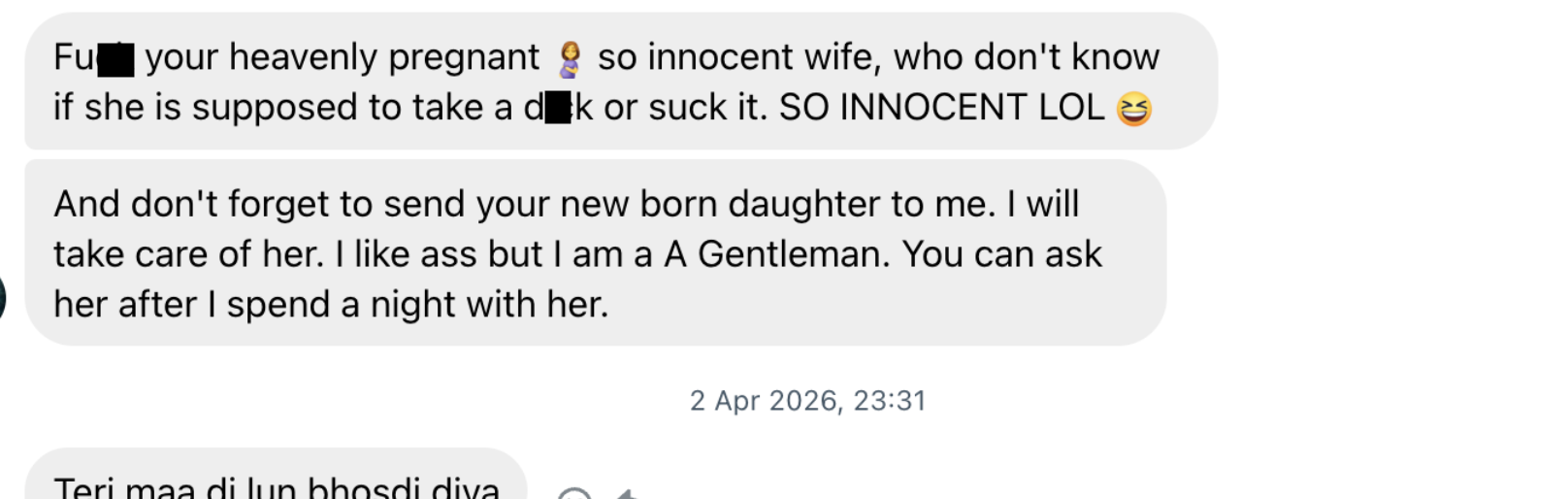
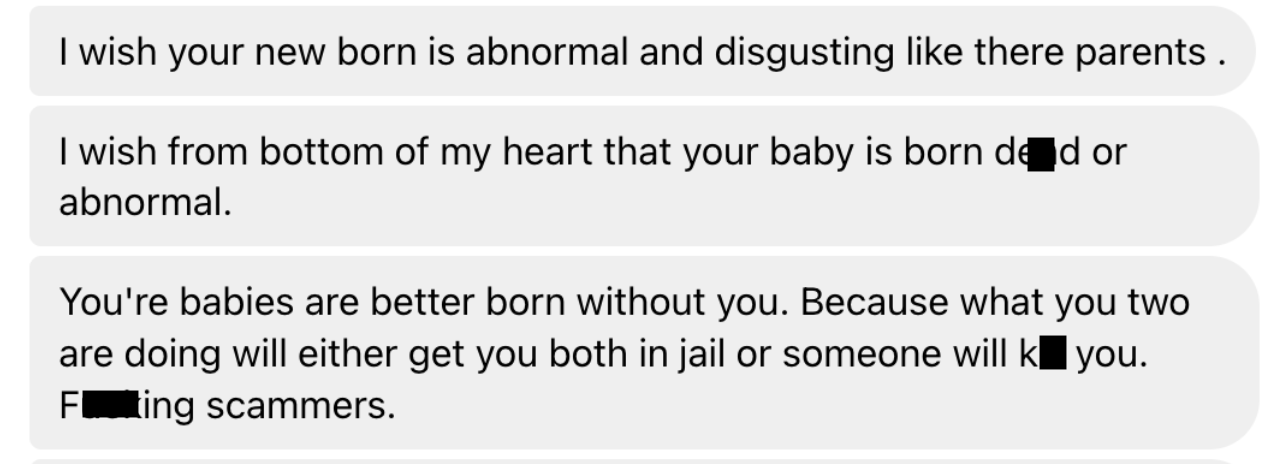
Before Stuff published, Candoo says it gave journalist Jake Kenny an evidence bundle that changed the context of the story. That material included messages from this franchisee wishing death or disability on James McGovern and Allias Grindrod's baby, threats about locating their family, and grotesquely sexualised commentary about their newborn child.
Candoo says Jake Kenny acknowledged receiving that material.
His response was: “Thank you, received.”
Stuff then published without telling readers that this material existed.
That omission matters.
It matters because Stuff's article made sure readers knew James McGovern was angry. It made sure readers knew he did not want to pay. It made sure readers saw his response as aggressive.
But readers were not told why he was so angry.
They were not told Candoo had supplied material that it says showed threats, death wishes and sexualised abuse directed at a baby. They were not told that Candoo's director believed they were dealing not merely with a payment dispute, but with conduct they regarded as vile, frightening and morally indefensible.
Stuff did not have to accept Candoo's position.
It did have to give readers enough context to understand it.
The material Stuff had
Candoo says the evidence bundle included messages wishing that James and Allias' baby would be born dead or disabled, warning that somebody might kill the baby's parents, referring to learning their movements and finding them, and making a grotesquely sexualised comment about their newborn child.
The material is disturbing. It should not be reproduced lightly.
But the public should understand the point. Below we have included just a fraction of what this franchisee sent to Candoo, James, and Allias. The screenshots are redacted and published only to the extent necessary for readers to understand the seriousness of what Candoo says Stuff received.
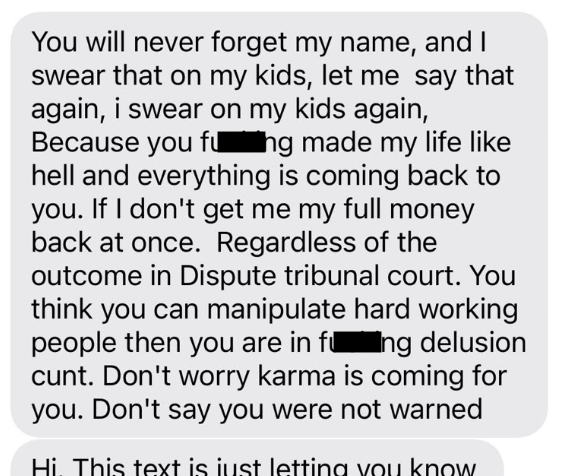
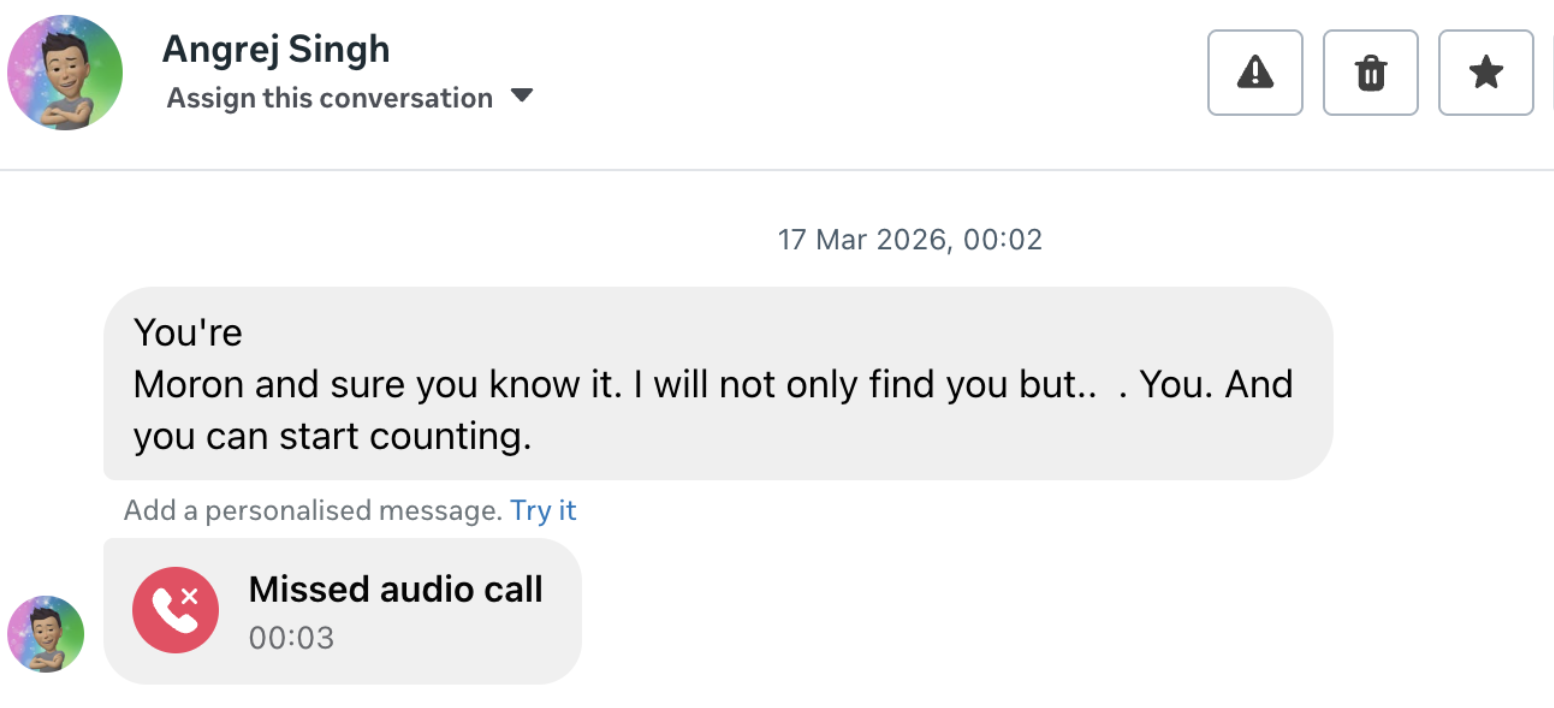
Stuff had the material.
Jake Kenny acknowledged receiving the bundle.
Stuff then published a story that left readers without that context.
James McGovern says: “This person is a monster and there is no way we are paying him a cent. I stand by my comment in the article Jake and Stuff published. This group of individuals don't deserve a single cent.”
That is an angry quote.
But Stuff's reporting presented the anger without, Candoo says, fairly explaining what sat behind it.
James also says: “Jake and Stuff have been on this campaign for over twelve months now. They have repeatedly misinformed the public and left out evidence we have supplied them. They have failed to report outcomes where they accused us of wrongdoing and we later won or the case was dismissed. If it doesn't fit their narrative, they don't publish it.”
“The video he has written about in his latest article details just some of the story that Jake has been sent evidence of but has chosen not to publish.”
Candoo says Stuff was supplied with evidence, acknowledged receipt, and still published a version of events that stripped away any context that didn't fit their narrative.
The question Jake Kenny and Stuff should answer
This is not about claiming Jake Kenny wrote the abusive messages. He did not.
It is not about claiming he personally agrees with them.
It is about editorial choice.
Why did Stuff publish James McGovern's anger, but not the material Candoo says explained that anger?
Why did Stuff report the payment dispute, but not the threats and abuse Candoo says formed part of the wider context?
Why was James' travel relevant, but threats to locate his family were not?
Why were his old businesses relevant, but a sexualised statement about his newborn baby was not?
Why were allegations and complaints relevant, but the conduct occurring around those complaints was excluded?
Once Stuff chose to construct a broader narrative about James McGovern's character, credibility, business history and personal conduct, it could not fairly pretend that the conduct of people on the other side of the dispute was irrelevant.
A dispute over money does not make every other fact disappear.
“They told readers I was angry. They didn't tell them why.”
James says: “Jake and Stuff don't give readers the full story. They want to tell people that I don't want to pay, but they don't say why. Would you give someone a single dollar if they had said the vile things this person said about your baby? Would you pay someone if they are making up stories and blackmailing you? That is what we are dealing with here.”
He says the latest article crossed a line.
“I could cop the one-sided reporting up until now. But leaving these messages out, while still using my anger at the situation against me, is disgraceful. Readers were invited to judge my reaction without being shown what I was reacting to.”
Candoo also says the article failed to explain the role of other people it considers central to the wider dispute, including Allan Halse and Ravi Bhojwani.
James alleges Allan Halse and Ravi Bhojwani were key antagonists in the wider campaign against Candoo, and says evidence of their involvement has repeatedly been supplied to Stuff.
That material is addressed in another article separately : https://nzcurrent.com/article/advocating-or-exploiting-the-system and https://www.youtube.com/watch?v=t0OqntXlLjI.
The point here is narrower.
Stuff had the messages.
Stuff chose not to tell readers.
The picture readers were not given
People inside Candoo say the public picture created by Stuff is not the business they know.
Jewel Ediman, a franchisee, says: “I have seen James and Allias work late into the night, put their own resources into solving problems and continue supporting franchisees when walking away would have been easier. That is not the picture readers have been given.”
Apsara Widjet, a long-term employee, says: “James and Allias have been incredible bosses. They work so hard and they care about us and our franchisees. What you read in Stuff is just not what we experience in the business.”
That does not mean every complaint is false.
It means Stuff's readers were entitled to a fuller picture.
Candoo says other New Zealand media coverage has presented a very different view of the company, including positive stories about its growth, franchisees and community impact. Those articles sit in sharp contrast to what Candoo says has become a sustained negative narrative from one journalist and one publisher.
And when we did a search of articles relating to Candoo, the only negative articles were written by Jake Kenny and published by Stuff. It does seem to be a major juxtaposition that one media company can have such a one-sided approach when other media are presenting a very different account.
This is about editorial responsibility
Stuff has enormous power in New Zealand. Its articles dominate search results and can shape what customers, prospective franchisees, employees and commercial partners believe before they ever speak to the business being reported on.
That power carries responsibility.
It is not enough to publish allegations and then reduce the response to anger, denial or bluster.
If a publisher has material that explains why a person is angry, readers should be told about it.
If a journalist receives evidence that complicates the moral framing of a story, readers should not be shielded from that evidence simply because it is inconvenient.
Candoo and James McGovern say they have written to Jake Kenny and Stuff's editors. They say they are considering legal action and have contacted police about the harassment and abuse.
Those processes should run their course.
But one fact is already clear.
Stuff had the messages.
Jake Kenny acknowledged receiving the bundle.
Readers were not told.
And readers deserved to know.