
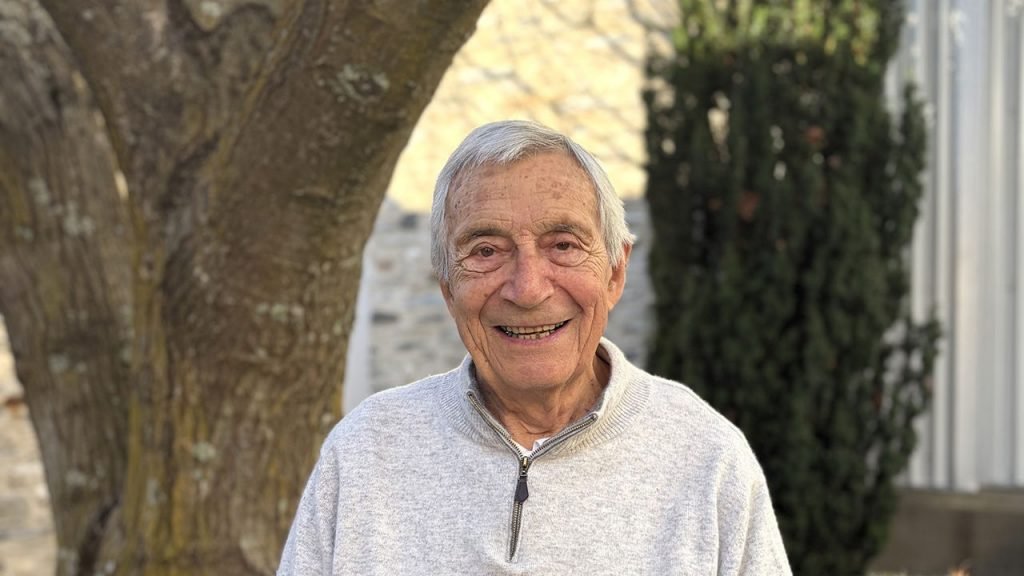
The University of Auckland's tribute to Emeritus Professor Colin David Mantell is more than an obituary. It is a reminder that health workforce pathways are built by people willing to change the institution, not only by individual students trying to push through it.
Mantell, who died on 3 October, was a distinguished obstetrician, researcher and academic leader. The University says he devoted more than six decades to medicine and academia, with internationally recognised work in foetal physiology, neonatal medicine, obstetrics and gynaecology. He was made an Officer of the New Zealand Order of Merit in the 2026 King's Birthday Honours.
His Auckland legacy is especially tied to Māori and Pacific health education. Mantell was the founding chair of the Māori and Pacific Admission Scheme, known as MAPAS, and later became the University's inaugural Professor of Māori and Pacific Health. He described the establishment of MAPAS as a brave step by the University, and his work helped create the foundations for later Māori and Pacific health leadership at Waipapa Taumata Rau.
That matters because admission schemes are often discussed as administrative mechanisms. Mantell's career shows they can be much more than that. They can be a statement about who belongs in medicine, how students are supported, and whether institutions are prepared to change when existing pathways reproduce exclusion.
The University's tribute also connects Mantell to Vision 20:20, an initiative developed in the late 1990s to increase Māori and Pacific representation among Aotearoa's health professionals. As part of that work, the University introduced a foundation year for Māori and Pacific students needing additional preparation for health professional programmes.
The long-term outcome is visible in the workforce numbers cited by the University. By 2024, Māori and Pacific health professionals accounted for a combined 13.8 percent of the health workforce. Mantell's stated aim had been for Māori to make up ten percent of doctors by 2020.
Auckland's health system still faces inequities, and no single programme solves that. But Mantell's legacy is a practical one: open doors, build preparation, make students feel wanted, and treat representation as part of better healthcare rather than an optional extra. The tribute rightly places him among the people who changed what a future doctor, researcher or health leader in Auckland could look like.