West Auckland's resource recovery system has a practical new test: whether small changes at the gate can keep more material out of landfill and save residents money at the same time.
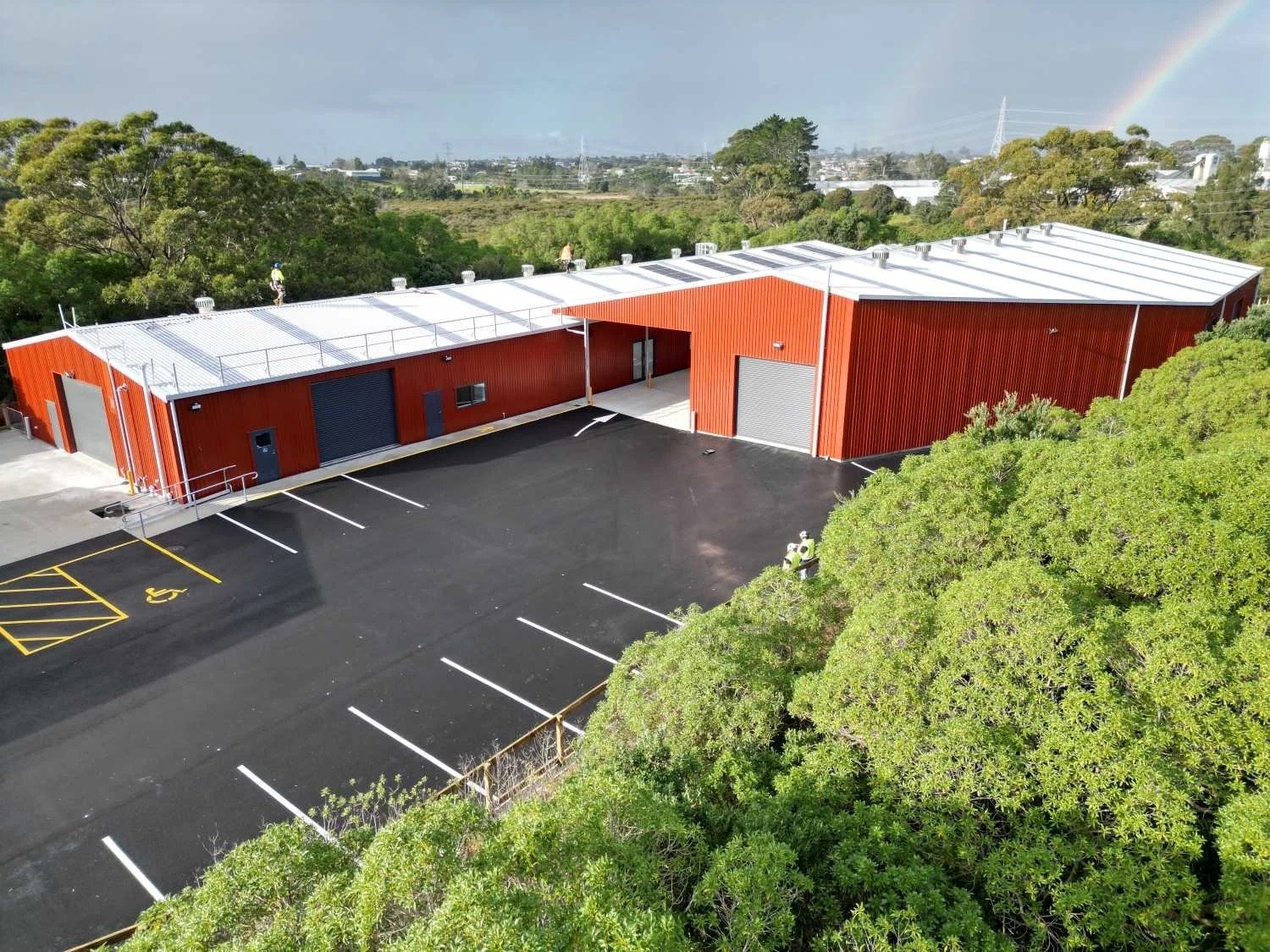
Auckland Council says Waitakere Resource Recovery Park now has a sorting option for divertible material. The idea is simple. Customers can separate items with reuse or recycling value before the remaining refuse is weighed for disposal. That matters because landfill charges are weight based, so every useful item kept out of the refuse stream can reduce the final cost.
The change is not only about individual bills. Resource recovery parks are supposed to sit between ordinary rubbish disposal and a circular economy. If the site can move furniture, timber, metal, household goods or other recoverable material into better channels, it reduces pressure on landfill and gives community reuse operators more value to work with.
The timing also matters. Auckland households are being asked to make more careful waste decisions, but the easy option is often still to unload everything together. A separate sorting step gives people a clearer moment to pause before they pay for disposal. That is more useful than a general reminder to recycle, because it changes the customer journey at the point where the decision is made.
The challenge will be keeping the process quick enough for busy users. Recovery parks need safe traffic flow, clear signage and staff guidance so customers know what can be diverted and where it should go. If sorting feels confusing or slow, people will default to the easiest lane.
Still, the direction is right. Auckland's waste goals depend less on slogans than on workable systems at everyday sites. Waitakere's new option gives West Auckland residents a more direct incentive to separate reusable material, and it gives the city another measure of whether resource recovery can be made practical at scale.