Auckland Startup Week is putting founders, investors and research commercialisation back into the same city conversation, and the strongest examples are not always the loudest pitch-room stories.
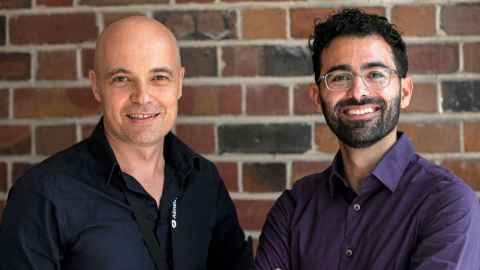
The University of Auckland's Startup Week profiles show how research-backed companies can move from lab problems to global markets. The clearest case is Alimetry, the medtech spinout co-founded by gastrointestinal surgeon Greg O'Grady and American bioengineer Armen Gharibans.
The company grew out of work on the gut's electrical system, an area that was far less understood than heart electrics despite gut disorders affecting many patients. The University says Alimetry now employs 50 people, has raised $50 million and has its Gastric Alimetry device used in more than 50 hospitals and clinics around the world.
That founder story matters during Startup Week because it shows the practical ingredients behind a startup ecosystem. O'Grady's commercialisation path included the Auckland Bioengineering Institute's Cloud9 medtech incubator, the Centre for Innovation and Entrepreneurship's Velocity programme, UniServices investment and investor introductions. In other words, the company was not created by inspiration alone. It needed research depth, clinical need, prototype work, commercial support and patient capital.
The wider University profile also points to ISpyNits founder Kate Ricketts, who turned a parent problem into a lice-detection product, Tectonus and its seismic technology, and a team of postgraduate students exploring targeted nasal drug delivery for brain-cancer treatment.
Those examples give Auckland Startup Week a useful reality check. A startup city is not built only from events, slogans or networking. It is built when researchers, students, clinicians, investors and operators can move an idea through proof, support, funding and market contact.