Auckland's daylight-saving weekend is being used as a practical reminder to get ready for the next round of unpredictable weather, with Auckland Emergency Management urging households to check plans, supplies and outdoor risks before summer pressure builds. The message is timely because Sunday, 27 September marks the seasonal clock change, and council officials say it is easier to prepare while conditions are calm than when warnings are already in place.
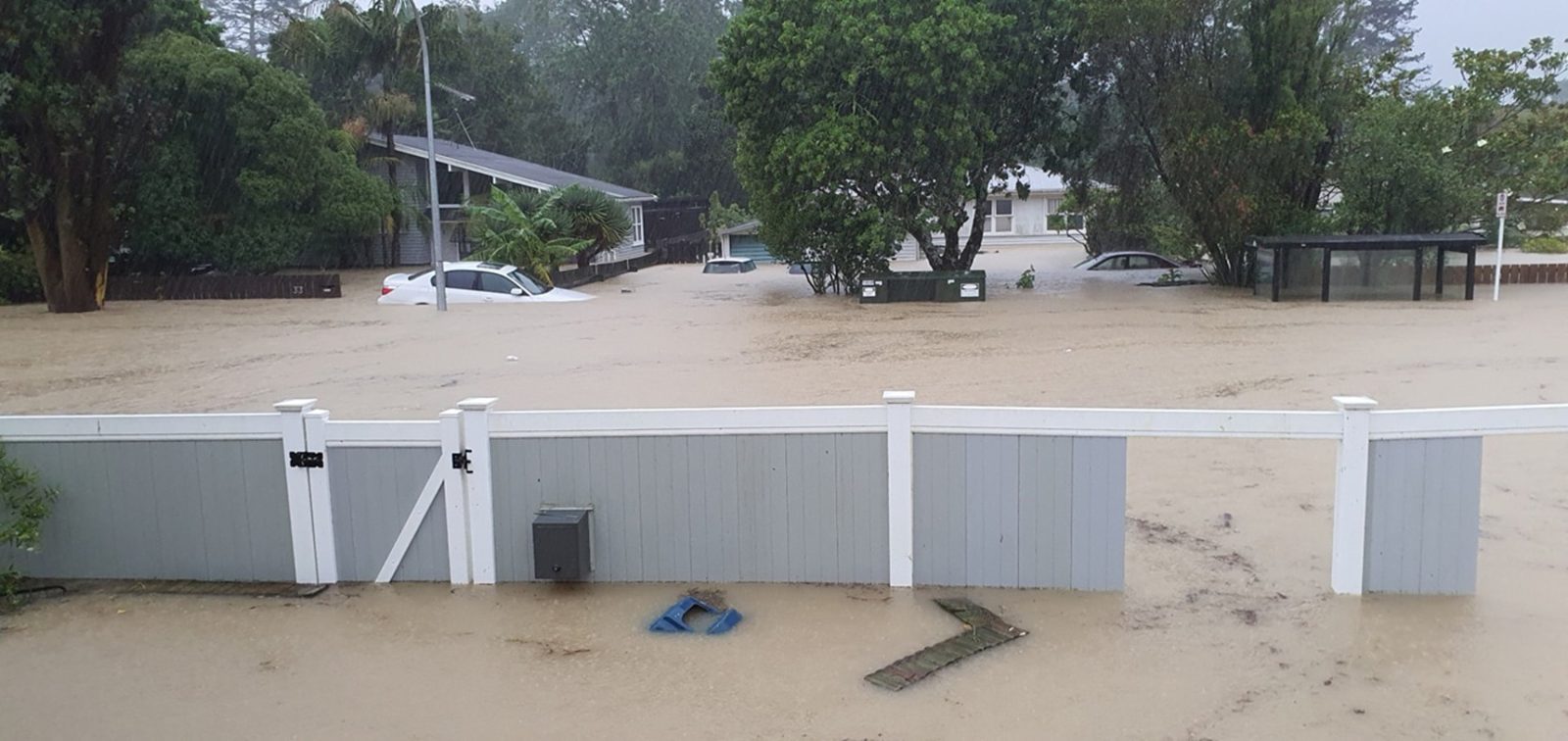
The current El Nino pattern could bring Auckland hotter, windier and drier spells, especially as spring turns toward summer. That raises familiar concerns for households on tank water, rural properties, growers, lifestyle blocks and suburbs exposed to dry vegetation or strong winds. But officials are also stressing that El Nino is not a promise of settled weather. Auckland can still face heavy rain, thunderstorms, flooding, strong winds and ex-tropical cyclone effects.
The useful part of the advice is that it stays practical. A household plan should answer basic questions: how people will contact each other, where they will meet if separated, where they will go if home is unsafe, who needs extra support, and what the family will do if power, water or internet services are disrupted. None of that requires panic buying. It requires a short conversation before an emergency does the organising for everyone.
The council's grab-bag advice is similarly simple. Sturdy shoes, warm clothes, a raincoat, water, snacks, medicines, a phone charger or power bank, a torch, batteries, photo ID and key documents are the kinds of items that can make a hurried evacuation or outage easier to manage. Families with babies, pets, older relatives or medical needs should add the items those people and animals would actually need.
Water is the bigger number many people underestimate. Auckland Emergency Management's guidance points to at least three litres of drinking water per person per day, which means nine litres for each person for a three-day period. Rural and semi-rural residents are also being urged to check tank levels, pumps, pipes, gutters and connections before dry conditions put pressure on top-up services.
Outside the house, small jobs can reduce larger problems. Clearing leaves from gutters and drains, trimming risky overhanging branches where appropriate, securing outdoor furniture and checking loose items can all matter when wind or heavy rain arrives. Fire risk also deserves attention as warmer, drier and windier weather develops, particularly for people near vegetation or on lifestyle blocks.
For Aucklanders, the point is not to treat every sunny weekend like an emergency. It is to use a predictable calendar moment to do the dull jobs that become valuable later. Daylight saving gives the city longer evenings, busier parks and a stronger sense of summer coming. It should also trigger a quick household reset: check the plan, check the water, check the batteries and make sure the basics are not being left until the first warning lands.