Auckland Heritage Festival is now underway, giving the city a spring school-holiday programme built around the theme Tastes of Tamaki: A Heritage Feast. The festival runs from 26 September to 11 October and brings together talks, tours, exhibitions, performances and family-friendly activities across the region.
This year's theme is useful because food gives heritage an everyday doorway. Auckland's history is not only held in old buildings, formal monuments or archive rooms. It is also in markets, recipes, family businesses, migration stories, dining rooms, orchards, cafes, community halls and the places where people gather to cook, sell, eat and share. A festival focused on food can make those histories easier for more people to enter.
Discover Auckland says the programme explores the food, people and traditions that have shaped the region. Auckland Council's earlier festival material describes the 2026 event as the 22nd year of the festival and says the food focus is intended to highlight migration, resilience, innovation and manaakitanga. For readers, the practical appeal is that many events are free or low-cost, so the festival can work as both a cultural programme and a school-holiday option.
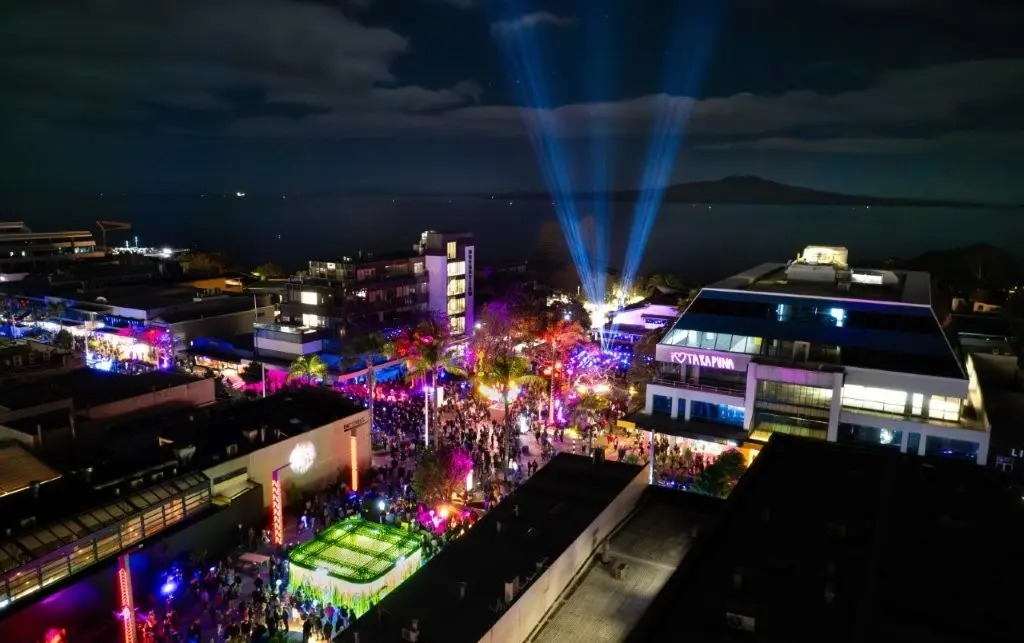
The timing matters. The opening weekend coincides with daylight saving, the start of the spring school holidays and a city that is still rebuilding habits around public events, transport and local exploration. Families looking for low-pressure activities can use the programme to choose neighbourhood walks, displays or workshops. Food lovers can use it to think about the origins of the places and dishes they already enjoy. Local history groups get a chance to bring specialist knowledge into a public setting.
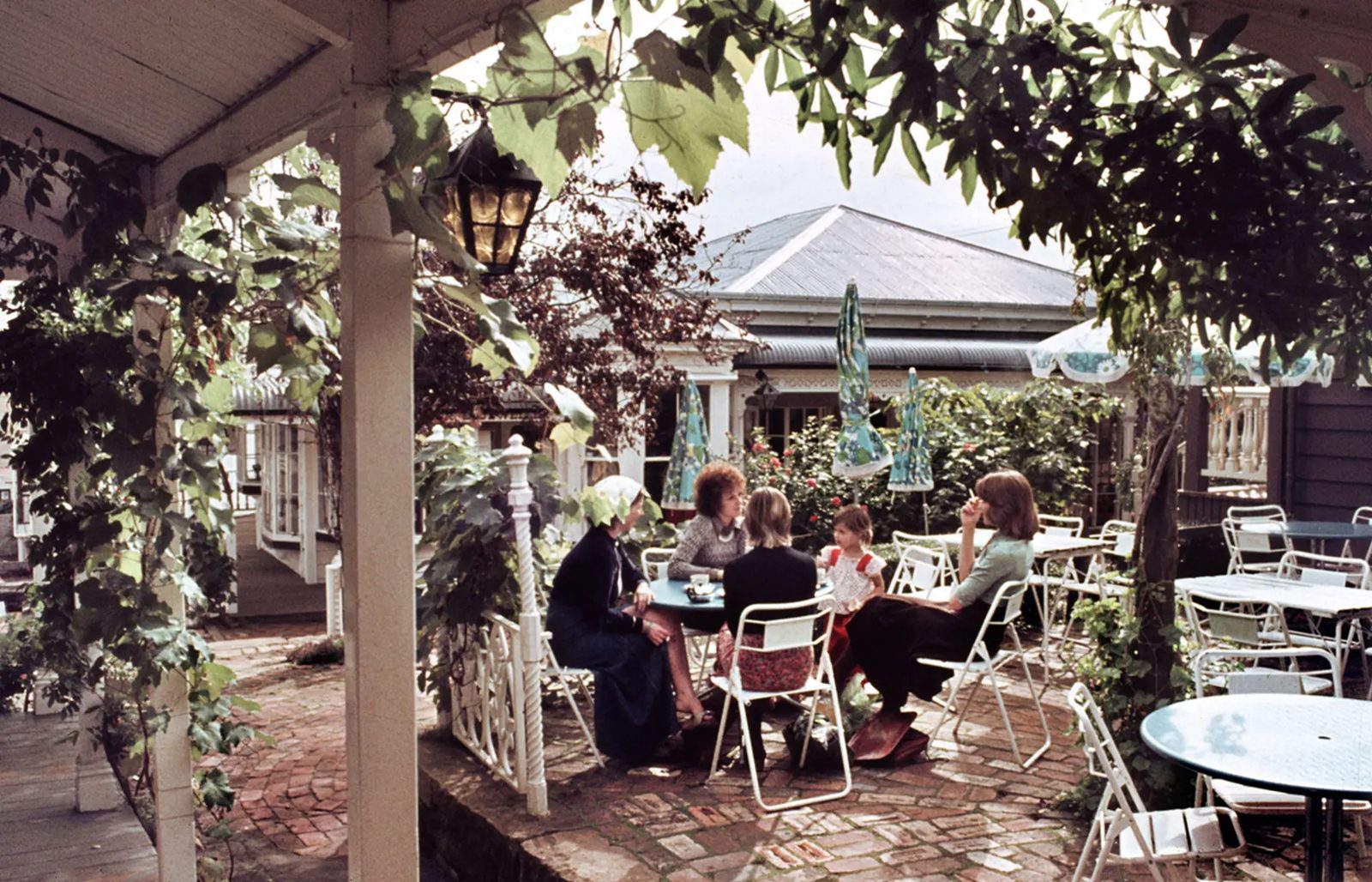
The strongest heritage programmes usually connect the big and the personal. A story about a cafe courtyard, a market stall, a shared meal or a food tradition can open wider conversations about work, settlement, class, trade, land use and identity. That is why food is a smart frame for Auckland: it lets different communities see themselves in the programme without requiring everyone to enter through the same historical doorway.
The festival also gives Aucklanders a reason to move around the region rather than treating the city centre as the only cultural destination. Events are listed across different Auckland locations, and the official programme encourages people to plan routes and transport. That matters in a city where heritage can feel unevenly visible, with some suburbs well documented and others too easily left out of the public story.
For The Auckland Loop, the opening weekend is a reminder to treat heritage as something living. The useful question is not only what Auckland used to be. It is how the city's older food places, family practices, markets, growers, cooks and community venues still shape daily life now. Tastes of Tamaki gives Aucklanders two weeks to follow that thread, one meal, walk, exhibition or memory at a time.