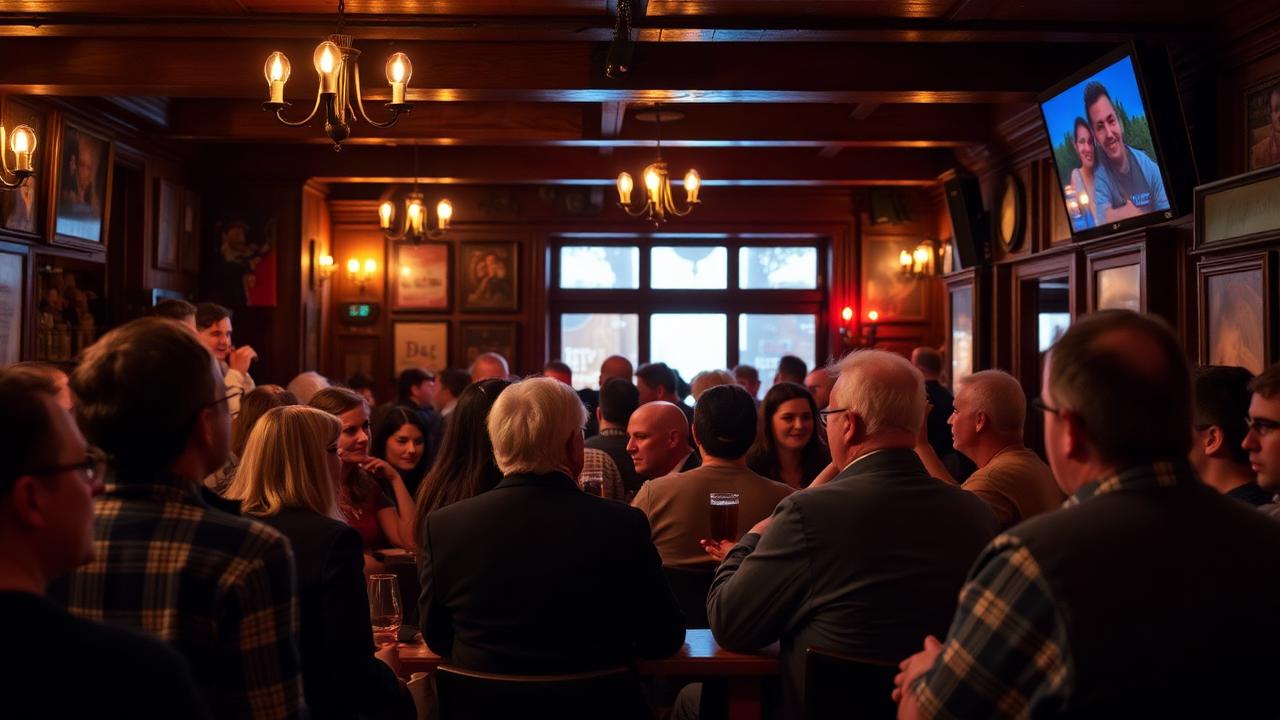
The University of Auckland is sending research back into the city's bars this month, with Raising the Bar returning on Tuesday 25 August for its tenth Auckland year. The university announced the programme on 31 July, saying 20 talks will run across ten inner-city bars, with free registration now open. The format is simple: academics leave the lecture theatre and meet the public in the venues where Aucklanders already gather after work.
For the city, the value is not only the novelty of hearing research over a drink. It is the way the programme makes public knowledge feel accessible. The topics named by the university include Disney music and storytelling, growing three-dimensional tumours for cancer research, Indigenous food systems and international trade in a turbulent world. That range turns a Tuesday evening into a cross-section of the university's work, from science and medicine to culture, trade and society.
Raising the Bar began in New York in 2013 and has become a global initiative. The University of Auckland has run its local version since 2017, making this year's edition a milestone rather than a one-off campaign. Mark Bentley, the university's Director of Alumni Relations and Development, says the institution is proud to have brought world-leading research into Auckland bars for the past ten years and describes the event as a way to generate dialogue about key issues in public spaces.
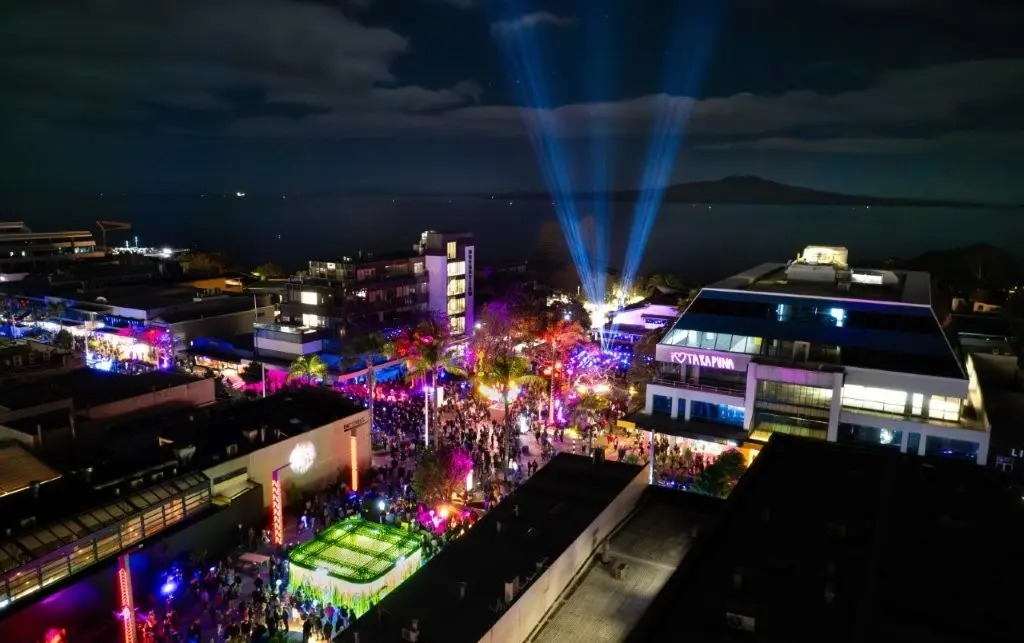
The venue geography also matters. The university says punters can move between bars in Wynyard Quarter, Victoria Park, Ponsonby and City Works Depot, with each venue holding two sessions beginning at 6pm and 7.30pm. That structure creates a small evening circuit through parts of the central city rather than a single campus event. It also gives hospitality venues a role in the civic knowledge network, which is useful at a time when central-city evenings need programming that feels open, low-cost and distinctive.
The free-entry model is important, but so is the limited capacity. Registration is essential because each room can only hold so many people. That scarcity should not be confused with exclusivity; it is simply the practical constraint of turning bars into temporary lecture spaces. The best way for residents to use the programme is to choose a topic early, register, and treat the session as a live event rather than assuming spaces will remain open at the door.
For Auckland's lifestyle and events calendar, Raising the Bar sits in a useful middle ground. It is not a festival, not a standard lecture and not a networking mixer. It gives curious residents a way to spend an evening with ideas that are current, local and connected to research. It also lets the university show public value beyond enrolments and rankings.
The stronger the line-up, the more the programme can become an annual civic habit. If Auckland wants a city centre that feels active after work, free research talks in bars are a practical and relatively low-friction addition to the mix.
The timing also gives Auckland venues a useful late-winter lift. A free registered talk does not replace normal hospitality trade, but it can bring people into neighbourhoods they may not otherwise visit on a Tuesday night. That makes the programme part education story, part city-centre activation story.