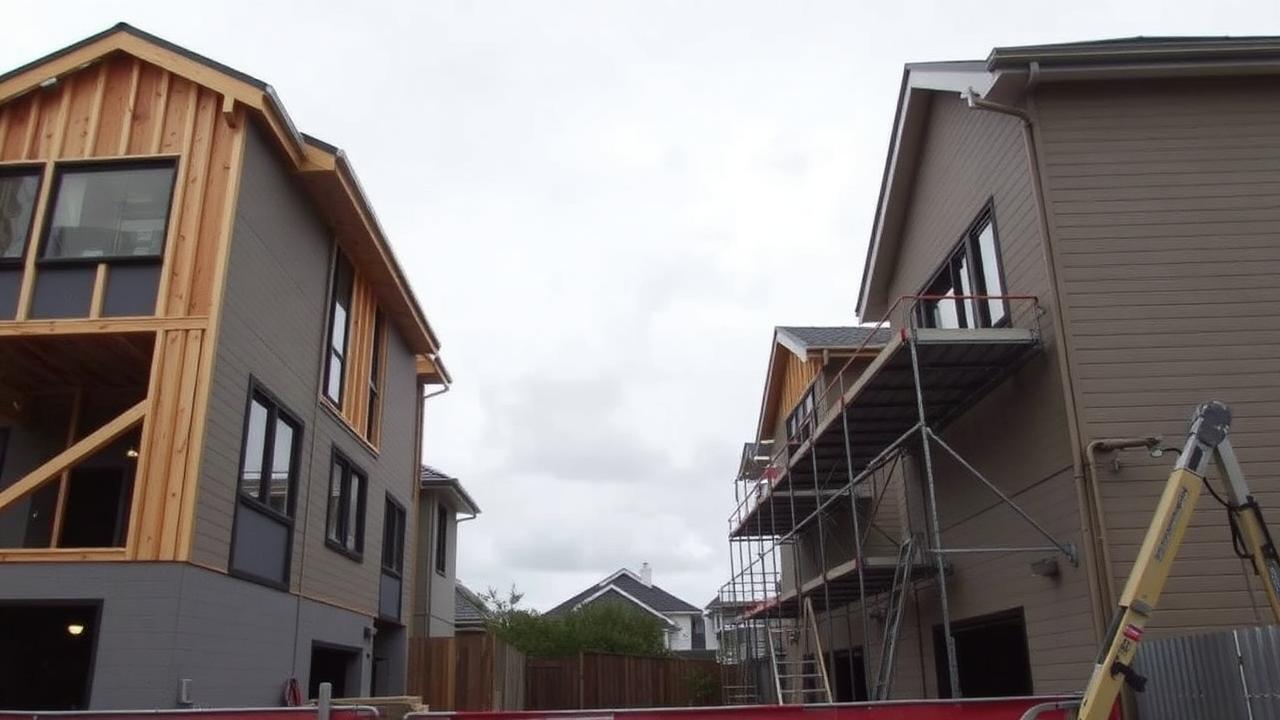
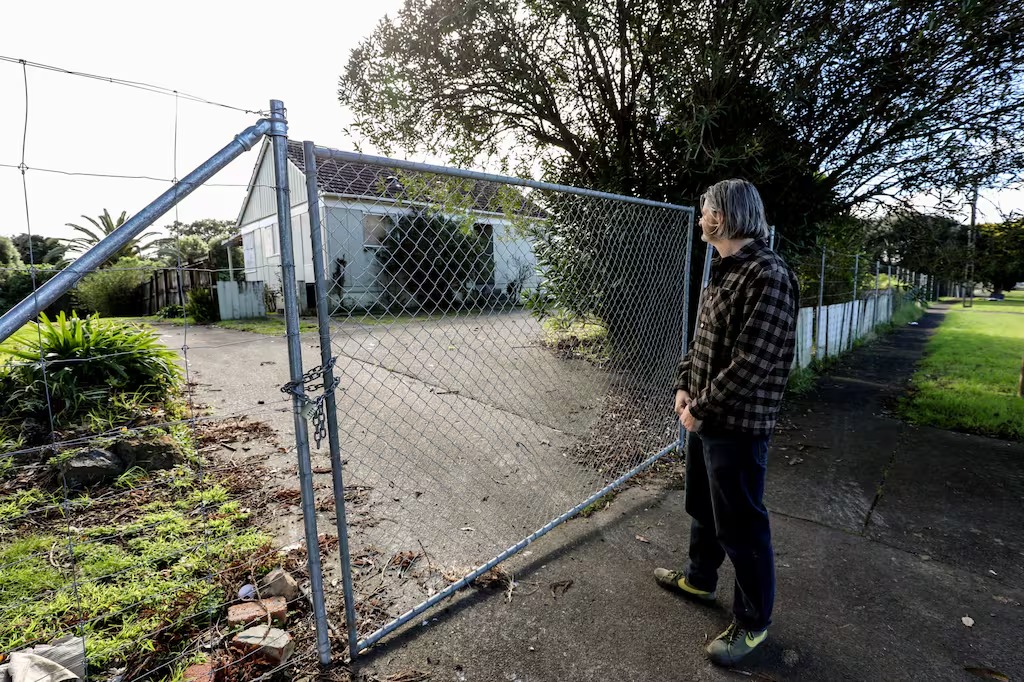
A Central Auckland housing dispute has moved from policy language to street-level frustration, with O'Donnell Avenue residents saying empty Kāinga Ora houses and vacant lots are attracting illegal dumping after the larger Wesley West redevelopment was paused. Reporting on 29 July said hundreds of homes had previously been planned for the street as part of the housing agency's Wesley West work, but demolition began before a nationwide reset changed the project direction.
Resident Stu Harwood said there were more than 30 empty Kāinga Ora lots or houses on the street, some fenced or boarded up for two years. The coverage described dumped items including an old suitcase, mattress, tyre and building materials, while Auckland Council said it had recorded 56 illegal-dumping callouts on the street in the last financial year. That figure turns the issue from visual neglect into a measurable local-services problem for ratepayers, council crews and nearby residents.
Kāinga Ora general manager of urban development and delivery Nick Howcroft said the agency had planned to transform 36 state-house sites into 331 new medium-high density social and private market units. Following the Government's reset of Kāinga Ora last year, $72 million from the project was reprioritised. Howcroft said Kāinga Ora is now planning 39 two-to-four bedroom state homes across four sites, mainly for families, and has lodged a resource consent application with Auckland Council, with construction expected to start in late spring.
That change is the core property story. The original redevelopment was about a much larger mixed renewal programme; the revised plan is smaller, more targeted and focused on social homes. Albert-Eden-Puketāpapa councillor Julie Fairey said the community felt abandoned after the wider development stopped, especially while thousands of Aucklanders remain on the social housing register. Housing Minister Chris Bishop said the original development had been paused, but state homes were still coming for Wesley and empty land or homes needed to be looked after to prevent dumping.
The local school angle sharpens the issue. Wesley Primary School principal Andy Crowe said the school had prepared for major roll growth and moved into new buildings, but later stages linked to the larger community growth had stopped. Housing projects do not only affect buyers, tenants and developers. They affect school planning, transport demand, parks, rubbish collection, local shops and whether families can stay in a neighbourhood long enough for children to keep stable relationships.
For Auckland, the lesson is that pausing a major housing project is not a neutral holding pattern. Empty state-owned houses and cleared sections still need security, mowing, monitoring and fast reuse decisions. If they sit visibly vacant, they can become a dumping site and a symbol of broken expectations. The revised 39-home plan may help families once built, but residents on O'Donnell Avenue are judging the present condition of the street, not only the next consent milestone.
The question now is how quickly Kāinga Ora can move from a reset plan to visible work on the ground, and how well it maintains the sites while that happens. Auckland's housing shortage is too severe for land in an established suburb to look abandoned for years.