A north Auckland housing-growth model is back in national policy debate after the Government said Parliament had passed changes to make infrastructure funding and financing tools faster and easier to use. Housing Minister Chris Bishop and Parliamentary Under-Secretary Simon Court announced on 28 July that the Infrastructure Funding and Financing Amendment Bill had passed, arguing that it gives developers and councils more practical ways to fund the roads, water systems and transport links needed for new communities.
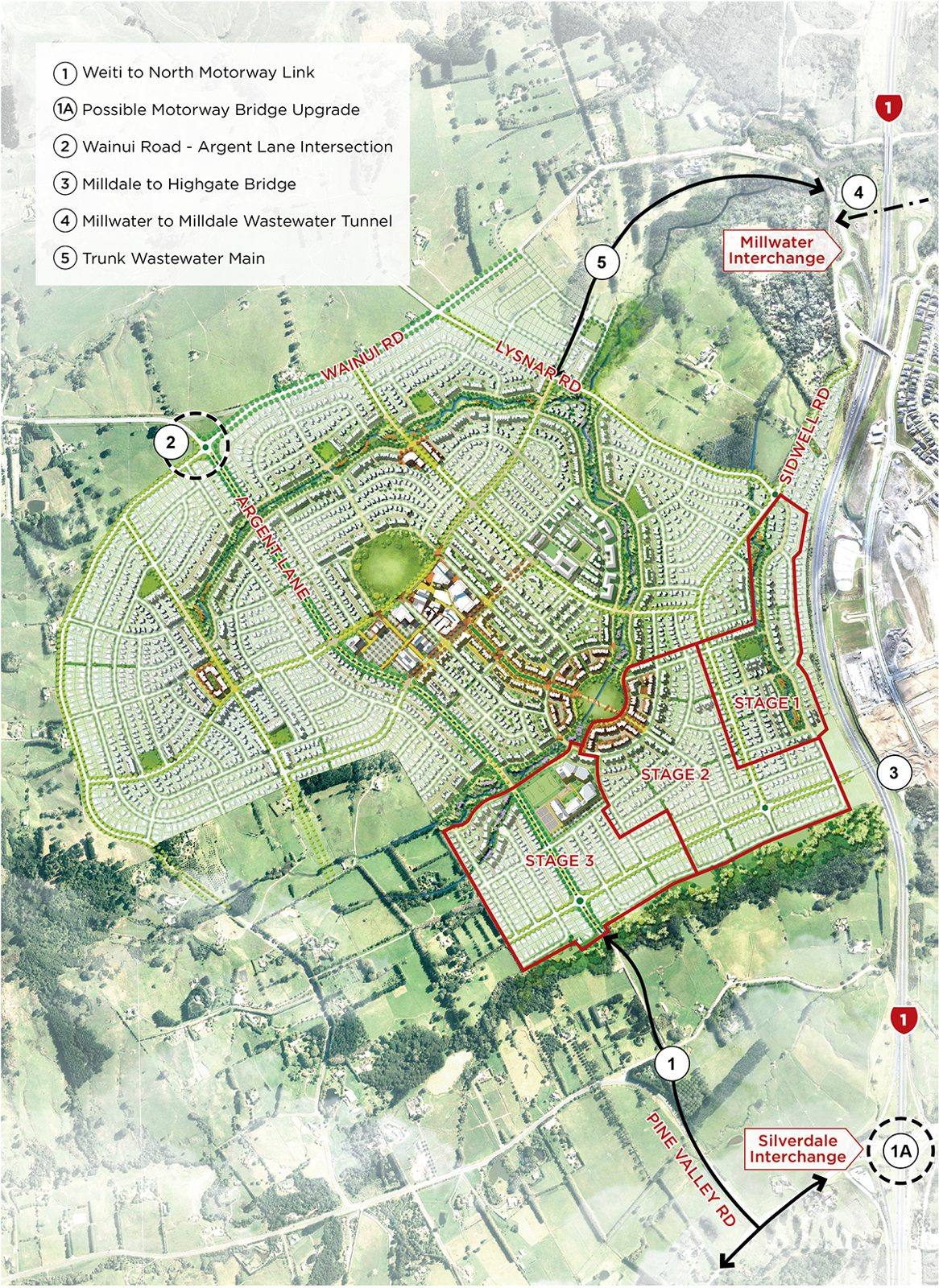
The Auckland hook is Milldale. Bishop said the original Act was inspired by the successful Milldale development north of Auckland, where a financing model helped unlock infrastructure needed to support thousands of homes. The policy argument is straightforward: developers may be ready to build homes, but councils can lack the borrowing capacity to deliver the infrastructure that makes those homes workable. Without roads, water, wastewater, stormwater and transport connections, zoned land does not become a functioning neighbourhood.
The Government says the previous Act had fallen short because it was too complex, costly and difficult to use, with only three levies authorised to date. The amended law is intended to streamline levy approvals, remove unnecessary barriers and broaden the infrastructure that can be funded through the model. The release says that includes transport projects delivered by the New Zealand Transport Agency and KiwiRail, as well as water services infrastructure delivered through new water organisations.
The levy model is politically sensitive because it shifts some costs directly onto properties that benefit from infrastructure, rather than relying solely on council borrowing. Supporters call that growth paying for growth. Critics will want to know how much cost lands on future residents, whether the levies are transparent before people buy, and whether projects funded this way are genuinely additional rather than replacing basic public investment. Those questions are especially live in Auckland, where housing supply, transport capacity and local affordability constantly pull against one another.
Court said the Bill also allows ongoing operational and maintenance costs to be funded through levy revenue, which he argued should encourage whole-of-life design and make the model more attractive for future projects. That point deserves attention because a neighbourhood does not only need a road or pipe on opening day. It needs maintenance, renewals and systems that still work after the first sales campaign has finished. A financing model that ignores lifecycle costs can create later pressure for councils and residents.
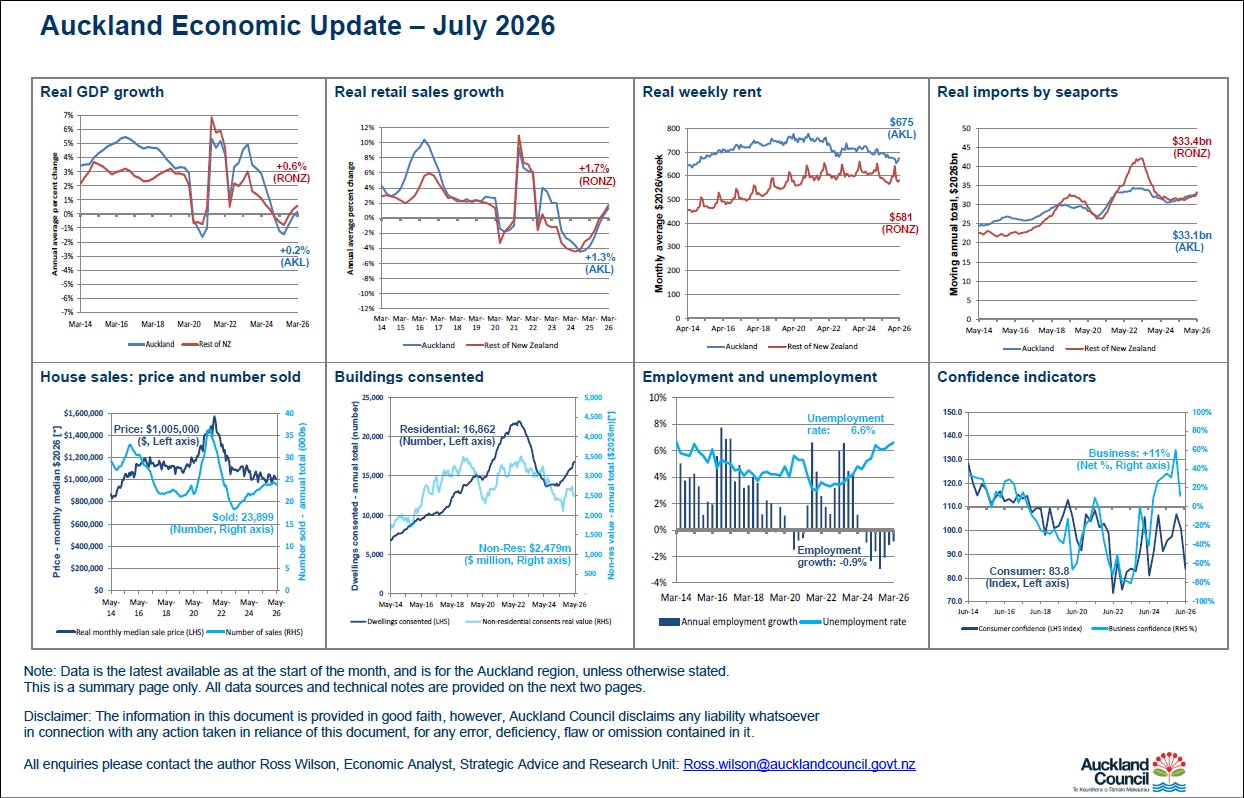
For Auckland's property market, the change does not guarantee a building surge by itself. Planning settings, interest rates, construction costs, buyer confidence and council capacity still matter. But the Bill gives growth areas another funding path at a time when councils are under pressure to support housing without stretching balance sheets indefinitely. Milldale is being used as the proof point. The next test is whether the amended system can deliver similarly clear infrastructure packages elsewhere without leaving residents confused about what they are paying for and why.
The strongest Auckland version of the story is therefore not legislative process in Wellington. It is whether families in future growth suburbs see complete streets, working water systems and reliable transport links arrive early enough to make new housing feel like a neighbourhood.