
Auckland commuters are again being reminded that the city's transport network can change quickly across weekends and night works, with rail closures and motorway maintenance notices both active around the first week of June. The message is not new, but it is still important: check before travelling, especially if your trip depends on a train connection, a Western Line station or a late-night motorway route.
Auckland Transport's planned rail closure calendar showed the Western Line had a partial closure until 12pm between Waitemata and Kingsland on Saturday 6 June. It also listed further June rail impacts, including partial closures on 13 and 20 June across parts of the Southern, Eastern and Western lines, with the Onehunga Line also affected on 13 June. AT's own advice is to check Train Line Status before travel and subscribe to push notifications in the AT Mobile app.
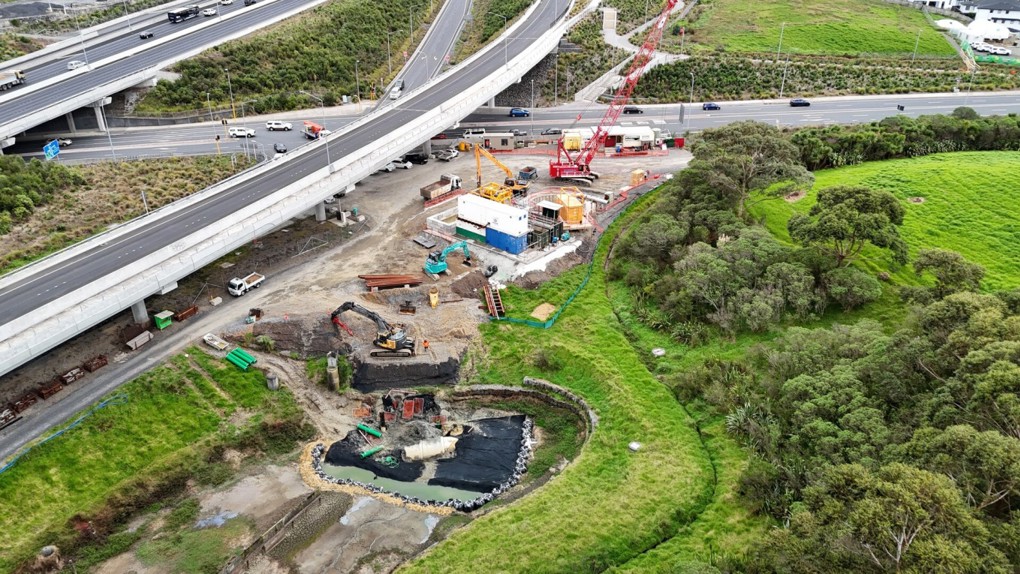
On the roads, NZ Transport Agency Waka Kotahi's Auckland traffic bulletins listed overnight motorway closures for 7 to 12 June, published on 5 June. The same bulletin page also showed a high-winds notice for the Auckland Harbour Bridge on 5 June and other night works on SH16. For drivers who only notice cones when they reach them, that is too late. The bulletin page exists because planned maintenance is predictable if people look first.
The problem for Auckland is that most people do not plan every journey like a logistics manager. They remember the route that worked last week and assume it will work again. That is understandable, but it is increasingly risky in a city preparing for major rail changes, road renewals and more event traffic. A 10-minute check can prevent a missed start time, a long rail replacement bus transfer or a detour through unfamiliar suburbs.
For public transport users, the phrase "partial closure" matters. It does not mean the whole network has stopped. It means part of a line is unavailable, trains may continue elsewhere, and replacement buses may serve the closed section. That can work smoothly when people know where to board and allow extra time. It becomes frustrating when passengers arrive expecting a normal trip.
For motorists, overnight works can be easier to avoid but harder to interpret. A closure from one interchange to another may not affect a short local trip, but it can matter for airport runs, freight, shift workers and anyone crossing the city after evening events. The best approach is to check the Journey Planner or NZTA bulletins on the day of travel, not from memory.
There is a communication challenge here too. Aucklanders are often tired of disruption notices, and repeated alerts can become background noise. Transport agencies need to keep messages plain, route-specific and timely. Travellers, in return, need to treat the network as a live system rather than a fixed map.
The upside is that planned disruption is at least knowable. Unlike crashes, breakdowns or sudden weather, scheduled closures give the city a chance to prepare. This week, the practical transport story is not dramatic. It is a reminder that Auckland travel now rewards people who check twice before stepping out the door.