Auckland and Fukuoka are marking 40 years of formal sister-city ties, with Auckland Council using the anniversary to highlight a relationship built around culture, education, tourism and trade. The agreement was signed on 24 June 1986 by then Auckland City Mayor Dame Cath Tizard and Fukuoka Mayor Shinto, making Wednesday's anniversary a local travel and international-relations story rather than a ceremonial footnote.
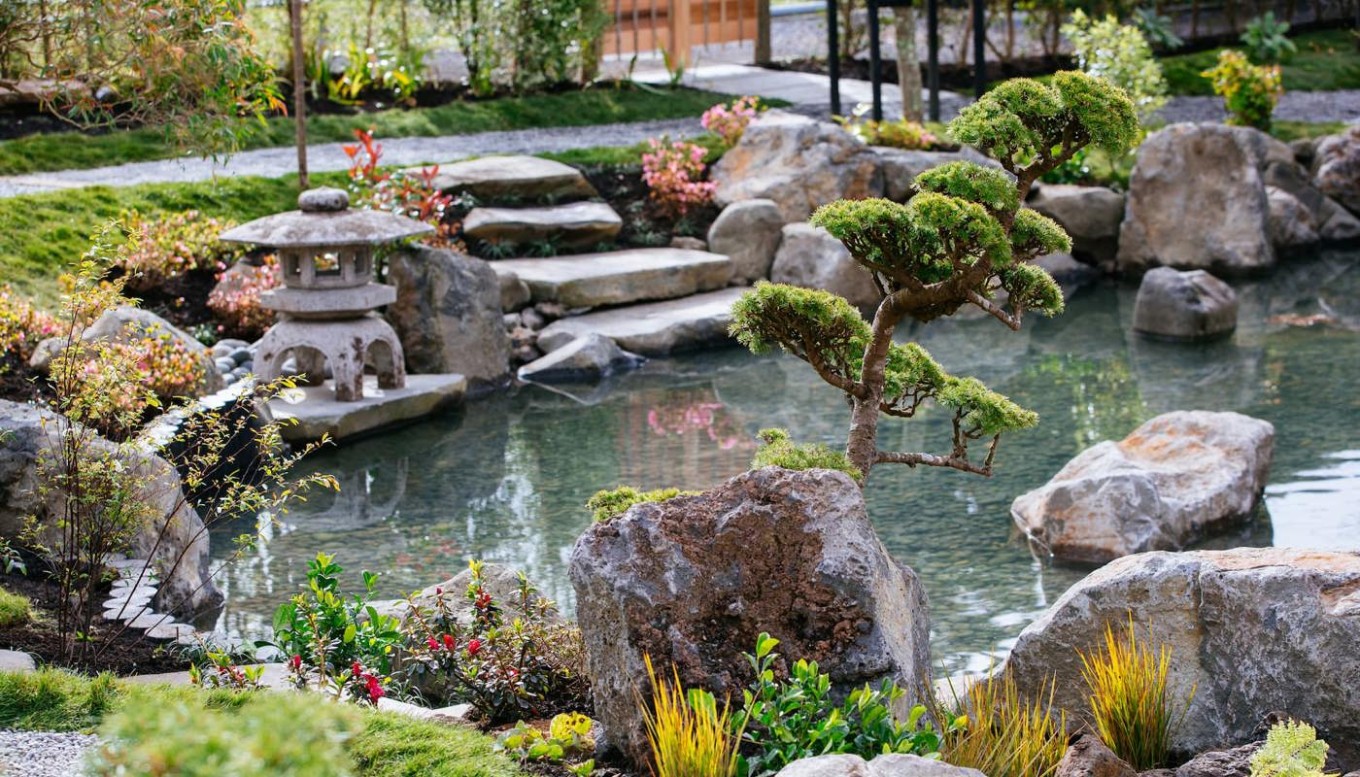
The relationship has a visible Auckland symbol in Fukuoka Garden, but the council's update points to a wider civic link. Sister-city agreements can sound soft or symbolic, yet they often create durable channels between schools, universities, cultural organisations, business groups and visitor economies. For a city like Auckland, which depends on migration, tourism, international students and export connections, those relationships can matter long after the signing photo is forgotten.
Auckland Council's manager of international relations, Tao Chen, said the two cities had fostered an enduring partnership across the 40 years since the agreement was signed. The anniversary gives Aucklanders a chance to see international engagement at a human scale. It is not only about trade missions or official delegations. It is also about gardens, exchanges, festivals, education links and the sense that two coastal cities can keep recognising each other across generations.
Fukuoka is a useful partner for Auckland because it is a major Japanese city with its own port, food culture, startup activity, universities and regional identity. Auckland's links to Asia are often discussed through large national markets, but city-to-city relationships can be more practical. A school exchange, tourism campaign, arts programme or business introduction can move faster when officials and community groups already know each other.
The travel angle is also real. Japan remains a major destination for New Zealanders, and Auckland's airport and visitor economy benefit when cultural awareness runs both ways. A sister-city anniversary can encourage residents to look beyond Tokyo and Kyoto and understand Fukuoka as a gateway to Kyushu with food, design, coastal and education links of its own. Likewise, Auckland has an interest in being visible to Japanese visitors, students and investors as more than a stopover.
The anniversary also raises a useful civic question: how should Auckland make old international agreements useful now? A 40-year relationship should not sit only in archives. It can be used to support youth exchanges, climate and water conversations, creative-industry links, hospitality connections and business introductions. The best sister-city relationships are renewed by specific projects, not just anniversary speeches.
For residents, the local invitation is modest but worthwhile. Fukuoka Garden gives Aucklanders a physical place to understand the relationship, while the anniversary provides context for why it exists. In a city where international identity is part of everyday life, these formal friendships help turn global connection into something residents can see, visit and explain.
After 40 years, the Auckland-Fukuoka relationship has lasted long enough to prove it is more than a one-off diplomatic gesture. The next test is whether the two cities keep finding practical ways to make that friendship useful for students, travellers, artists, founders and communities on both sides of the Pacific.