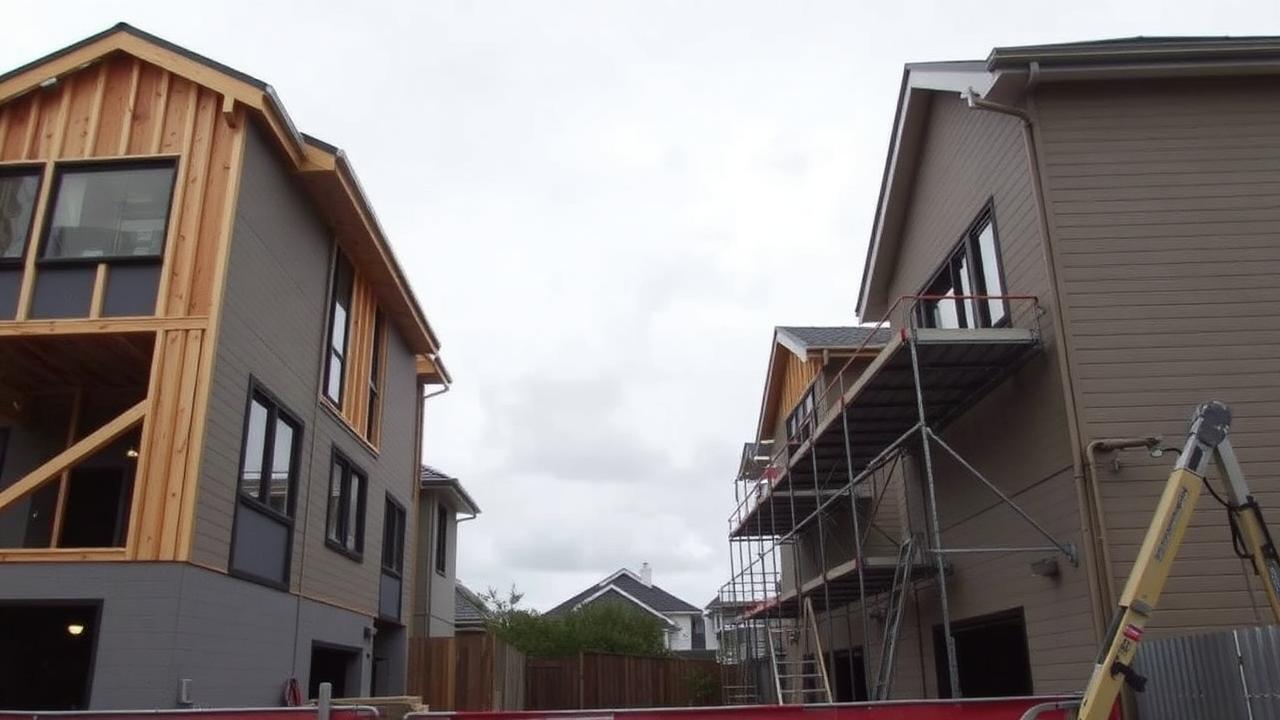
Auckland Council has moved Plan Change 120 into its next public stage after a 17-5 committee vote backed a revised housing-intensification package for public notification. The decision, confirmed on 22 July, means Aucklanders are expected to get another four-week submission window from the end of August before an independent hearings panel considers the plan and makes recommendations. Final council decisions are expected in mid-2027.
The latest council statement says the proposed changes respond to Government legislation that reduced Auckland's minimum housing capacity requirement from about two million homes to a minimum of 1.4 million homes. Council now estimates the revised package would provide theoretical capacity for roughly 1.5 to 1.7 million homes. That figure is not a building target. It is the amount that planning rules could allow over time if eligible sites were developed to their maximum permitted capacity.
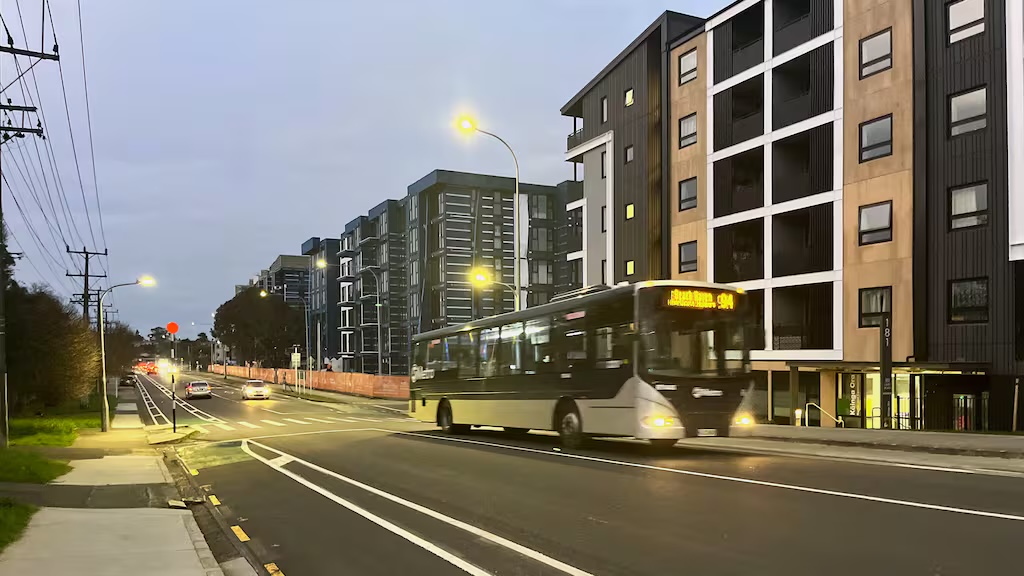
The practical consequence is a more focused version of intensification. Auckland Council says about 85 percent of the urban area remains unchanged, while additional housing opportunities are retained in places with strong access to transport, shops, jobs and services. The package keeps mandated requirements around rapid transit stations, the city centre and metropolitan centres. It also keeps taller building heights in some walkable catchments within 10 kilometres of the city centre, including Western Line stations such as Maungawhau/Mt Eden, Kingsland, Morningside, Mt Albert and Baldwin Avenue.
The decision also narrows some earlier ambitions. Walkable catchments outside 10 kilometres of the city centre will generally move back to the Government-mandated six-storey setting. The proposal removes additional housing around smaller local centres and along most frequent bus routes beyond 10 kilometres of the city centre. That change is politically important because many outer-suburban concerns have focused on whether intensification was being pushed into places without enough infrastructure, services or local support.
Natural hazards are a major part of the package. Council says the proposed changes include stronger rules to limit new homes in areas at high risk from floods and other hazards. That matters after Auckland's recent severe-weather experience. Housing supply and risk reduction are often treated as opposing goals, but Plan Change 120 is now trying to draw a more specific map: allow more homes where transport and services make sense, and tighten controls where development could increase exposure to flooding or other hazards.
The vote also gives residents a clearer timeline. People who have already made submissions keep their standing unless they withdraw them, but they will be able to provide additional feedback on the proposed changes. People who did not submit earlier are also expected to get a chance to comment through the next public process. That makes the late-August window important for homeowners, renters, developers, local boards, infrastructure agencies and community groups.
For Aucklanders, the key point is that the debate has shifted from whether there will be another decision to what residents do with the next submission round. The new package is a compromise, but it still changes the planning conversation around town centres, rail stations, bus corridors and hazard-prone land. Anyone affected should read the proposal when it is notified, check whether their suburb or property is inside a changed catchment, and make a specific submission rather than relying on general support or opposition.