Auckland Council has opened applications for the 2026 Regional Historic Heritage Grant Programme, putting grants of up to 50000 dollars in front of property owners, iwi, Maori groups, community organisations and trusts looking after important historic places. The council's OurAuckland notice says applications opened on 20 July and close on 14 September. That gives owners and community groups a defined winter window to assemble evidence, quotes, heritage advice and project plans.
The grant matters because heritage maintenance is often expensive before it becomes visible. Roof work, timber repair, seismic advice, archaeology, conservation plans and specialist materials can all cost more than ordinary property upkeep. Owners of historic places can end up carrying a public-good burden on a private balance sheet. A local grant will not solve every problem, but it can turn a delayed repair or planning exercise into work that is actually started.
Auckland Council says the fund is aimed at protecting and preserving the region's historic heritage places. Its listed priorities include conservation of regionally significant or at-risk heritage places and projects relating to Maori cultural heritage. That focus is important. Heritage funding can sometimes drift toward attractive buildings with strong advocates, while less obvious places carry deeper cultural or social meaning. The wording gives applicants a reason to explain significance as well as physical need.
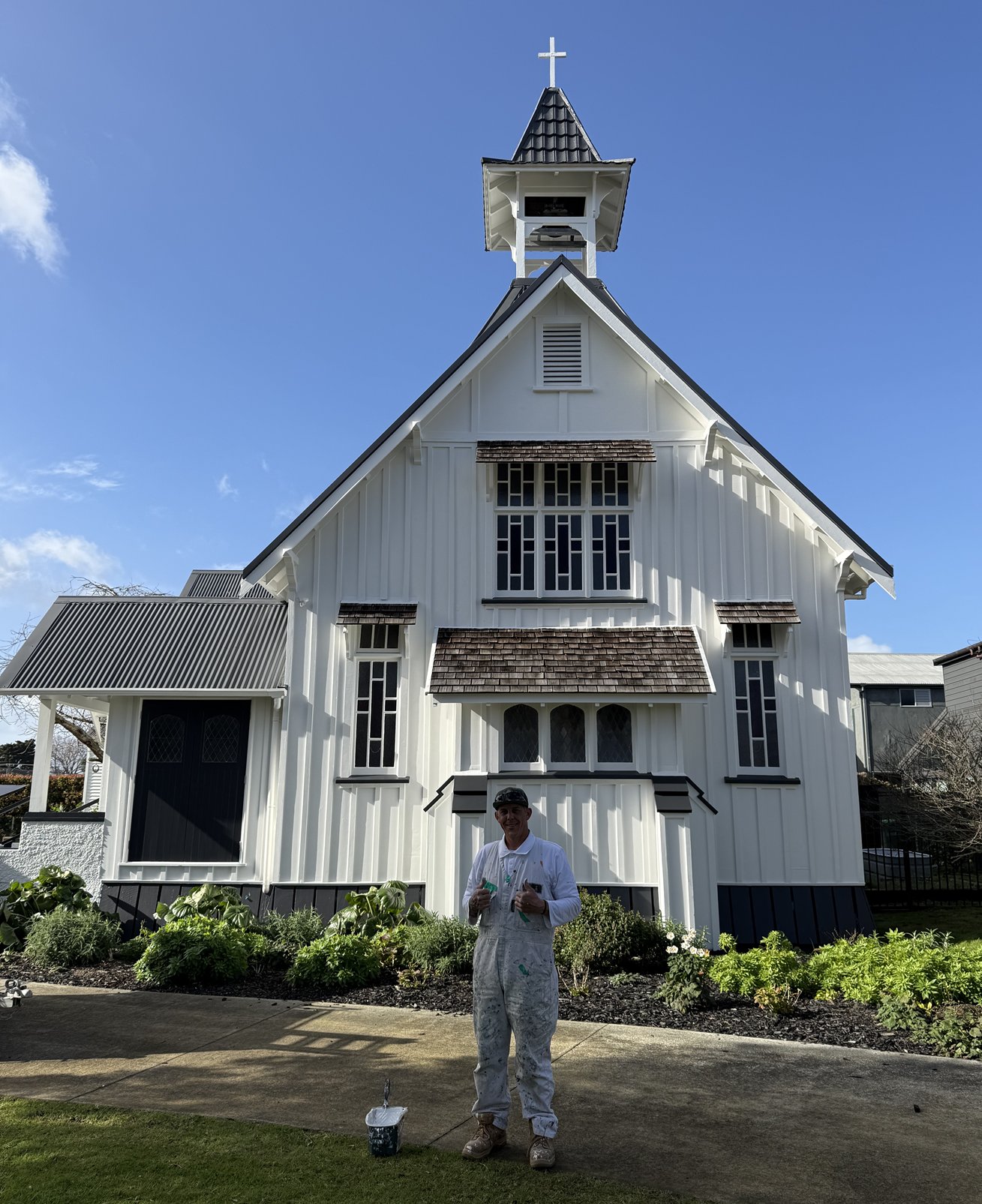
The council points to the former Church of the Ascension in Point Chevalier as an example of earlier grant support. The 1918 building was converted into a private residence, and its owner received a 15000 dollar grant toward repair and restoration work. The example is useful because it shows the fund is not limited to museum-style heritage. A building can be privately owned and still contribute to the character and memory of a neighbourhood.
For Auckland's property market, heritage is a planning issue as much as a sentimental one. The city is trying to add more homes, renew centres and manage infrastructure pressure, while also retaining the places that tell residents what came before. Those goals can sit uneasily together. Grants help by recognising that keeping heritage in good condition is an active cost. Without that support, neglect can become the quiet route to loss.
The programme should interest owners who already know their building or site has heritage value, but it may also be relevant to groups with landscapes, archaeological places, memorials or community places that need specialist care. The strongest applications are likely to be specific: what is the place, why does it matter, what work is proposed, what evidence supports the cost, and how will the work protect the heritage value rather than simply upgrade the asset?
The deadline also creates a practical prompt for owners who have been putting off maintenance. September can feel distant in July, but conservation projects usually need contractors, assessments and supporting documents before an application can be credible. Waiting until the final week risks turning a good project into an incomplete one. If Auckland wants fewer heritage emergencies, the planning has to start before the roof leaks or the timber fails.
The wider point is that heritage policy becomes real at property level. A grant round is not just a council notice; it is a test of whether Auckland can help people care for places that carry public meaning. With applications now open, the next two months will show which owners and communities have projects ready enough to ask for help, and which historic places may need stronger support before small problems become irreversible.