Health New Zealand's first primary birthing unit in central Auckland has officially opened in Parnell, giving the city's busiest maternity area another dedicated option for low-risk births and postnatal support. Associate Health Minister Casey Costello announced the opening today, saying Whanau Nga Uri will operate 24 hours a day, seven days a week and support up to 400 women and families each year.
The unit is significant because central Auckland has long carried heavy maternity demand. The Beehive release says metro Auckland has about 65 births each day, making it one of New Zealand's highest-demand maternity areas. A new midwifery-led primary unit does not replace specialist hospital care, but it can take pressure off hospital settings where families do not need high-intervention support.
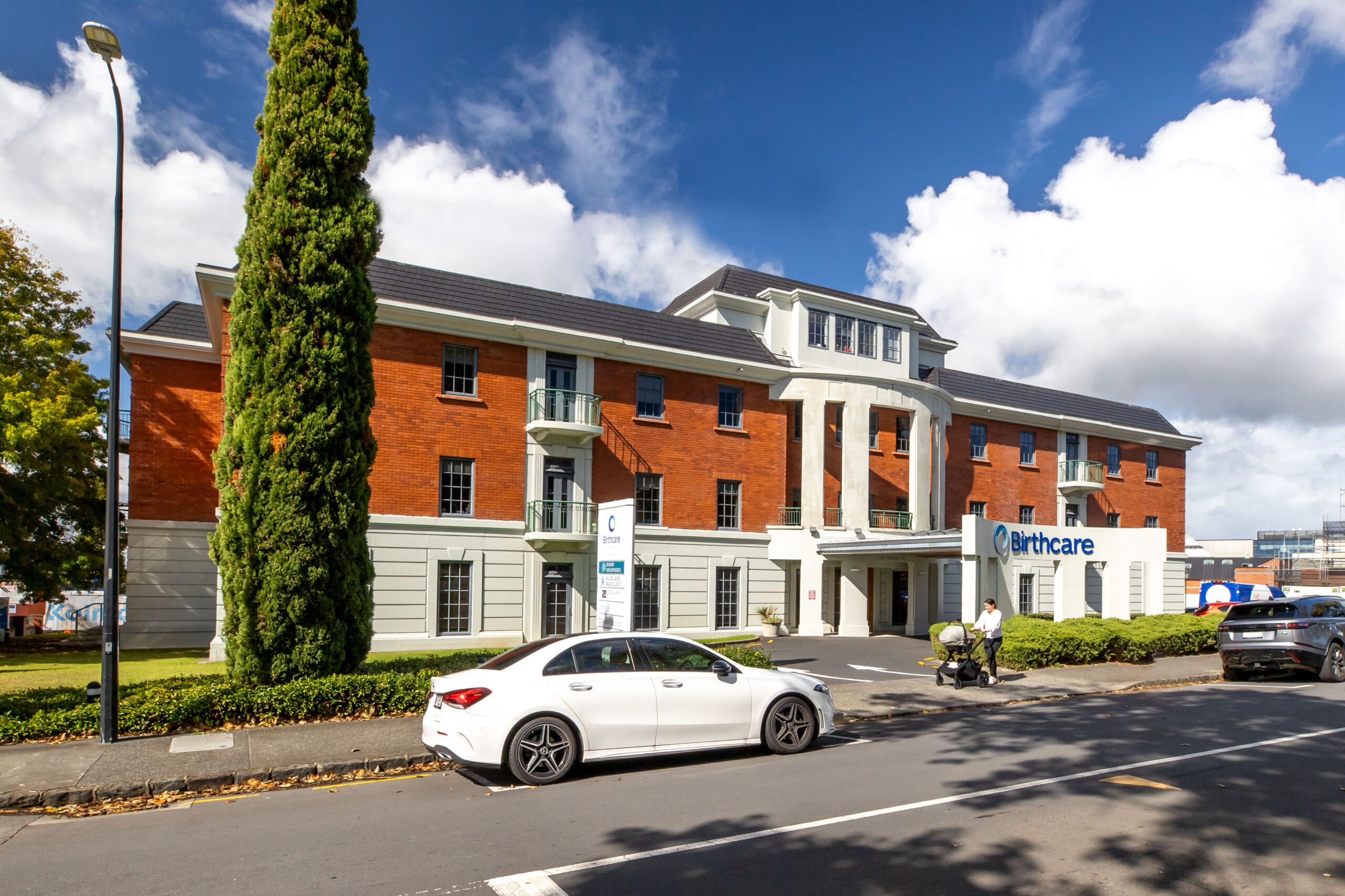
Whanau Nga Uri is located in Parnell and is designed to provide a calm, home-like environment while remaining close to Auckland City Hospital if rapid transfer is needed. That balance is the key policy point. Some women want or need hospital-based care from the beginning. Others want a lower-intervention environment but still need confidence that escalation is available if labour changes or clinical risk increases.
The facility includes three birthing suites equipped for water births and a shared family space. It will be staffed by 10 Health New Zealand midwives, with two onsite at all times. The service will provide acute assessment, support births with both Health New Zealand and community midwives, and offer antenatal and postnatal care including vaccinations, anti-D, iron infusions and primary assessment.
The opening also changes the postnatal pathway for eligible families. Women who give birth at the facility will have priority access to stay onsite for a funded three-day postnatal stay delivered by Birthcare. For new parents, that can mean time to recover, establish feeding, ask practical questions and receive support before going home. For the health system, it can help avoid the pattern of families leaving hospital quickly and then struggling to access support once they are back in the community.
There is a workforce angle as well. The ministerial release says the unit will be a clinical training environment for midwifery and medical students and will include structured support for new graduate midwives. That matters because expanding maternity capacity is not only about beds and rooms. Services need enough trained people to staff them safely, sustain rosters and build confidence among newer clinicians.
For Auckland families, the practical question will be eligibility and referral pathways. Primary birthing units are usually intended for women with low-risk pregnancies, and people should discuss their own circumstances with their lead maternity carer or health provider. The existence of a new unit does not mean every birth should happen there, but it does widen the set of choices for those who fit the model.
The Budget context is also clear. The Government says Budget 2026 provides $34.4 million over four years to expand maternity capacity and support the workforce. Whanau Nga Uri is one local expression of that broader promise. Its success will be measured by safe births, family experience, transfer management, staff sustainability and whether the added central Auckland capacity genuinely eases pressure where demand is highest.