
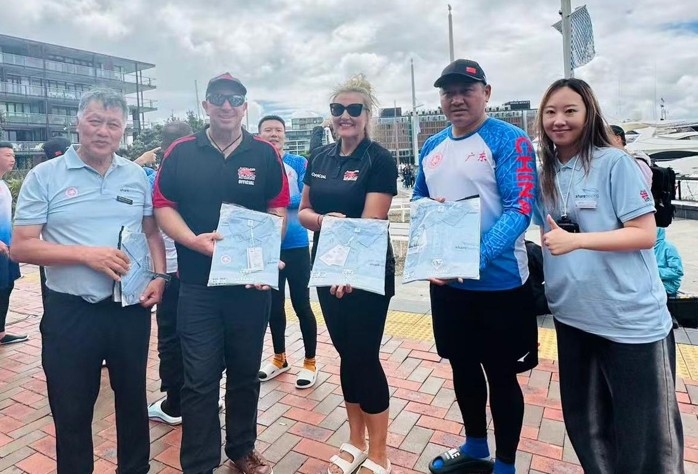
Auckland's dragon boating community is turning a local harbour sport into a wider cultural exchange, with Westhaven Marina highlighting new links between the Auckland Dragon Boat Association and teams in southern China. Westhaven said ADBA representatives travelled to Guangzhou and Zhuhai as part of the Auckland Sport and Cultural Exchange Delegation after Guangzhou's Liede Dragon Boat Team visited the 2026 Auckland Anniversary Day Dragon Boat Regatta. That earlier visit was the first time the Liede team had raced in New Zealand, giving the Auckland clubs a practical starting point for a two-way relationship rather than a ceremonial one-off.
The founder element in the story is Wayne Huang, founder and chief executive of ShareBoating Ltd. Westhaven says Huang supported the growing relationship by introducing ADBA to the Liede Dragon Boat Team and helping establish the connection between the two dragon boating communities. That makes the article more than a sports-tour recap. It shows how a local operator with the right networks can turn a community code into a bridge between cities, volunteers, visitors and future competitors.
For Auckland paddlers, Westhaven is already central. The marina is where teams train, where new paddlers can first step into the sport and where the Waitemata Harbour gives the code one of the most recognisable settings in the city. Westhaven's account says the delegation discussed opportunities for more teams from Guangzhou and the Greater Bay Area to visit Auckland, while also creating pathways for Auckland paddlers to compete in China. Those pathways matter because dragon boating is both a sport and a cultural practice. Exchange can lift standards on the water while deepening the relationships behind the race calendar.
The city benefits when community sport builds international connections without needing a mega-event every time. Dragon boating does not have to fill a stadium to matter. It creates volunteer roles, club rituals, youth and adult participation, and reasons for visitors to engage with Auckland beyond the airport, hotel and conference route. If more Chinese teams visit Westhaven, the local effect could include training exchanges, regatta entries, cultural events and more attention on the harbour as an active sports venue rather than only a scenic backdrop.
There is also a practical Auckland infrastructure angle. Westhaven Marina is operated in the council family, and its support signals how public waterfront assets can host sport, culture and international relationships at the same time. The article says Westhaven is proud to support a community building friendships, cultural connections and opportunities beyond the shoreline. That is a broad claim, but the detail behind it is specific: actual team visits, actual travel by Auckland representatives, and named work by Huang to connect the parties.
The next measure of success will be whether the relationship produces repeat visits and clear opportunities for paddlers. A single exchange can be valuable, but a durable sporting link needs calendars, hosts, funding, safety planning and people willing to keep organising after the novelty fades. For now, the Westhaven update gives Auckland a positive sport-and-community story: a harbour-based code using founder-led connections to put local paddlers into a wider Pacific and Asian conversation.