Health and food safety authorities are investigating a norovirus outbreak linked to Valentines in Manukau after 15 people reported gastroenteritis symptoms following a visit to the buffet restaurant on 12 June. Reports citing the National Public Health Service say the affected diners all visited the restaurant on that date, and that the illness has been identified as norovirus.
The confirmed public details need careful handling. A reported outbreak does not automatically mean a restaurant caused the virus through poor food handling. Norovirus spreads easily through contaminated food, surfaces and person-to-person contact, and it can be difficult to identify the source after the fact. That is why the investigation matters: authorities need to work out whether the source was food, a surface, an infected person, or another route.
Indian Weekender, citing Stuff, reported that Auckland Council and the Ministry for Primary Industries visited Valentines on 18 June after MPI notified the council on 17 June of a suspected gastrointestinal outbreak connected to diners from 12 June. The same report said the council food safety officer found no food safety issues during the visit and that the restaurant's food safety grade was not affected.
That inspection detail is important for readers because it keeps the story proportionate. The absence of food safety issues during a later inspection does not prove no transmission occurred on 12 June, but it does mean officials did not report immediate food safety breaches when they checked the premises. New Zealand Food Safety has said authorities are working with the business, Auckland Council and the National Public Health Service to determine the source and put corrective actions in place if needed.
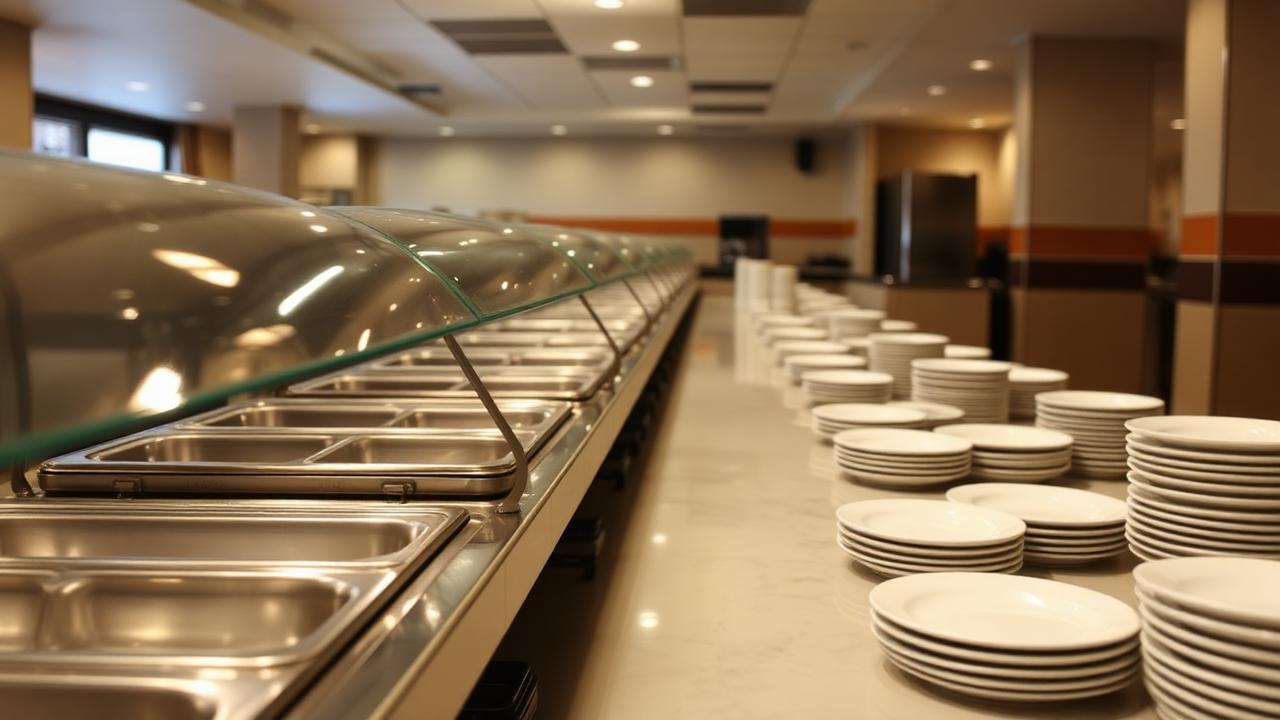
The public health issue is especially relevant for buffet dining. Buffets involve shared serving areas, repeated handling of utensils, high customer movement and long service windows. Those features do not make buffets unsafe by default, but they mean hygiene systems have to work consistently. Hand washing, staff illness policies, surface cleaning, food temperature control and rapid response to symptoms all matter.
Valentines has told media it cooperated with authorities and provided requested information. Reports also say the business stated staff had not reported illness and that it had served many customers since 12 June without the same scale of complaints. Those are relevant claims from the restaurant, but they do not close the investigation. The source of norovirus can be hard to pin down, and public agencies are the ones responsible for the final assessment.
For customers, the practical advice is not panic but caution. Anyone who ate at the venue around the relevant date and became unwell should follow public health guidance, stay home while symptomatic, wash hands thoroughly with soap and water, and seek medical advice if symptoms are severe, prolonged or involve vulnerable people. Alcohol hand sanitiser can help in some settings, but soap and water are especially important with norovirus.
The story also offers a reminder for Auckland food businesses. A single illness cluster can quickly become a public trust issue, even where a later inspection finds no obvious fault. Clear communication, documented cleaning, staff sickness rules and cooperation with authorities are not paperwork extras. They are part of how restaurants keep customers safe and preserve confidence when something goes wrong.