Henry Onesemo's Tala has given Auckland one of the clearest local stories from New Zealand's first Michelin Guide, with the Parnell restaurant recognised among the inaugural one-star restaurants and widely noted as a historic moment for Samoan fine dining. 1News reported that 15 New Zealand restaurants received Michelin stars at the Auckland ceremony, and that one Auckland restaurant made Michelin history by receiving the first-ever star for Samoan food.
The founder story is central. The Best Chef profile describes Onesemo as a Samoan chef and founder of Tala in Auckland, known for fine-dining interpretations of Samoan cuisine that blend tradition, memory and contemporary technique. The same profile lists Tala at 235 Parnell Road and describes Onesemo as executive chef and owner of what it calls the world's only fine-dining Samoan restaurant.
Michelin's inaugural New Zealand selection gives the recognition its wider setting. The guide says the 2026 debut covers 110 establishments across Auckland, Wellington, Christchurch and Queenstown, with one two-star restaurant and 14 one-star restaurants. In Auckland, the one-star list includes Tala alongside Ahi, Paris Butter, Mudbrick and Tantalus Estate. For a city that often measures dining status through local awards and word of mouth, Michelin's arrival adds an international layer.
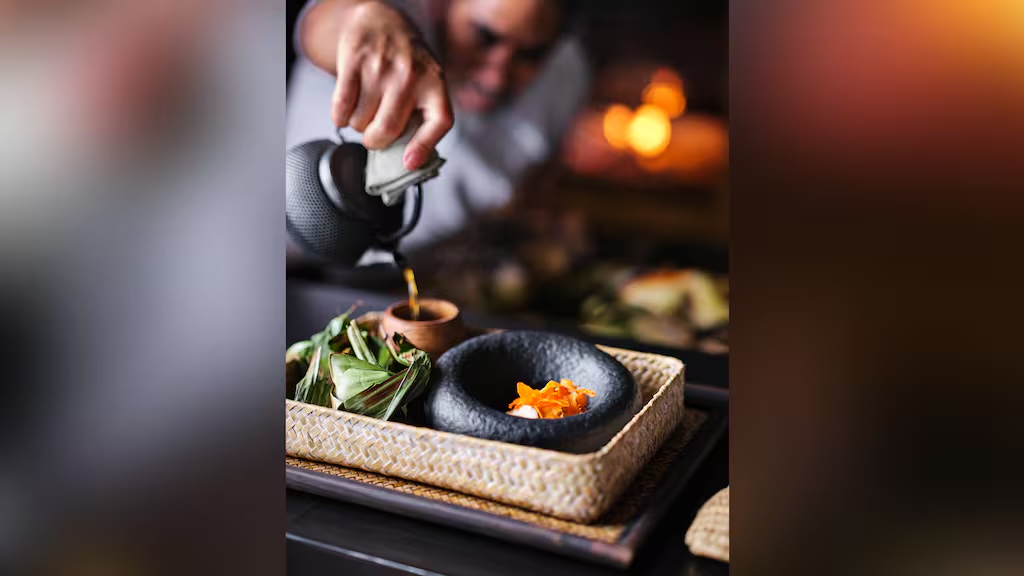
Tala's significance is not just that it is small and acclaimed. It is that Onesemo has built a fine-dining language around Samoan ingredients, techniques and memory without treating culture as decoration. Time's 2026 World's Greatest Places profile described his 20-seat restaurant as a place where modern technique is applied to ancient Samoan ingredients and stories of home are told through food. That framing helps explain why this recognition has travelled beyond normal restaurant-news circles.
Auckland's dining scene has had strong restaurants for years, but international guides can change how visitors and locals allocate attention. A Michelin star can lift bookings, sharpen tourism interest and pull overseas diners toward restaurants they might otherwise miss. For Tala, the effect may be even more concentrated because the restaurant is intimate. A small room cannot absorb unlimited demand, so the recognition could make reservations harder while also widening the audience for Pasifika-led fine dining.
The local business lesson is broader than one restaurant. Auckland's hospitality economy is strongest when it is not trying to imitate a generic global luxury format. Tala's recognition suggests international inspectors saw value in place-specific cooking and cultural confidence. That matters for other food founders, especially those building from Pacific, Māori, Asian and migrant culinary traditions. The route to global attention may be through sharper local identity, not through sanding it down.
The Michelin list also gives Auckland several different dining stories at once. Ahi's fire-led New Zealand cooking, Paris Butter's contemporary tasting menu, Waiheke's vineyard restaurants and Tala's Samoan fine dining all sit in the same first-year guide. That range is useful for the city because it shows visitors that Auckland dining is not one style, one waterfront image or one price point.
For Onesemo, the award is a founder milestone. For Auckland, it is a signal that the city's food culture can carry international weight when it is specific, disciplined and rooted in lived culture. Tala's next challenge is the hardest one any acclaimed small restaurant faces: protecting the experience that earned the attention while the attention itself grows.