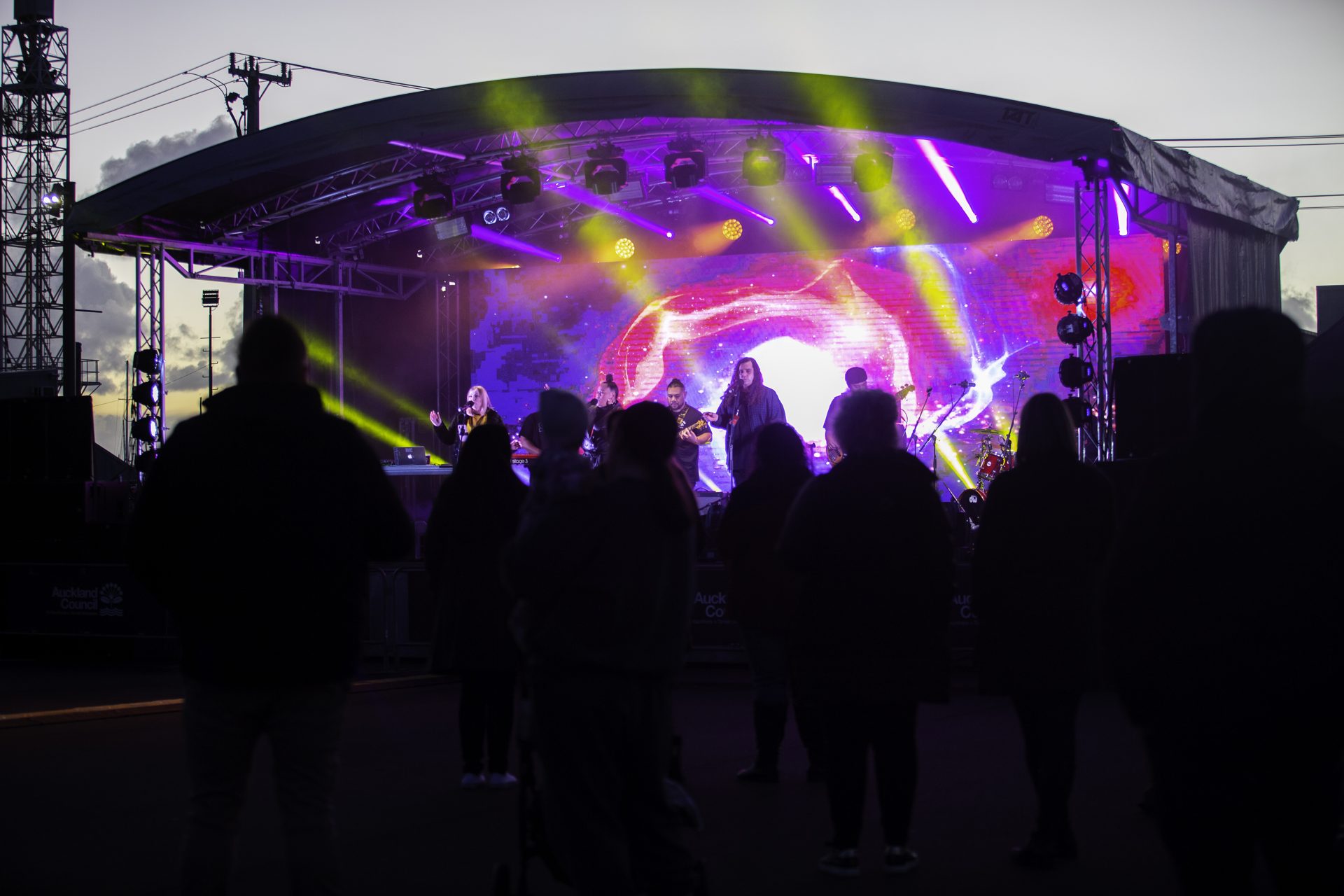
Auckland's Matariki Festival reaches its closing weekend today with Te Korakora ki Waihorotiu at Queens Wharf, a free afternoon event built around music, kai, performance, art and city-centre gathering. OurAuckland lists the event for Saturday 18 July from 2pm to 7pm, and describes it as the festival's closing celebration with a line-up honouring the past, present and future.
The event is one of the clearest reasons for Aucklanders to treat Matariki as an active season rather than a single public holiday. Auckland Unlimited's programme material says Matariki Festival 2026 includes more than 100 events across Tamaki Makaurau and identifies Te Korakora ki Waihorotiu as the third pou event, closing the festival at Shed 10 on Queens Wharf. That gives the waterfront a civic role at the end of the programme, not just a scenic one.
For residents, the practical appeal is straightforward. The event is free, central and timed for the afternoon into early evening. That makes it accessible for families who may not want to be out late, for people who are already in the central city for markets or shopping, and for visitors looking for a cultural event that does not require complex planning. Discover Auckland's listing points to Maori kai trucks and activations, reinforcing that the event is meant to be participatory rather than only watched from a distance.
The Queens Wharf setting gives the closing event a strong Auckland identity. The wharf sits between ferry connections, the waterfront, Britomart, Commercial Bay and the city centre. When events work there, they can pull together people arriving by ferry, train, bus, bike or on foot. That matters on a weekend when the city is carrying several major events and residents need simple choices that do not add unnecessary transport pressure.
The cultural framing also needs to stay visible. Te Korakora ki Waihorotiu is part of a festival proudly presented by Ngati Tamaoho in collaboration with Auckland Council Events. The closing event should therefore be understood as part of a broader programme of storytelling, remembrance, learning and celebration rather than as a generic winter entertainment slot. For readers, that distinction matters because it helps set the tone for attending with respect.
Auckland's challenge with major civic programmes is always spread. Events need to reach neighbourhoods, not only the central city, while the central city still needs shared moments that residents recognise as belonging to the whole region. Te Korakora gives the city one of those shared closing moments. The best advice for anyone considering going is to check transport, dress for winter conditions near the harbour, arrive with time to move through the wharf area, and treat the event as the final weekend marker for a large, region-wide Matariki programme.
The timing also gives the programme a clear finish rather than a slow fade. That matters for audiences and organisers alike. A defined closing event helps people decide when to take part, helps media and community groups explain what is still current, and gives participants a shared final memory of the festival. In a city with many competing calendars, a strong closing point can make a cultural season easier to recognise and remember.