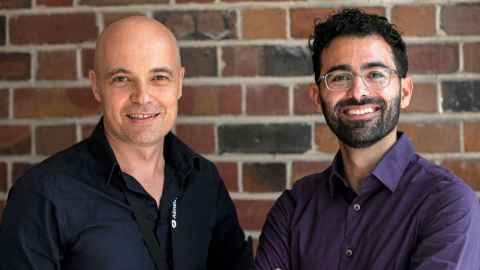
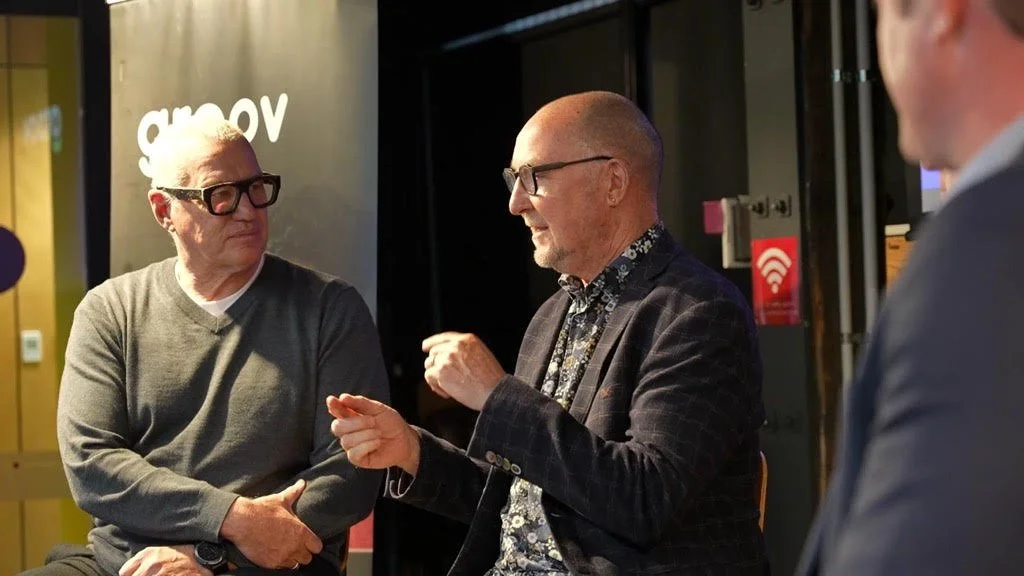
Groov co-founder Sir John Kirwan has put a founder-led Auckland health technology story back into the public conversation after new data from Ask Groov showed more than 12,000 AI conversations since the tool launched with Health New Zealand in October 2025. The company said the data gives a rare real-time view of what New Zealanders ask for when mental wellbeing support is available privately, safely and around the clock.
The source material matters because this is not only a product update. It is a local business and public-health story about how a New Zealand-founded wellbeing company is trying to sit between everyday stress and formal mental health services. Groov says Ask Groov is Health New Zealand's first endorsed AI-powered wellbeing guide for adults. It was built from clinically reviewed wellbeing content, with support from Health New Zealand and oversight from the National AI and Algorithm Expert Advisory Group.
Kirwan, who co-founded Groov and has long campaigned around mental health, said the data reinforces the need for preventative support. The strongest signal is not that people are replacing doctors or counsellors with a chatbot. It is that many users appear to be asking for practical help with sleep, stress, anxiety and everyday pressure before problems become more serious. That is a useful distinction for Auckland founders building health technology: access, trust and safety are the product, not just the software interface.
Groov said Ask Groov is designed differently from general-purpose AI tools because its responses are drawn from approved content and include safeguards that direct users to human services such as 1737 when more support is needed. The company also said recent independent reviews, including security penetration testing, a Privacy Impact Assessment and an ISO 27001 audit, returned no high-risk findings. Those details are important because AI in health carries obvious trust risks. A wellbeing tool must be judged not only on convenience but on clinical boundaries, privacy and whether users are moved toward human help when needed.
The company has also launched AI Health Coach inside the app. Groov said the feature generated 4,455 AI conversations in its first two months and helped users create personalised action plans. The most interesting point is that movement and exercise emerged as the most common action-plan category even though it was rarely the first issue people raised. That suggests people may arrive with stress or sleep concerns, then leave with a practical plan that includes behaviour change.
For Auckland's business community, the story is a reminder that founder-led companies can operate in sensitive public systems if they build around evidence and accountability. Health technology cannot be treated like another consumer app. It needs clear escalation paths, strong data governance and humility about what technology can and cannot do. The opportunity is large because demand for support is large. The risk is equally real because users may be vulnerable.
Kirwan's founder role gives the story a human centre. Groov is not a faceless overseas AI platform chasing a health trend. It is a New Zealand company attached to a public mental-health figure, working inside a national wellbeing partnership and now publishing usage data that can be tested over time. The next question is whether the tool continues to improve user outcomes while keeping trust intact. That is where the Auckland startup lesson sits: early mental health support is valuable only if people can believe the system behind it.