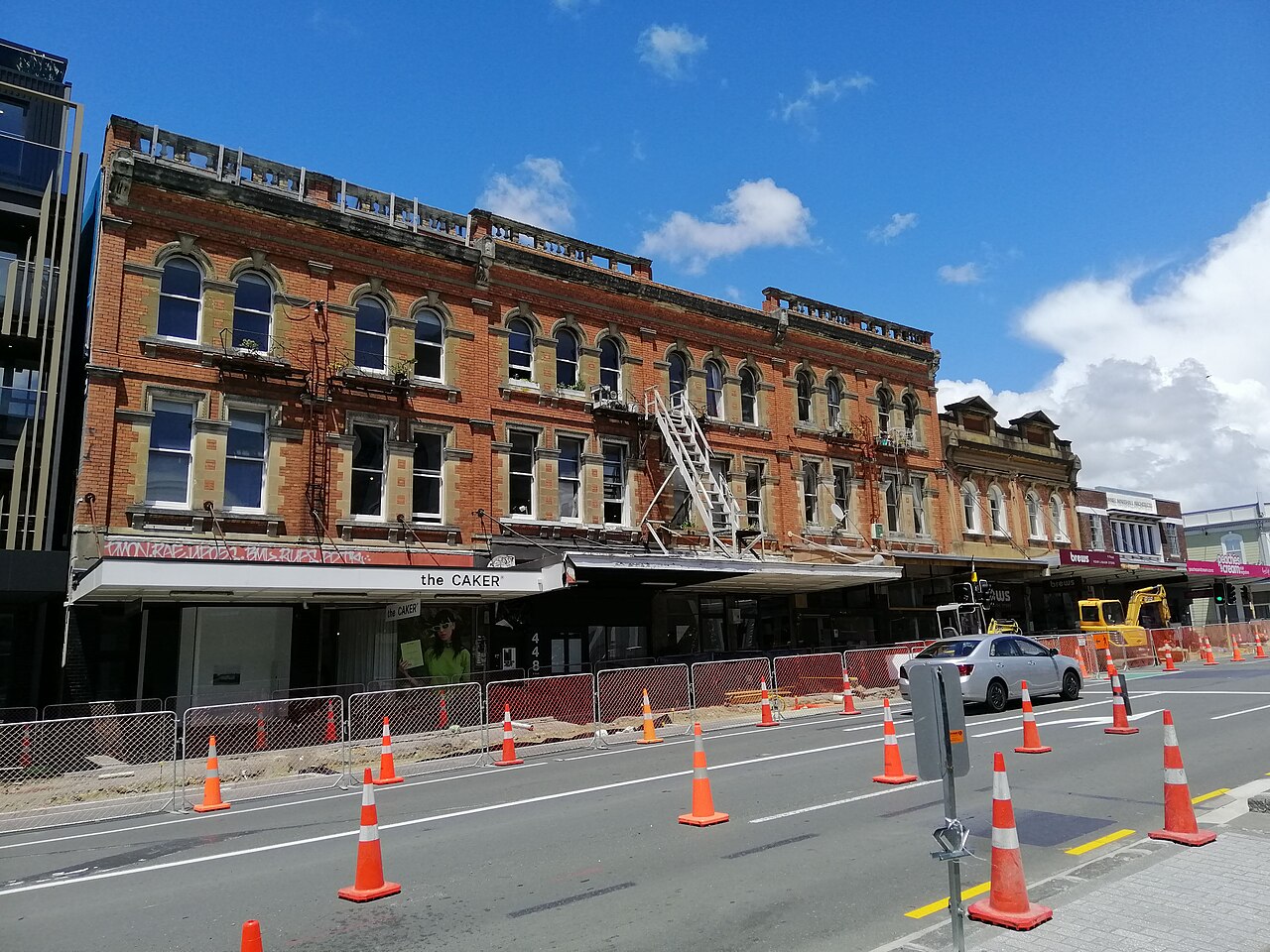
Karangahape Road has been handed another hard reminder that Auckland's culture economy still depends on ordinary cash flow. 1News reported at 7:12pm on Saturday that two K Road businesses have announced closures in recent days, adding to a wider run of pressure on hospitality, retail and music venues. The live music venue Neck of the Woods said it would close next week after 11 years, while independent record shop Flying Out also said it was folding.
The closures matter because K Road is not just another shopping strip. It is one of Auckland's most visible cultural streets, a place where music venues, bars, eateries, independent retailers, community spaces and late-night foot traffic overlap. When a venue such as Neck of the Woods closes, the loss is not only a tenancy. It removes a stage, a meeting point, a place for emerging artists, and part of the informal network that keeps a city centre alive after office hours.
The 1News report said Neck of the Woods pointed to post-Covid pressure, weaker bar sales and mounting debt. The venue's statement said sold-out shows could make a club look healthy from the outside, but the business still lived or died by bar sales. That distinction is important for Auckland readers. A packed room can still be financially fragile if operating costs, wages, rent, insurance, compliance and debt are moving faster than customer spend.
Flying Out's explanation widened the story beyond one venue. The record shop cited the pandemic, festival cancellations, roadworks, City Rail Link construction and the broader economic downturn as an "unpleasant perfect storm". Those factors have hit different K Road operators in different ways, but together they show why a reopening city has not automatically meant a recovered city. Foot traffic can return too late for businesses that have already carried years of disruption.
1News also reported that Verona Cafe and Bar had recently gone into liquidation after 34 years. Crushes retail manager Aellerie Konia-Store described sadness on the road and said the closures were a loss for the culture of the area. Centrix data cited in the report put hospitality liquidations up 49 percent nationally in the year to May and retail closures up 37 percent. Those figures make the K Road story part of a national business pattern, not only a local mood.
There is still a possible turn. Green Dolphin Bookshop co-owner Roy Ward told 1News he had seen more foot traffic and believed the area was coming up, even before the City Rail Link opens. That is the central tension now. The CRL may eventually help K Road by bringing more people closer to the precinct, but some businesses will not survive long enough to benefit from that lift.
For Auckland, the practical lesson is direct. Cultural districts are built over years but can lose anchors quickly. If the city wants K Road to remain more than a corridor of memories, public agencies, landlords, event promoters and customers all need to understand that recovery is uneven. The next few months will show whether improved access and spending arrive quickly enough for the remaining operators.