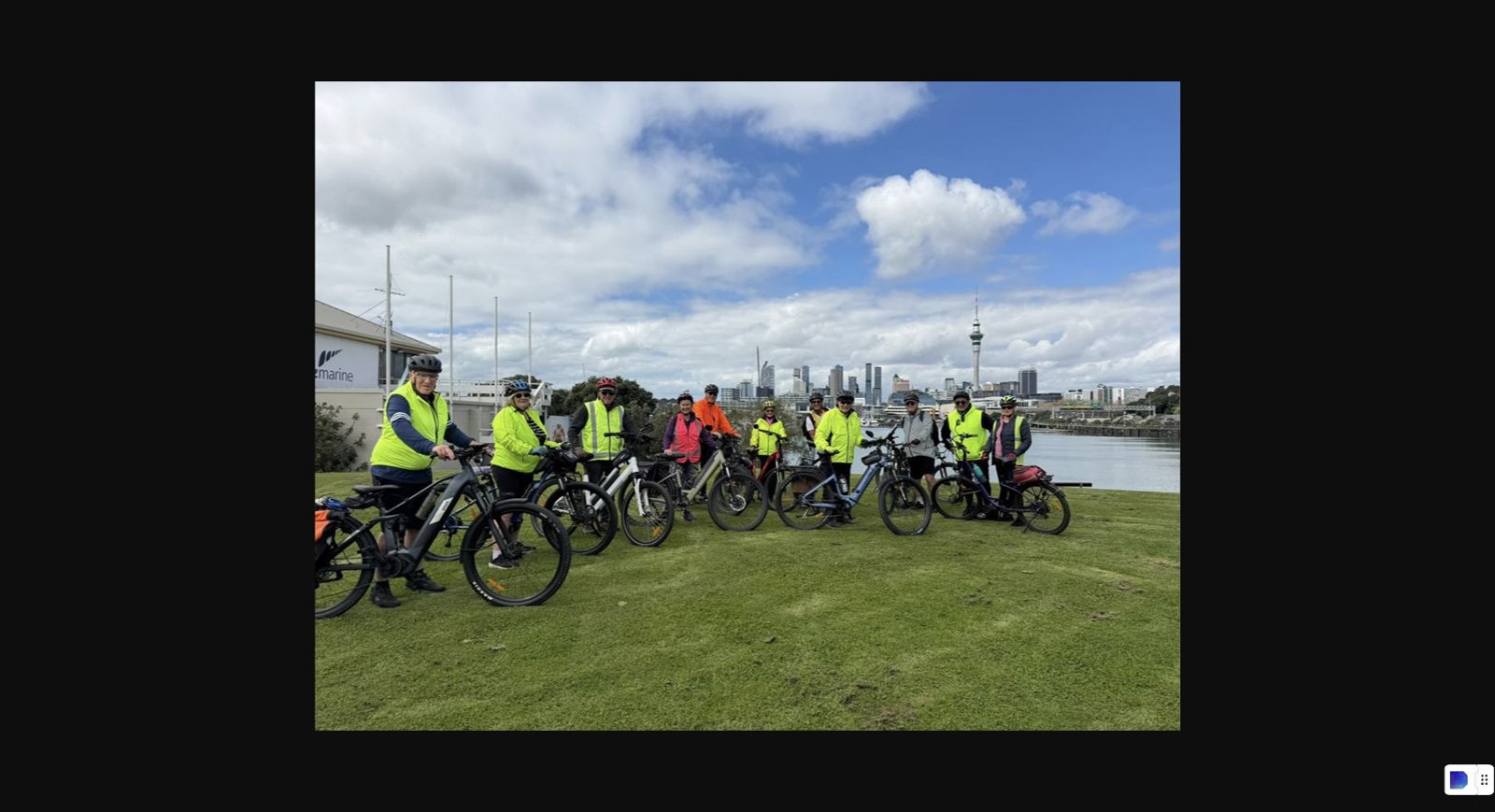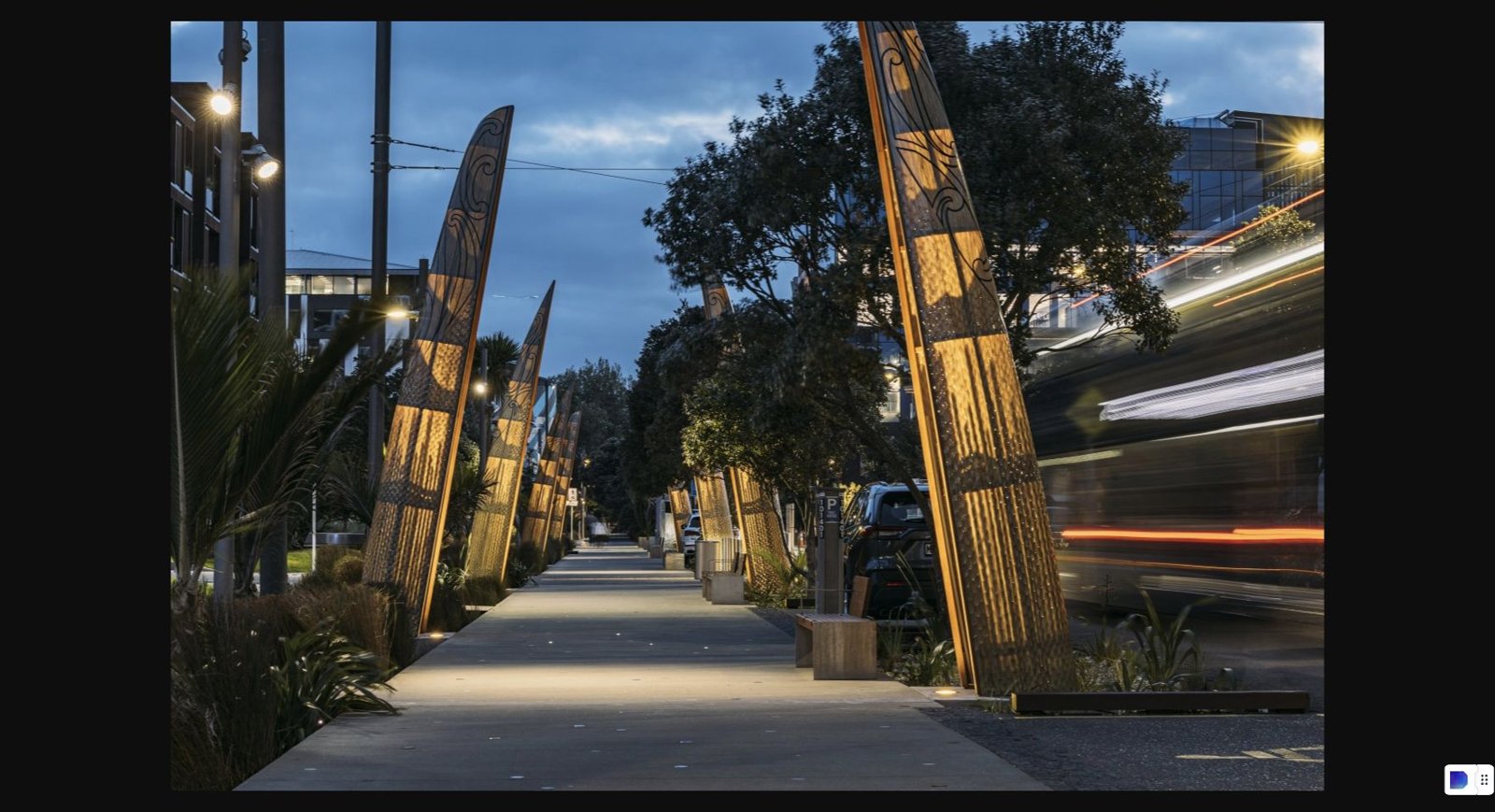

Central Interceptor Puts Auckland Harbour Water Quality Back in Focus is today's Auckland story for The Auckland Loop because it gives Aucklanders something specific and current to work with. Auckland Council reported that the 16.2 kilometre Central Interceptor wastewater tunnel is set to improve inner-harbour water quality by reducing overflows. The local significance is simple: harbour quality is not only an environmental issue, it affects swimming, sailing, public confidence and the value Aucklanders place on their coastline.
The confirmed detail matters. The council said the northern half of the tunnel is expected to go live in late July 2026, making the tunnel fully operational. The project runs from Point Erin in Herne Bay to the Mangere Wastewater Treatment Plant and includes deep tunnel sections beneath the city and harbour. Those points set useful boundaries around the story: this is not a rumour, a social-media reaction, or a recycled national headline loosely attached to Auckland. It is a local item with dates, places, institutions and practical consequences.
The story also gives residents a practical reminder that large public works can be invisible until they change everyday conditions. A tunnel under the city does not have the daily visibility of a road closure, but it can shape beach warnings, long-term growth and how Auckland handles combined wastewater and stormwater pressure. Auckland readers are usually best served when a story explains what has changed, what is still pending, and what can be checked before people make plans. That is especially true in winter, when transport, events, household budgets and public works all compete for attention.
Auckland Council and Watercare say the completed system is expected to reduce overflow pressure on central beaches from St Marys Bay to Point Chevalier. The council article says the southern half had already prevented an estimated 450,000 cubic metres of wastewater and stormwater from spilling into the environment as of March. The wider point is that the headline is only the start. A daily local site should turn the available source material into a clear reading of what is happening without pretending to know more than the source material supports.
For readers, the practical takeaway is direct. Aucklanders should watch the late-July commissioning date and the follow-up data on Safeswim and wastewater overflows, because that is where the promised water-quality gain will become visible. If the item affects a trip, check the route and timing. If it affects a public event, confirm the venue, cost and weather. If it affects property, business or infrastructure, watch delivery and numbers rather than relying on slogans.
The story should not be oversold as instant perfection; Auckland Council itself notes that more wastewater and stormwater work is planned over the next 30 years. That discipline matters because Auckland stories often sit across several categories at once. A transport change can affect sport crowds. A weather window can affect events and hospitality. A property market update can affect household confidence, construction plans and council priorities.
There is also a clear editorial limit. The available reporting supports the facts in this article, but it does not justify inventing public reaction, adding unsupported claims, or quoting people who were not quoted on the record. The safest local coverage is specific, useful and restrained.
On that basis, this story earns its place in today's pack. It is current enough to help with planning this week, local enough to matter to Auckland readers, and specific enough to be verified internally before publication.