The house did not look different from the outside. It sat on a South Auckland street that could have been mistaken for dozens of others, with weatherboards faded by time, grass running a little wild at the edges, and a front path beginning to crack.
But Gurtej had been briefed before he arrived. This was not a standard booking, and it was not a job that would end with an invoice.
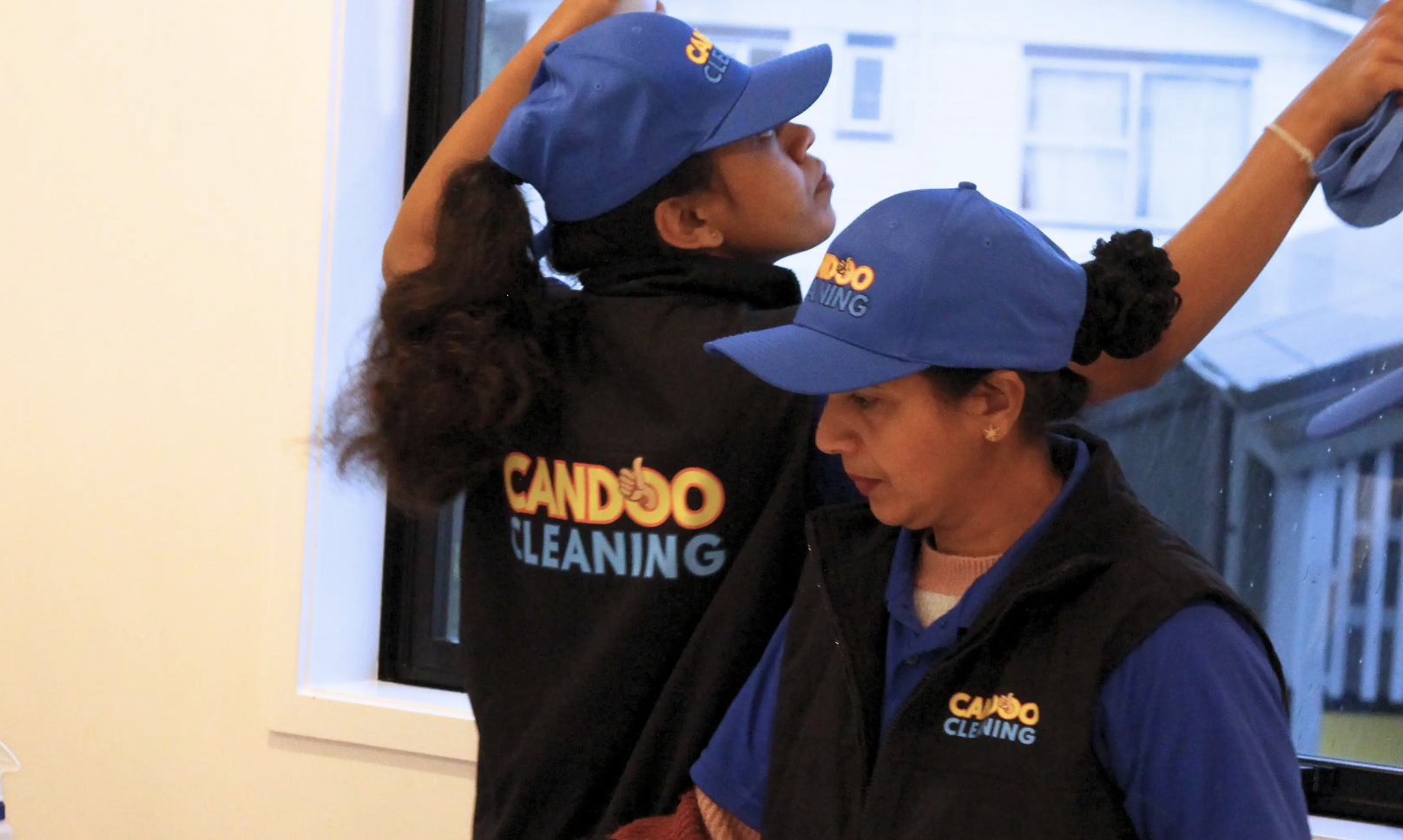
Gurtej runs a Candoo Crew franchise in South Auckland, part of a growing network of owner-operators working across residential lawn, garden, and property maintenance. Most weeks follow the same rhythm. Turn up on time. Do the work properly. Build trust. Grow the round.
Every so often, though, a booking lands that sits outside the usual flow entirely.
Through the Candoo Good Project, Candoo Crew's structured community initiative, Gurtej is occasionally sent to a property where the homeowner pays nothing. Candoo covers his time at the standard rate, just as it would for an ordinary commercial or residential job. He arrives, does the same work he would do for any paying client, and leaves with the property in better shape than he found it.
"First time they told me about it I was like, okay, cool, no problem," he says. "But then you go to the house and you see what's going on for them and yeah, it's not the same as a normal job."
The South Auckland referrals Gurtej receives come through Buttabean Motivation, the community health and wellbeing organisation that supports people working through major physical, emotional, and financial challenges. Through that partnership, the Candoo Good Project reaches households where a basic clean-up or lawn job can mean far more than simple presentation.
It is through this work that some of Gurtej's most memorable jobs have happened.
One visit in particular has stayed with him. The man he was sent to help had suffered an injury that had permanently changed what he could manage around his own home. Everyday movement had become difficult. The usual cleaning and tidying tasks had slowly built up, not because they were ignored, but because they were no longer easy or sometimes even possible.
"He couldn't really walk around much. So the cleaning, the tidying, he just couldn't do it. It wasn't laziness or anything like that. He physically couldn't."
Gurtej and his team went in and handled it the same way they would any other job. They worked through the mess, brought the place back into order, and gave the homeowner back a level of comfort and dignity that had been slipping away.
"When we finished you could see it meant a lot to him. He didn't say too much but you could tell. The place was clean and he was happy."
That is the part Gurtej comes back to when he talks about the programme. From the outside, the structure is straightforward. There is a referral. There is a booking. There is a crew member paid for their time. There is a home that gets sorted. But the emotional weight of the work is different from the average stop in a normal workday.
For franchisees, the model is intentionally simple. There is no cost to the person receiving the service, and there is no financial penalty to the operator carrying out the work. Candoo pays the same standard rate it would pay on an ordinary job, which removes the tension that often sits behind charity-style labour and lets the work stay practical, professional, and repeatable.
What changes is everything around the task itself.
"You do your normal jobs and that's good," Gurtej says. "But these ones I think about more after. They make you feel good."
That response matters. In service industries, motivation and retention are often discussed as if they only come down to income, hours, or efficiency. Those things matter, but so does meaning. A programme like the Candoo Good Project gives operators a way to connect their everyday skills to something bigger than revenue. The same mowing, tidying, trimming, and cleaning work carries a different weight when it gives someone back a usable home environment at a moment they genuinely need help.
The programme now operates across Candoo's wider franchise network in New Zealand, linking crews with individuals and families referred through community partners. For the people receiving the service, it costs nothing. For the operator, it may only take a morning. For the person opening the door, the impact can last much longer than that.
That is also why the programme works as a local story rather than a marketing slogan. It is concrete. Someone needed help. A community organisation knew it. A crew turned up. The property was restored. No complicated theory is required to understand the value in that exchange.
In South Auckland especially, where community networks often step in long before formal systems do, practical support still carries its own kind of dignity. It is not loud. It does not need to be. Sometimes it is just a lawn brought back under control, a path cleared, a home made manageable again.
For Gurtej, those are the jobs that stay with him.
"It's the job I remember at the end of the week."
Name suppressed at interviewee's request.
Candoo Crew operates residential and commercial lawn, garden, and cleaning services across New Zealand through a franchise network. The Candoo Good Project connects franchisees with community partners to provide free services to individuals and families in need.