Auckland Council Libraries has added a new youth memoir to its collection, using its own publishing programme to put a young person's account of identity, grief and belonging in front of teen readers.
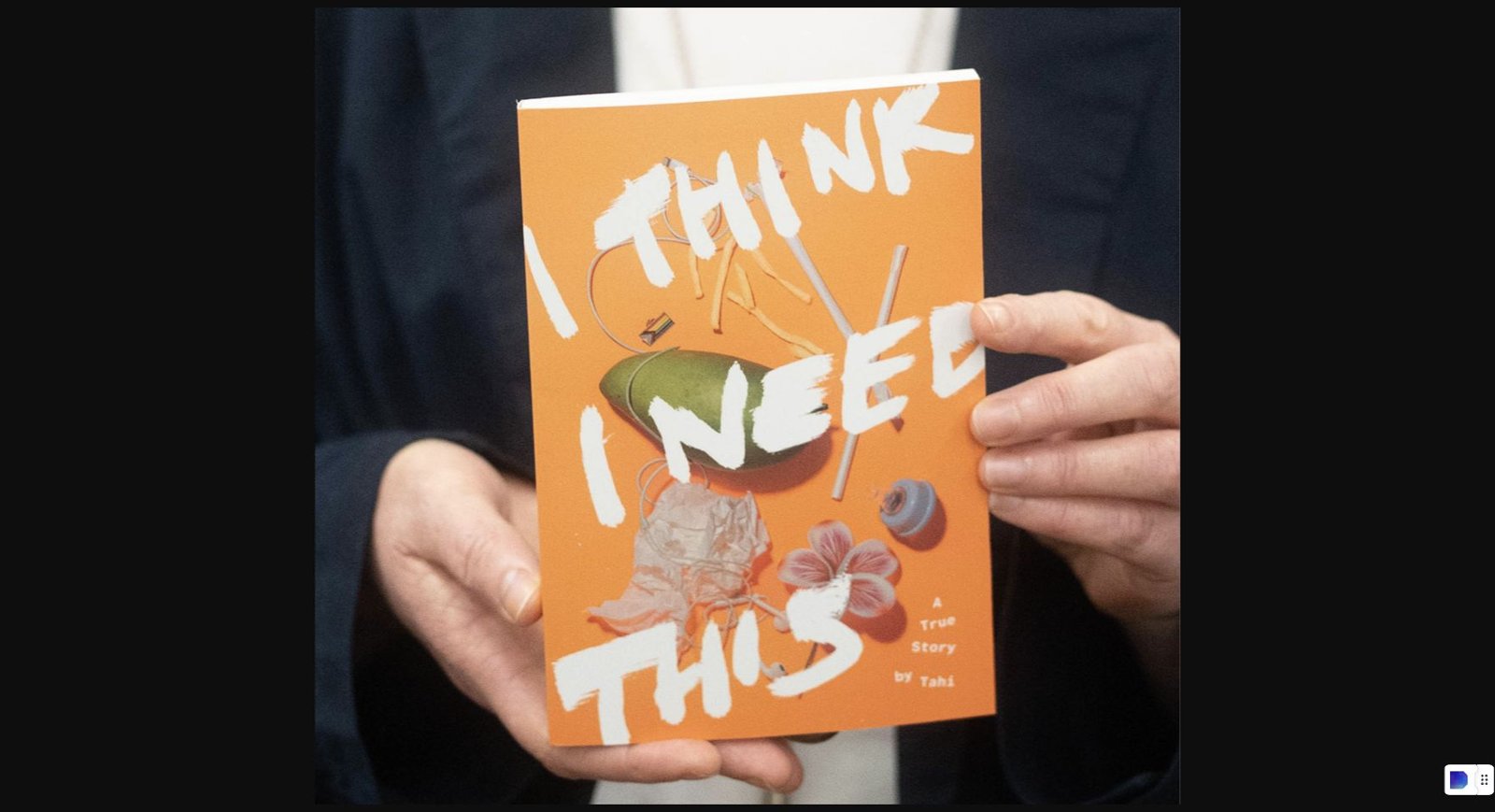
I Think I Need This: A True Story follows Tahi, a young person coming of age through family trauma, loneliness and uncertainty while searching for community and connection. The memoir was crafted from an interview with Tahi by journalist Kahu Kutia of Ngai Tuhoe.
The timing is deliberate. The book arrives during Mental Health Awareness Week in Aotearoa and deals with mental health, grief, LGBTQ+ identity, whanau dynamics, reconnecting with te ao Maori and the need for young people to see complex lives reflected honestly in the books around them.
For a public library system, that is more than another title on the shelf. Teen nonfiction memoirs are still less common than fiction, especially when they speak directly to identity, complicated family life and mental health. Auckland Council Libraries says its publishing programme is designed to fill collection gaps and create resources that reflect Auckland's communities.
The book also shows how local publishing can work when the subject is not a celebrity, institution or major anniversary. Tahi's story is intimate and personal, but the civic argument is broader: rangatahi who feel isolated may need stories that make difficult experiences legible without turning them into lectures.
Council library leaders have positioned the memoir as a resource for empathy and conversation, especially for teenagers navigating phases of life that can affect mental wellbeing. That makes the book part of a wider community role for libraries. They are not only places to borrow books; they are also public infrastructure for language, recognition and belonging.
I Think I Need This has a recommended retail price of $25 and is now free to borrow from all 57 Auckland Council Libraries. That wide availability is important. A book built around underrepresented experience only does its job if readers can actually get to it.
For Auckland, the publication is a small but telling example of local institutions using their reach to support stories that commercial publishing can miss. If the book finds its audience, its value will be measured not only in loans, but in whether a young reader recognises a part of themselves and feels less alone.