Auckland's creative sector has a new kind of commissioning opportunity: public-interest comics that explain health, science and social issues without flattening them into pamphlets.
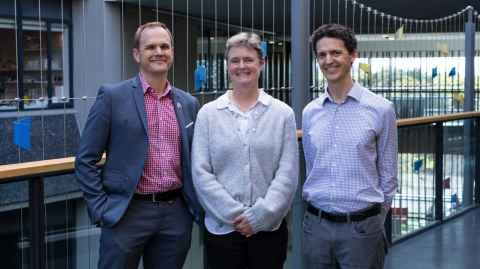
Comics CoLab, launched by University of Auckland media and screen studies professor Neal Curtis, is calling for artists and organisations with funded ideas. The project aims to connect people who have important information to share with comics experts and artists who can shape those messages into clear, audience-aware visual stories.
That makes this a creator story as much as an academic one. Comics CoLab is trying to build a bridge between researchers, clinicians, community organisations and artists. For creators, the promise is paid work on projects that require craft, cultural understanding and intellectual ownership. For client organisations, the pitch is that complex information can be easier to understand when it is structured as a story rather than a dense report.
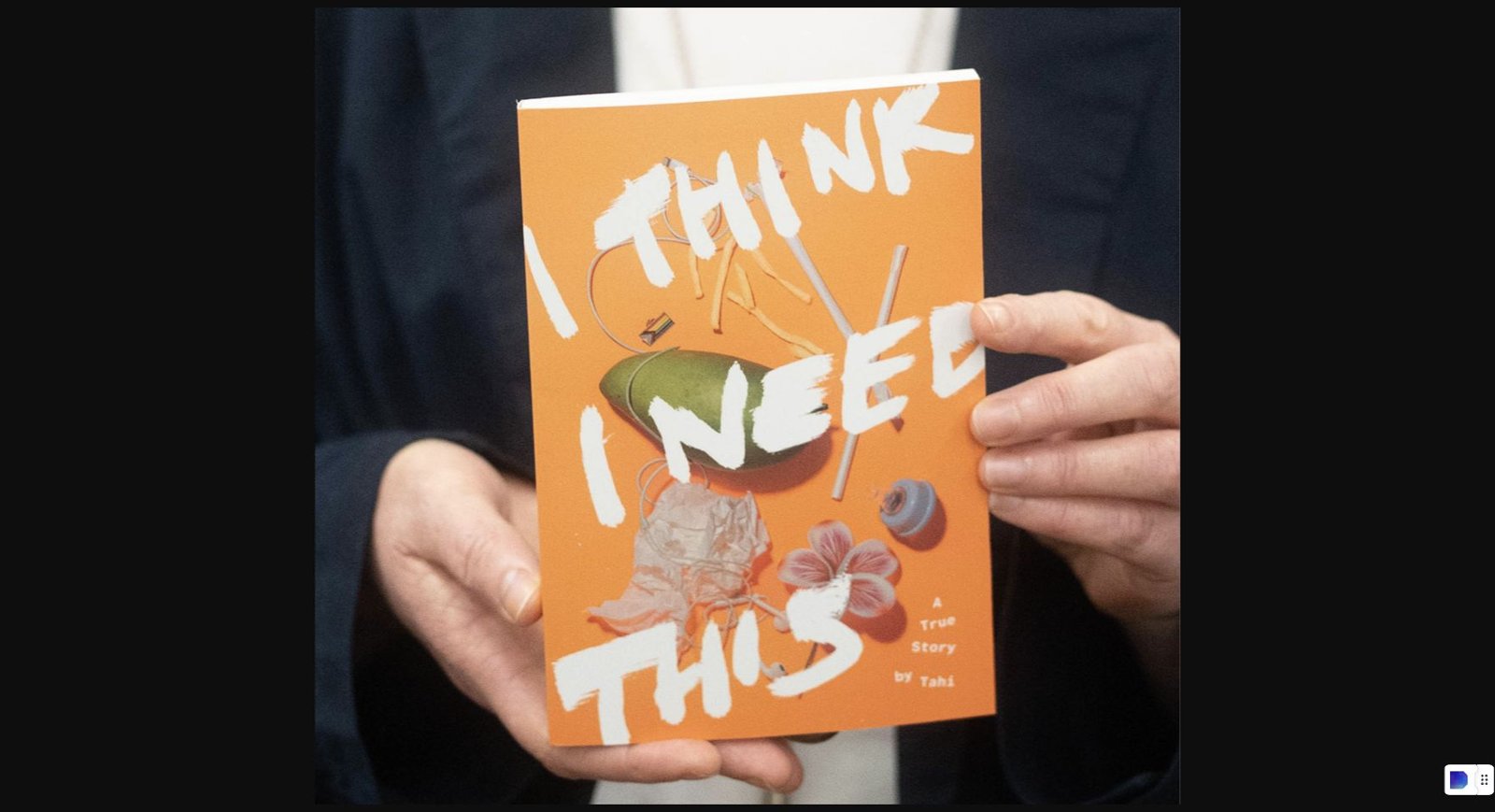
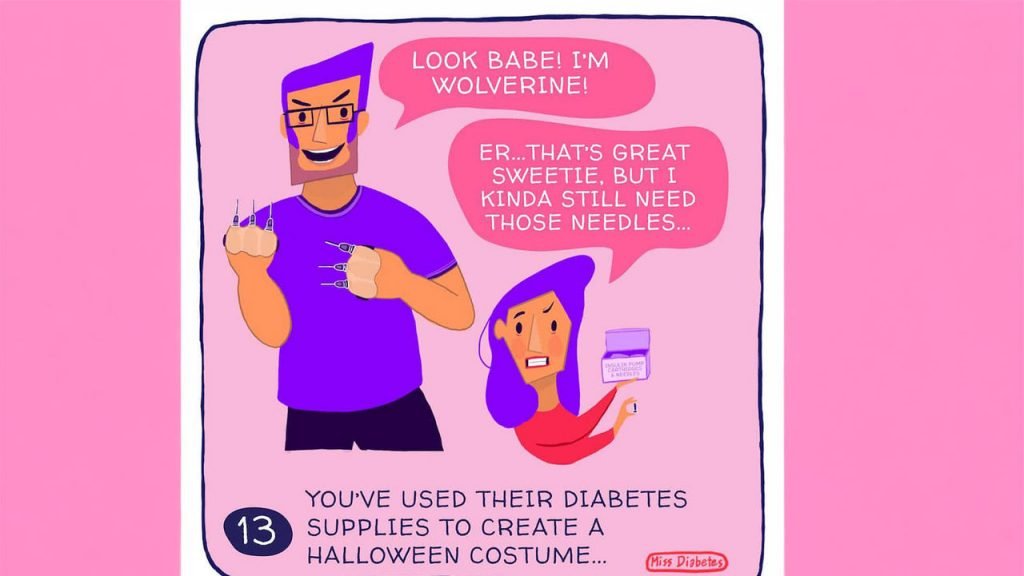
The project already points to graphic medicine as a useful model. Visual storytelling has been used to communicate experiences of illness, treatment and care in ways that ordinary clinical language can miss. The University of Auckland article cites work by artists including Janina Gaudin, also known as Miss Diabetes, and Hana Chatani, whose comics deal with health experience from the inside rather than from a distance.
The local opportunity is broader than medicine. The project also names examples involving community engagement, end-of-life care and homelessness research. Those are exactly the kinds of subjects where public communication can fail if it sounds too official or abstract.
There is also a timely industry concern underneath the launch. Generative AI has made many artists more worried about style theft, unpaid training data and lost commissions. Comics CoLab is positioning itself on the side of human artists by creating paid opportunities and treating the work as skilled communication rather than decoration.
For Auckland, the most interesting part is the mix of people the project needs next. It needs artists who want to work on public-interest stories, and it needs organisations with ideas and budgets that are ready to be translated into something people will actually read. If that mix comes together, Comics CoLab could give local creators a new route into work that is both practical and publicly useful.