Bookings have opened for annual inorganic collections across Waiheke Island, Aotea / Great Barrier Island and Rakino Island, with Auckland Council highlighting a reuse culture that makes the island service different from the mainland version.
The council's 2 October update says Hauraki Gulf Island residents tend to make things last. Items are often repaired, donated, shared or recycled before they reach the inorganic collection point, meaning the bulky goods collected through the service are more likely to be genuinely at the end of their useful life.
That distinction matters for island waste systems. Transport, storage and disposal are more complicated when communities are separated from the mainland, and local resource recovery centres become more than drop-off points. They are part of how useful materials stay in circulation.
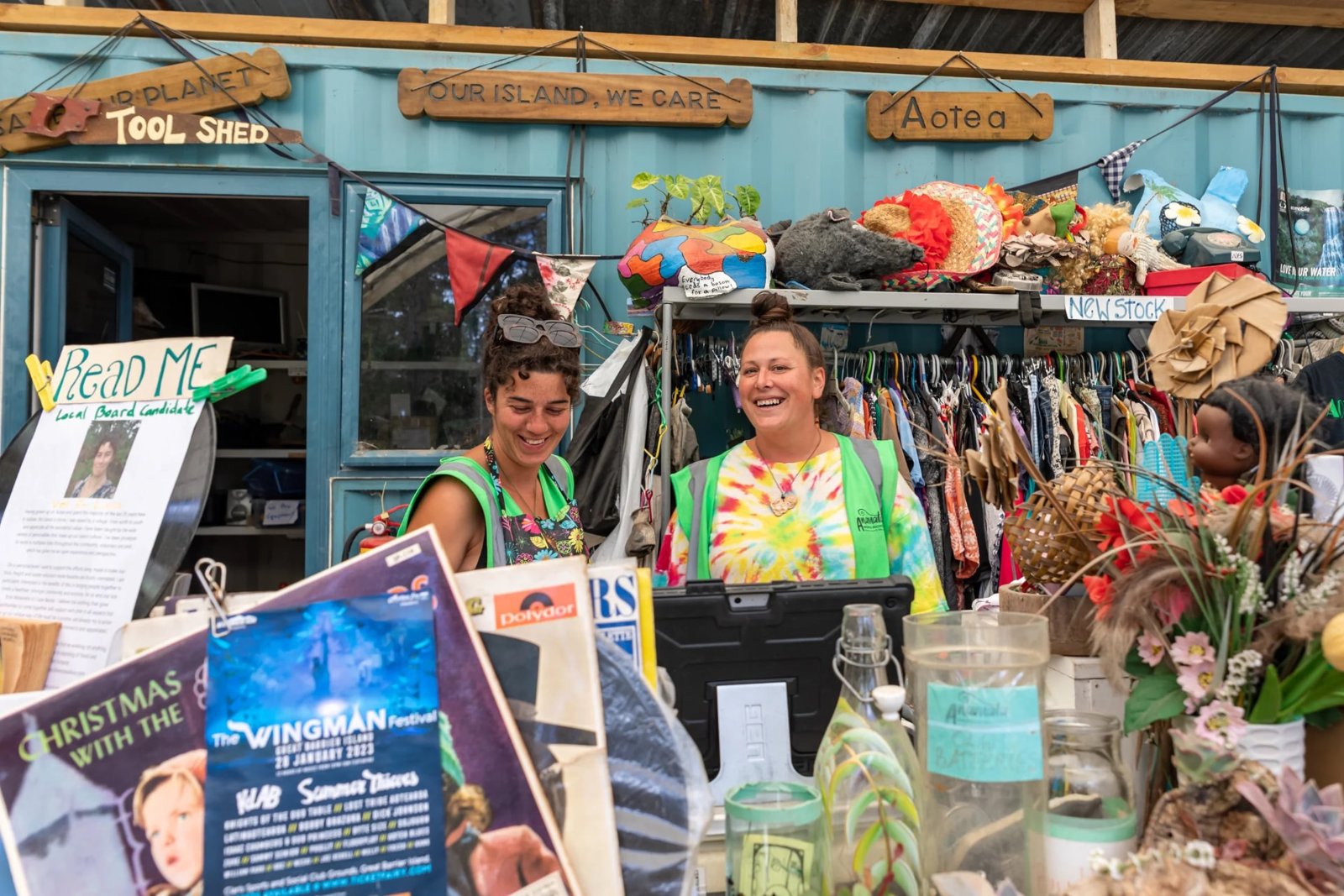
The council says any collected items that still have reuse value are assessed and managed through island facilities, including the Waiheke Community Resource Recovery Park and Community Recycling Centre, Anamata Community Recycling Centre on Aotea / Great Barrier Island, and the Home Bay collection compound on Rakino Island.
For residents, the immediate action is simple: book before the relevant area deadline closes. The service is for bulky household items that cannot be handled through normal kerbside collections, not a substitute for donation, repair or everyday recycling.
The wider Auckland lesson is also clear. Mainland inorganic collections often recover reusable items because households still put out goods with life left in them. The Gulf Islands story shows the opposite habit: squeeze more use out of things first, then rely on collection only when the practical options have run out.