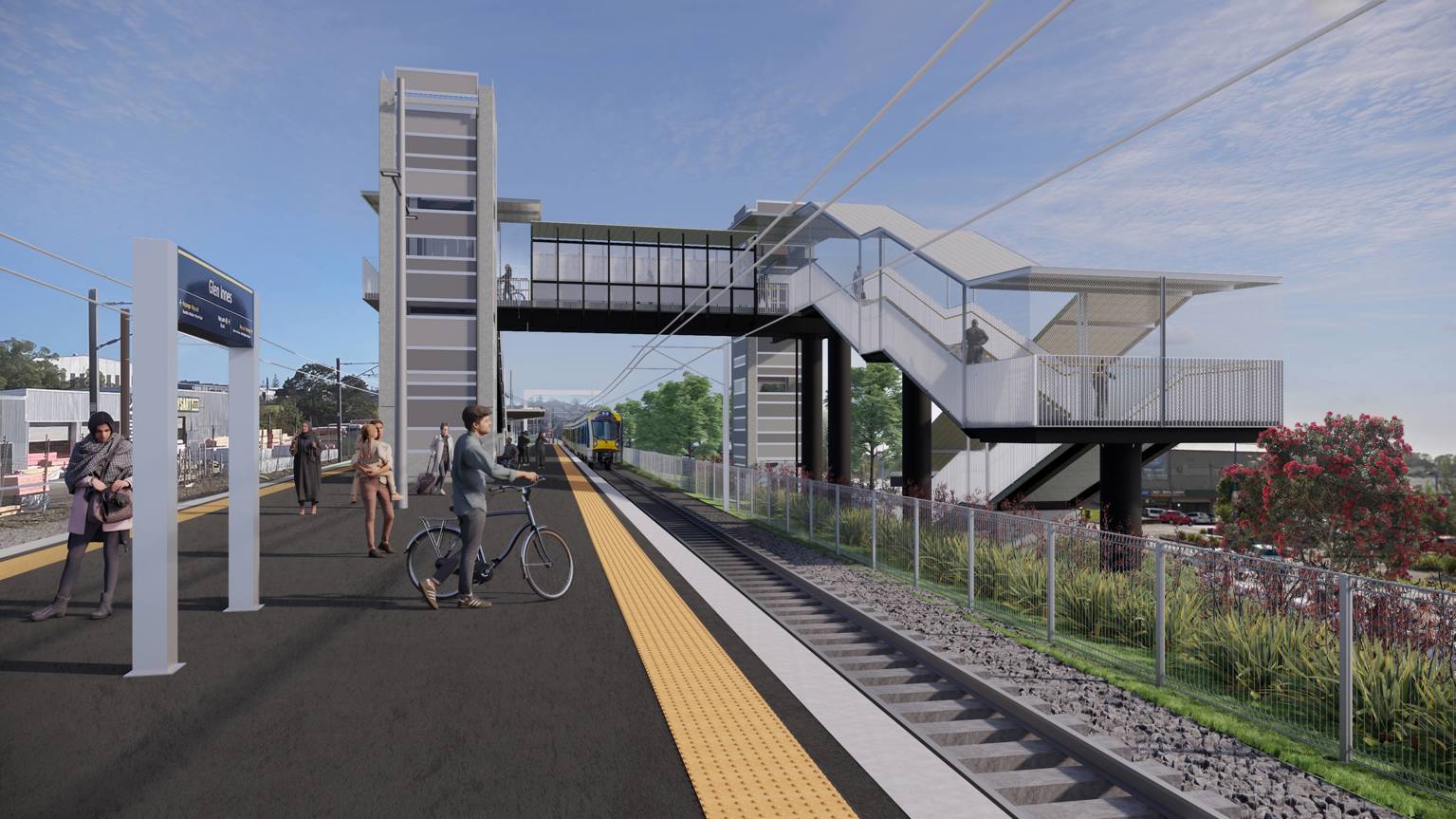
Auckland's rail-crossing programme has a concrete east Auckland milestone, with a new pedestrian bridge at Glen Innes train station now open and replacing two level crossings. Times and Scoop reports attribute the opening detail to Auckland Transport, saying the accessible bridge has stairs and large lifts and is part of the city's preparation for more frequent trains when the City Rail Link opens. For passengers, the change is not just a construction headline. It changes how people move through a busy station precinct.
The checked source material says the bridge replaces two rail level crossings where Auckland Transport recorded one fatality and 18 near misses since 2014. That is the strongest public-interest fact in the story. Level crossing work can sound like slow infrastructure administration, but the safety case is immediate when the history includes death and repeated near misses. A station access bridge is a physical answer to a recurring risk: separating people from live tracks while keeping the station usable.
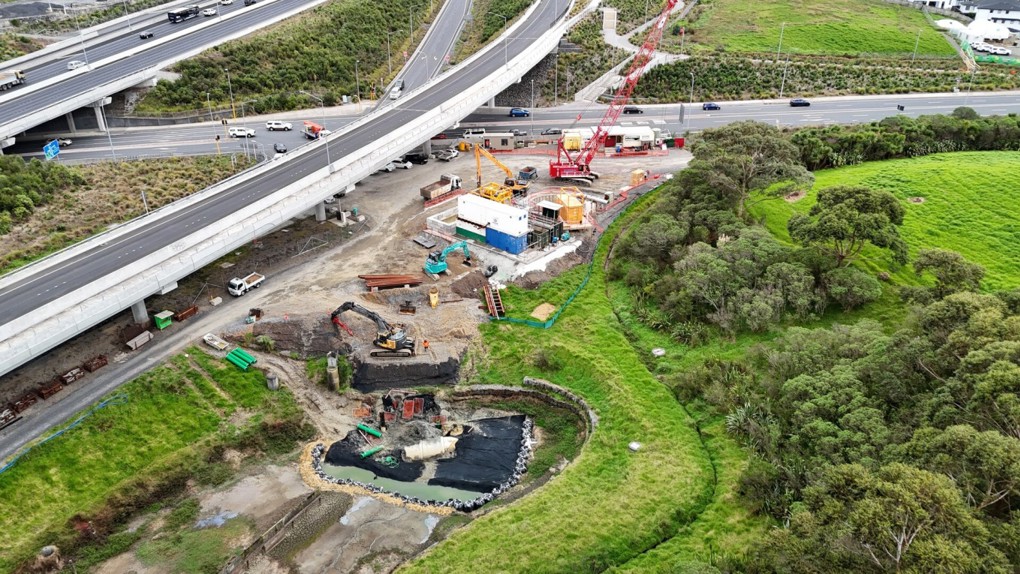
The project also sits inside a wider network problem. Auckland Transport says Glen Innes is one of three pedestrian bridges built in less than a year to support more frequent trains. The other station bridges at Te Mahia and Takaanini are expected to open in August and September. The timing matters because the City Rail Link is not only about new central city tunnels. Its benefits depend on the surface network being ready to run more trains without leaving risky pedestrian crossings in the way.
For Glen Innes, accessibility is central. The reports describe stairs and large lifts, while the Auckland Transport project page sets out a design intended to connect station access with walking, cycling, bus interchange and local paths. That detail matters because replacing a crossing with a bridge can create a new barrier if it is not designed for people with limited mobility, luggage, prams, bicycles or slower walking speeds. The success of the project will be judged not only by whether the bridge exists, but by whether daily users can move through it easily.
There are still local impacts to watch. The source material says the park-and-ride area affected by construction was due to reopen on Saturday 25 July, bike parking remains in its current location until upgrades are made, mobility parking will not be available until November while upgrades are completed, and a new pick-up and drop-off area is due before the end of the year. Those points are practical for commuters because the bridge opening does not mean every surrounding piece of the station project is finished.
Auckland Transport also says weather protection canopies and anti-climb or anti-throw screens are planned during a later rail closure, and that improvements have been made to the station underpass, including lighting, CCTV, asphalt, drainage and fencing. That creates a broader station-safety story rather than a single bridge story. The goal is to make the whole access environment feel less risky and more dependable before train frequency increases.
The Glen Innes bridge should also be read as part of a long programme rather than an isolated build. The reports say 16 Auckland rail level crossings have been closed or replaced over the past decade, and the wider programme will continue over a 10-to-30-year horizon with Auckland Council, Auckland Transport, KiwiRail and NZTA involvement. That scale explains why individual projects can feel slow: each crossing has local access, property, safety, traffic and funding consequences.
For today's Auckland reader, the practical takeaway is simple. Glen Innes has moved from a risk-managed crossing environment to a grade-separated station access point, but nearby parking and access changes still need checking before travel. For the city, the bridge is one more piece of the City Rail Link readiness puzzle. Safer access at stations will decide whether higher train frequency feels like a genuine upgrade or another pressure point in a network still catching up.