Auckland Council is asking households to stop putting soft plastics in kerbside recycling bins, after early-2026 figures showed contamination still placing a heavy cost on the city's recycling system. During the first six months of the year, kerbside recycling collected an average of 308 tonnes of material a day. Nearly a third of that, around 96 tonnes daily, was contamination that had to be sent to landfill.
The council says dealing with contamination costs about $3.5 million a year. Soft plastics and plastic bags are among the recurring problems, even when households are trying to do the right thing. Bread bags, produce bags, chip packets, frozen food bags, rice and pasta bags, bubble wrap and courier bags may feel recyclable because they are plastic, but they do not belong in Auckland's kerbside system.
The reason is mechanical as much as environmental. Auckland's recycling sorting facilities are designed for paper, cardboard, metal, glass and rigid plastics such as numbers 1, 2 and 5. Soft plastics behave differently. They can catch in machinery, disrupt sorting, slow production and contaminate bales of material that would otherwise have better recycling value.
That is the frustrating part for households. A single wrong item can reduce the value of a whole stream of otherwise useful material. The problem is not only that soft plastics are sent to landfill after collection. It is that they can make the system less efficient for the cardboard, bottles, cans and rigid containers that should be recovered.
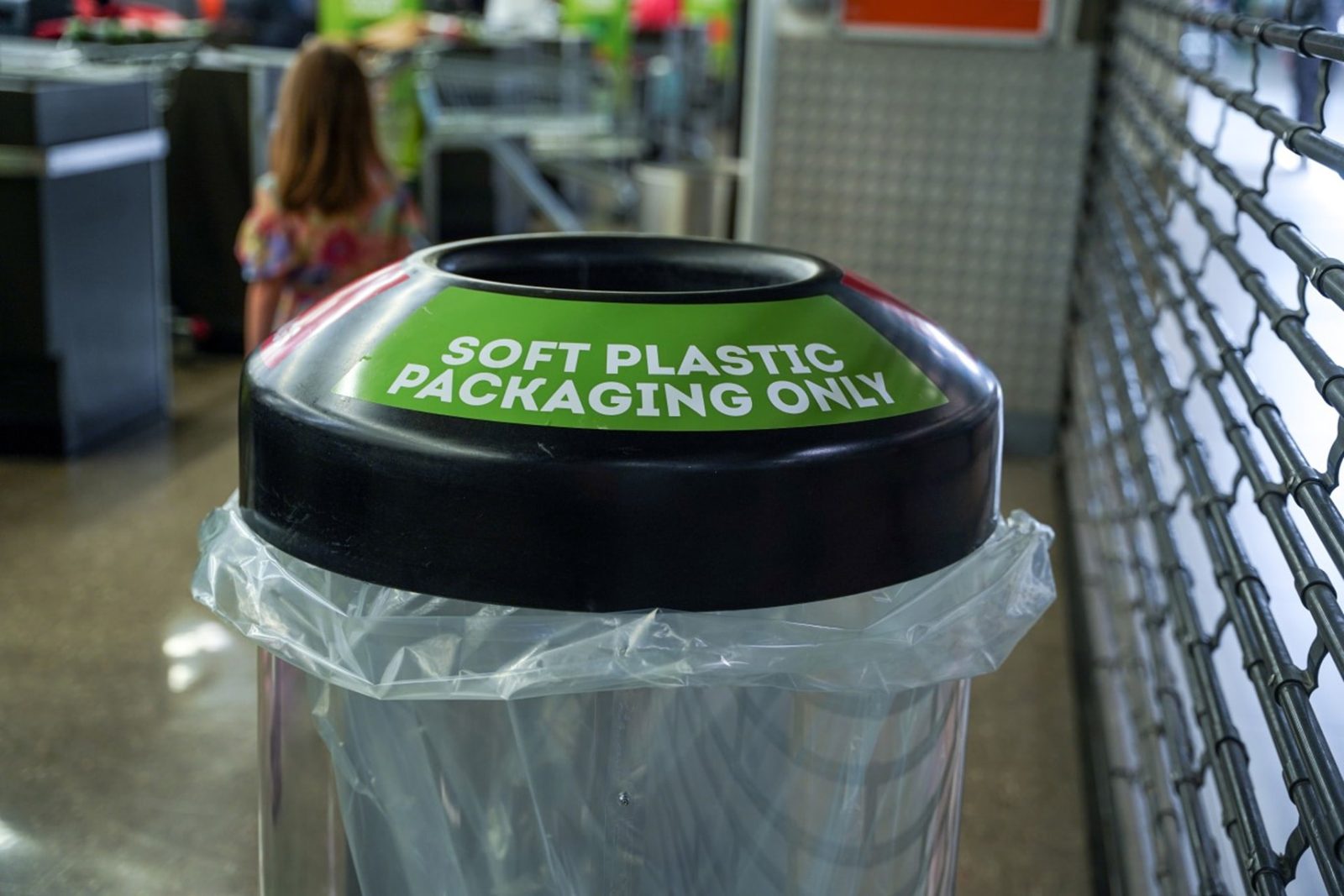
The practical message is simple: soft plastics are not kerbside recycling, but they are not automatically rubbish either. Aucklanders can take clean, dry, empty soft plastics to participating supermarket collection points through New Zealand's Soft Plastic Recycling Scheme. Council says there are more than 80 collection points across Auckland, giving many households a better option than either the yellow-lidded bin or the rubbish bag.
That drop-off habit needs a little discipline. Soft plastics should be empty, clean and dry. Food residue, wet packaging and mixed rubbish create their own problems. For families, the easiest approach may be to keep a small separate soft-plastics bag in the kitchen or pantry and drop it off during an ordinary supermarket trip.
The council's figures make the scale plain. Ninety-six tonnes a day is not a minor sorting nuisance. It is a daily landfill outcome produced partly by confusion at the bin. If Auckland wants to lower contamination, the fix depends on thousands of small household decisions being made correctly and repeatedly.
The reminder is also a useful reset for spring cleaning and school-holiday routines. When households are clearing cupboards, lunchbox packaging and delivery bags, the choice matters: rigid recyclable containers in kerbside recycling, soft plastics to the supermarket scheme if clean and dry, and genuinely non-recyclable waste to rubbish. It is not glamorous civic work, but it is one of the simplest ways Aucklanders can help the system they already pay for work better.