University of Auckland researchers have received $2.32 million from the Heart Foundation, backing eight projects and summer research aimed at improving heart health.
The local importance is obvious. Heart disease remains one of the country's most serious health burdens, and Auckland's research system is increasingly trying to connect engineering, data, clinical practice and equity. The new funding supports projects that sit across those boundaries.
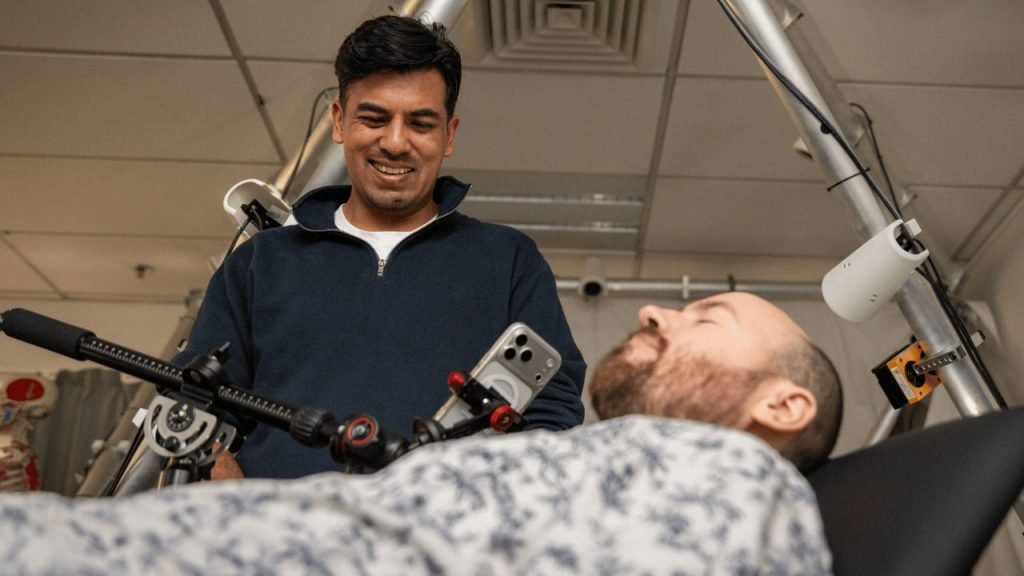
One of the most accessible ideas comes from biomedical engineer Dr Prashanna Khwaounjoo, who is investigating whether smartphone video of a person's neck can help detect serious heart problems. The tool captures tiny skin movements caused by blood flow, then uses an algorithm to analyse the pulse signal. If it works, the technology could give patients clearer information and help clinicians pick up warning signs earlier.
Other projects focus on people already living with major risk. Dr Nikki Earle is leading work to better identify when patients are at high risk of recurring heart problems after a first heart attack. The research draws on the Multi-Ethnic New Zealand Study of Acute Coronary Syndromes, which tracks more than 2,500 New Zealanders who have suffered a heart attack.
That detail matters because risk is not evenly distributed. Women, Maori and Pacific peoples can face particularly high risk after a first heart attack, and better prediction tools could help move care from general advice toward more personalised support.
The funding also includes work by Dr Debbie Zhao on improving heart imaging using artificial intelligence and advanced computer modelling. Her goal is to make echocardiography assessments more consistent and help people access treatment faster.
For readers, the practical takeaway is not that a phone camera or AI model is about to replace a doctor. It is that Auckland researchers are testing tools that could make heart care earlier, more precise and more equitable if the evidence holds up.
The cautious wording is important. Medical technology needs validation, clinical pathways and careful implementation. But the direction is promising: less waiting for problems to become obvious, and more ways to see risk before it turns into another emergency admission.