
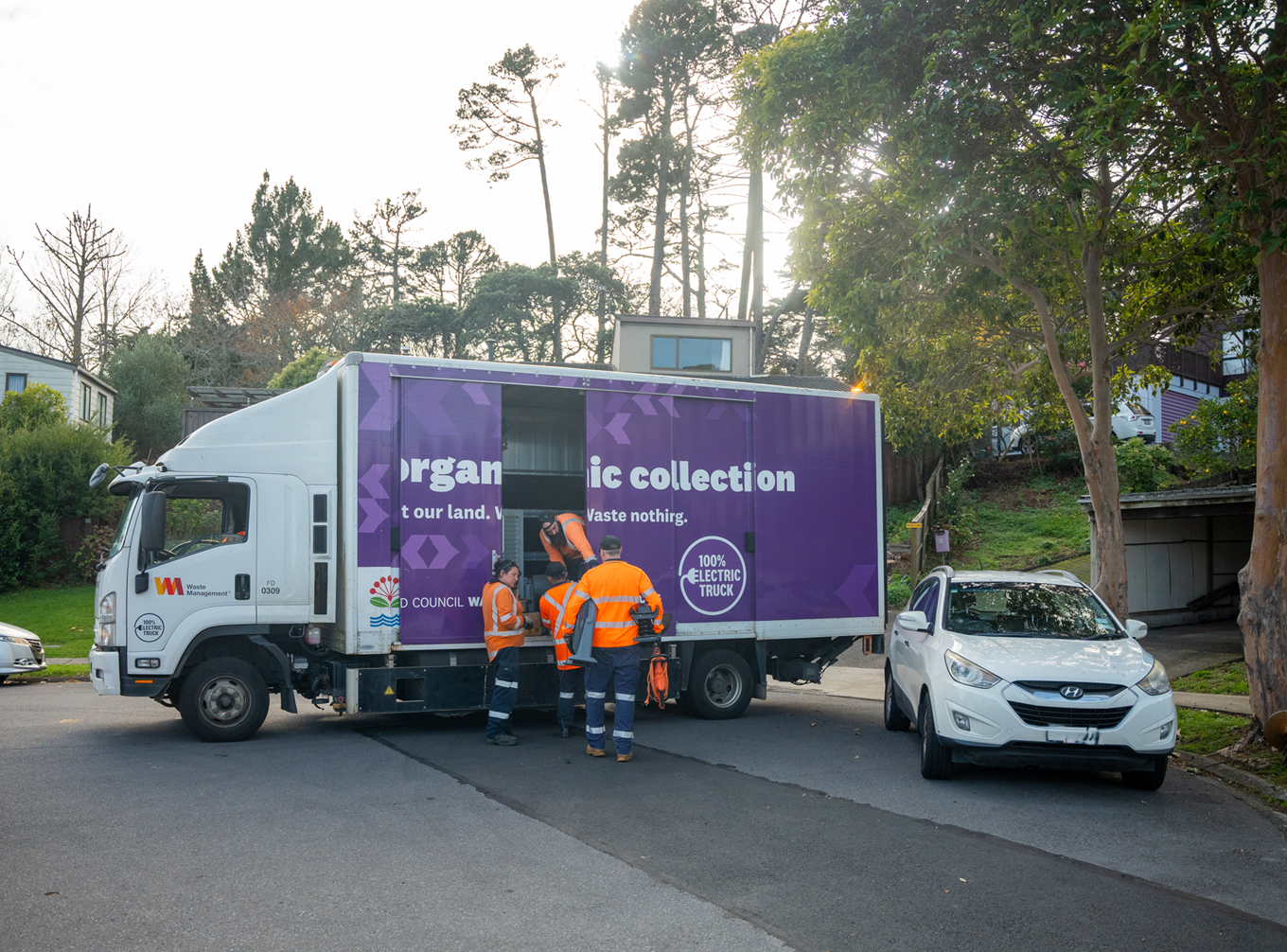
Auckland Council is reminding residents to book inorganic collections, with its 24 June update framing the service as both a household clear-out and a reuse pathway. The council says the annual collection is designed for large household items that cannot go in regular kerbside rubbish or recycling, while giving reusable items a chance to be recovered rather than sent straight to landfill.
The practical message is simple: residents should book the service, check what is accepted, and put items out only during the assigned collection window. Inorganic collections can become messy quickly when people leave unsuitable waste on berms or treat the service as a general dump. The council's update puts the emphasis on preparation because the service works best when households separate what can be collected from what needs a different disposal route.
The reuse angle is the more interesting Auckland story. Inorganic collections are often seen as a way to get rid of awkward items: furniture, appliances, household goods and other bulky things that are hard to move without a trailer or paid collection. But some of those items still have life in them. When the collection system can divert reusable goods to community partners, repair streams or second-hand pathways, a simple council service becomes part of the circular economy.
That matters during a cost-of-living squeeze. Many households are trying to spend less, and community organisations often need practical goods. A table, chair, shelf, small appliance or usable household item can be waste in one driveway and useful in another home. The challenge is making that recovery reliable, safe and efficient. Items left in the rain, mixed with broken material or put out too early can lose value before anyone has a chance to reuse them.
For residents, the responsible approach is to think before the booking date. If an item is clean, safe and usable, consider whether it can be donated directly first. If it is too large or awkward, the inorganic service may still be the right option, but it should be presented in a way that gives it the best chance of recovery. If an item is hazardous, electronic, building waste or otherwise excluded, it needs the correct disposal channel instead.
The update also has a street-level benefit. Scheduled collections reduce the risk of random dumping and keep neighbourhoods tidier than ad hoc piles left for weeks. That depends on residents following the rules and on clear communication from council. People need to know when their area is being collected, how much they can put out, and what will be rejected.
Auckland's waste challenge is not solved by one service, but inorganic collections are one of the points where household behaviour is visible. The city can either move bulky items through a planned system with reuse in mind, or deal with illegal dumping, contamination and missed opportunities later. The council's reminder is therefore not just administrative. It is a prompt for households to treat unwanted items as resources where possible, and as waste only when reuse is genuinely not realistic.