
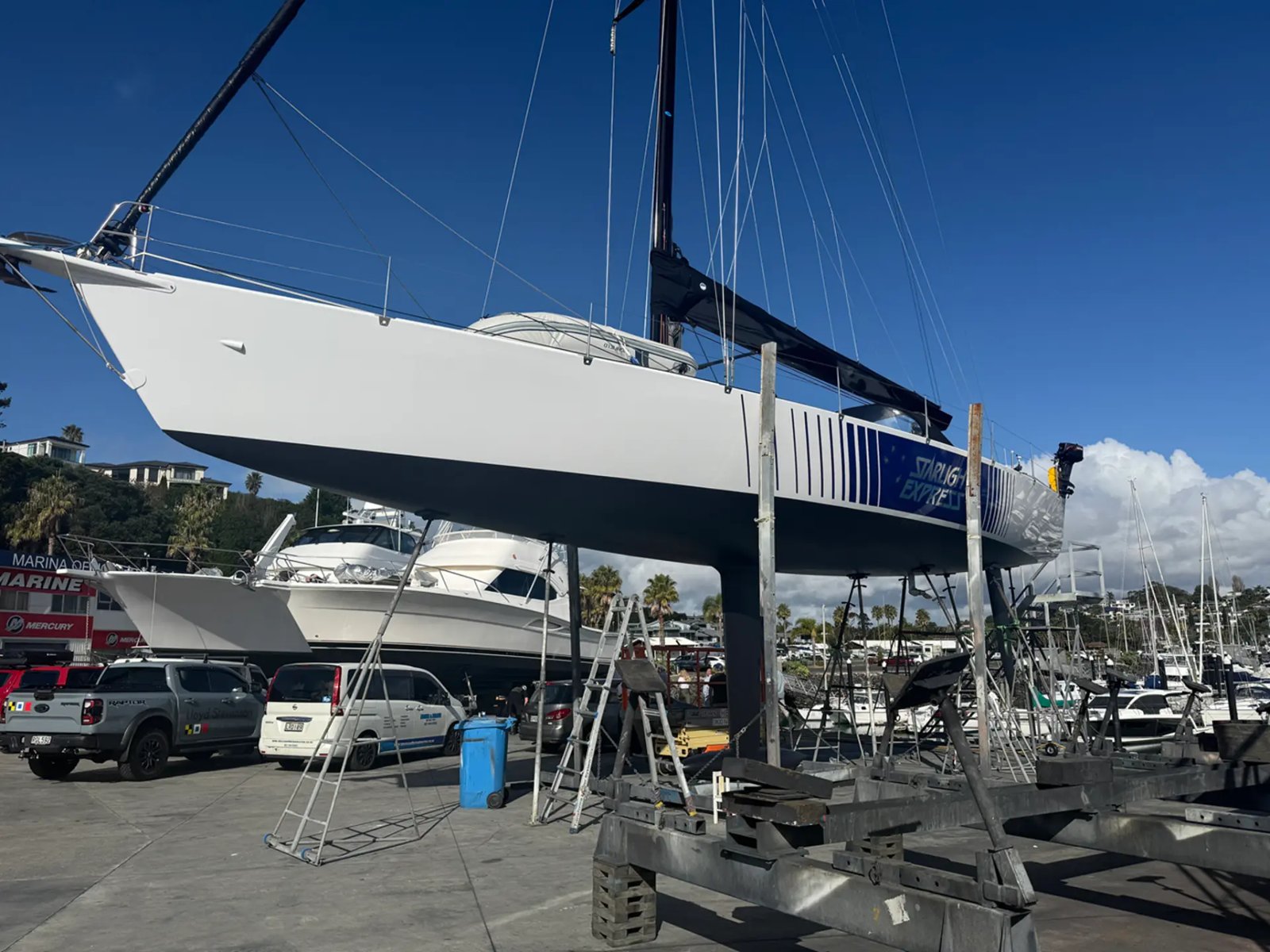
Auckland boat owners are being urged to get ahead of the summer rush by booking hull cleaning, antifouling and servicing before marine yards and contractors hit peak season. The council's message is practical, but it also carries a biosecurity warning: a clean hull is not just about speed or presentation, it helps reduce the spread of marine pests around the Hauraki Gulf and wider region.
The timing is deliberate. Late September is when many owners begin thinking about long weekends, Christmas cruising, fishing trips and time on the water. It is also when small delays can compound. If a vessel needs cleaning, antifouling, mechanical work, trailer checks or safety gear replacement, waiting until the first run of hot weekends can mean competing with everyone else who had the same idea.
For Auckland, that seasonal pressure is familiar. The city has one of the country's strongest boating cultures, with marinas, boat ramps, yacht clubs and coastal communities spread across the region. Summer boating habits connect families to beaches, islands, fishing spots and overnight anchorages, but they also put pressure on marine services and sensitive environments.
Hull fouling is part of that environmental risk. Marine growth attached to vessels can carry unwanted organisms between places. A boat that moves from one harbour, marina or mooring area to another can unintentionally transport pests if its hull has not been cleaned properly. Antifouling systems help slow that growth, but they need to be maintained and applied correctly.
The council's advice is therefore useful for both individual owners and the wider marine environment. Booking work early gives owners a better chance of securing a preferred haul-out time and dealing with unexpected repairs before holiday plans are locked in. It also gives contractors and yards a smoother workload rather than a compressed pre-Christmas scramble.
Good preparation goes beyond the hull. Owners should check lifejackets, flares, radios, batteries, fuel systems, bilge pumps, trailer tyres, lights, bearings and registration details before the first major trip. Families and groups heading out together should also make sure someone has logged a trip plan, checked the weather and knows the limits of the boat and crew.
There is a local-business angle too. Early bookings help marine yards, divers, mechanics and antifouling specialists plan staff and materials across the busiest part of the year. That matters for a sector made up of many small operators whose work is highly seasonal. A smoother maintenance calendar can mean fewer rushed jobs, clearer advice for owners and more reliable service when the weather finally turns settled.
The biosecurity piece can be easy to overlook because it happens out of sight. A fouled hull may look like an inconvenience, but marine pests can affect native ecosystems, shellfish, aquaculture, recreational areas and the cost of future control work. Preventing spread is usually easier and cheaper than trying to remove a pest after it becomes established.
For Aucklanders planning a summer on the water, the takeaway is simple: do the boring jobs before the fun ones depend on them. Early hull cleaning and antifouling can protect a holiday plan, reduce the risk of breakdowns and help keep the region's marine places healthier. The best summer boating day starts long before the boat leaves the marina.