Upper Harbour's year ahead is taking shape around a larger Albany library, local parks, stream restoration and community support, according to Auckland Council's 4 August update. The council says a new multi-functional library for Albany is moving closer, while investment continues in pathways, recreation spaces, environmental programmes and neighbourhood groups across the local board area.
The library is the headline because it speaks directly to growth pressure. Albany Village Library is described by the board as one of Auckland's busiest libraries, and the community around it has changed quickly as more people move into the wider Upper Harbour area. A larger, fit-for-purpose facility is not just about books. Modern libraries carry study space, digital access, community programming, language support, meeting rooms, family activities and quiet civic space in suburbs that are otherwise dominated by retail, roads and private venues.
The council update says the board's work this year will focus on planning and funding options for a multi-functional library while continuing advocacy for investment. That wording is important because it does not mean a new building is about to open. It means the project remains in the planning and funding pipeline, and residents should watch future board decisions for timing, budget and site detail.
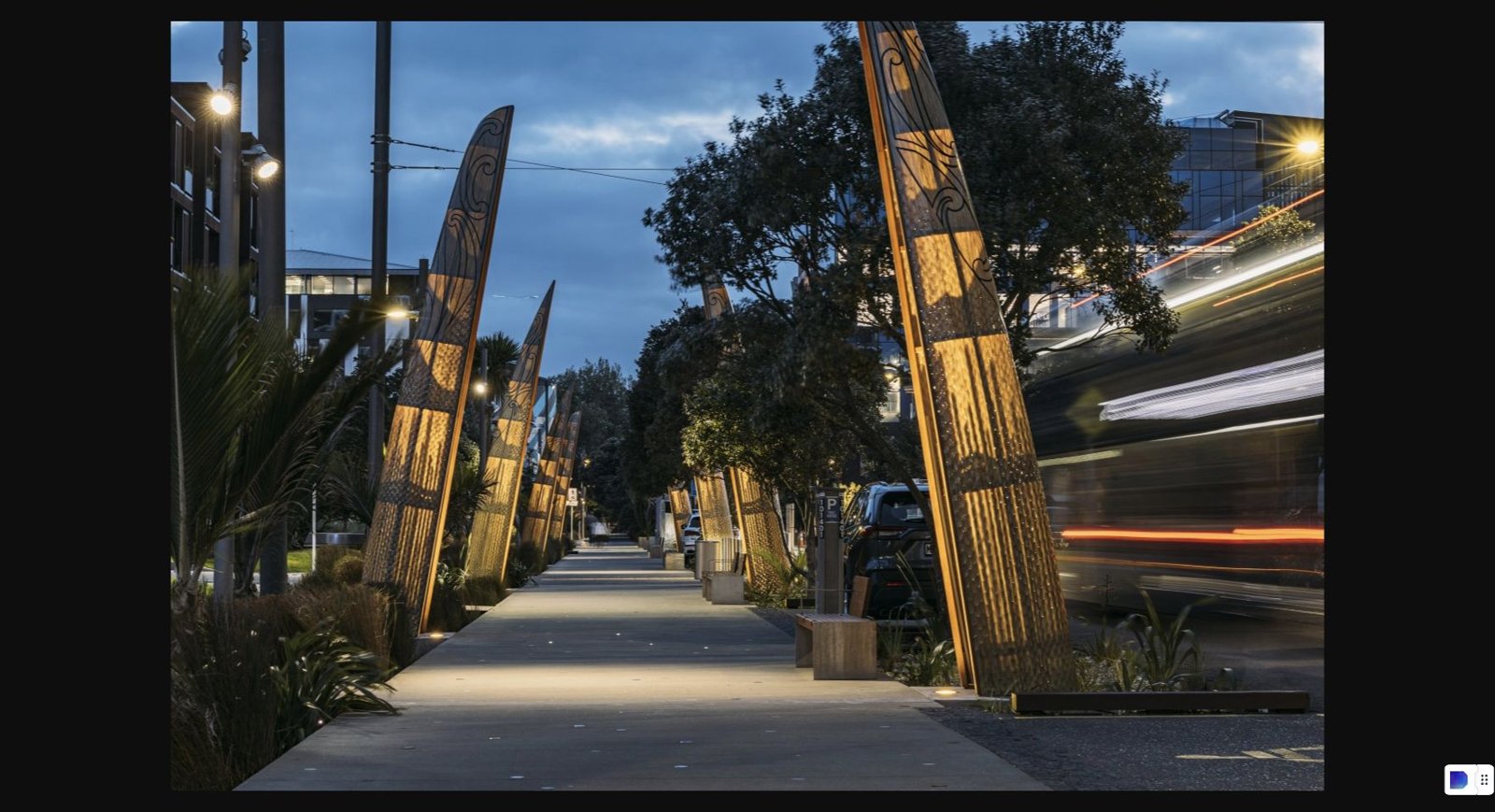
Parks and pathways are the second major strand. Upper Harbour's capital investment programme is listed at $9.1 million, aimed at maintaining and improving parks, sports fields, community spaces and pathways. In fast-growing suburbs, those assets can feel ordinary until they are missing. A local path changes whether a child can walk safely to sport. A maintained field changes whether clubs can run full seasons. A community space changes whether local organisations can meet without hiring commercial rooms.
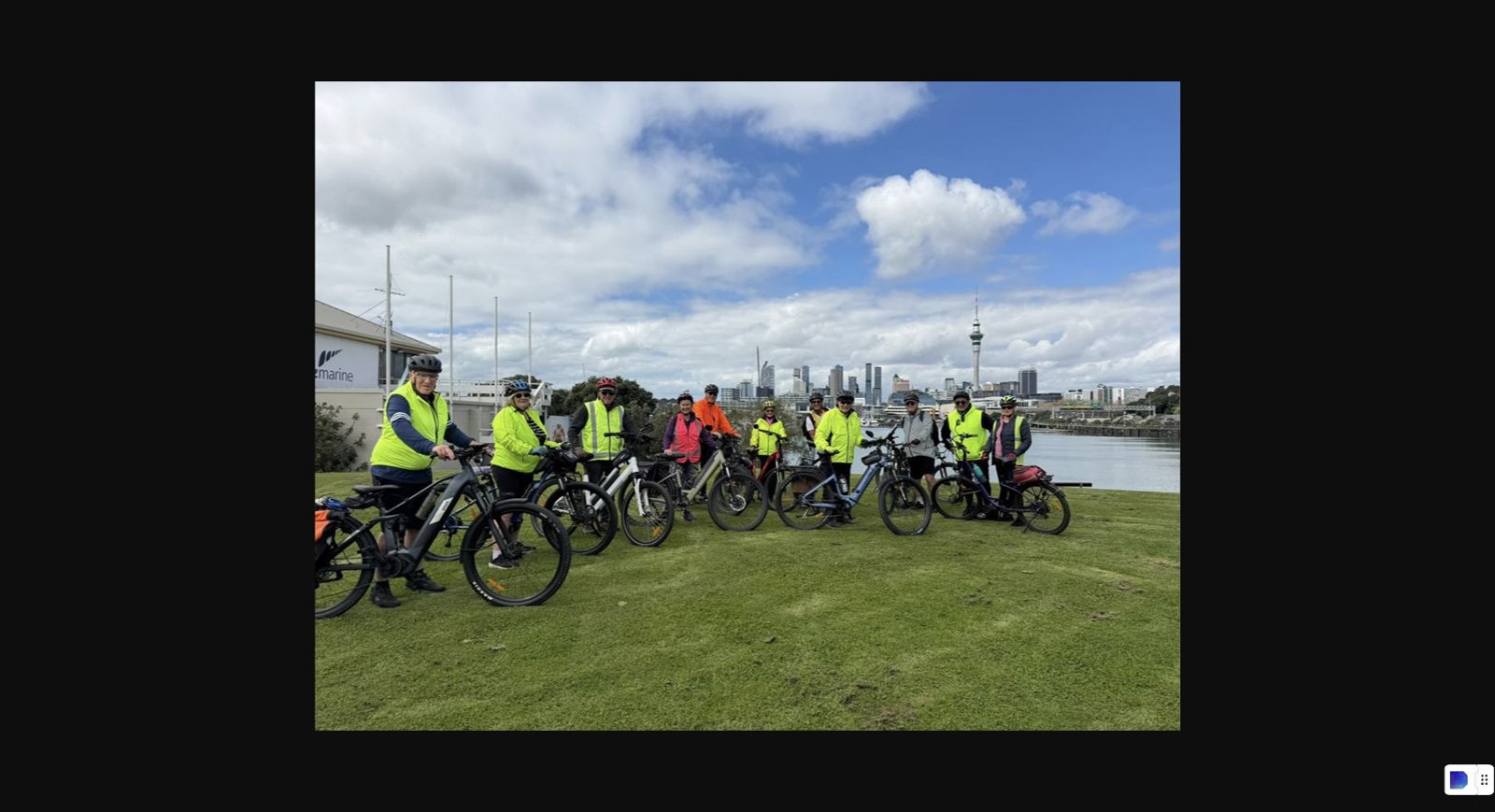
Environmental work is also part of the programme. The council says $263,000 is allocated to environmental programmes, including restoration work in the Waiarohia, Alexandra and Oteha streams, pest control, ecological restoration, waste reduction initiatives and community cycling programmes. The stream focus matters because growth in Auckland's north brings pressure on stormwater, erosion, water quality and habitat. Restoration is usually quieter than a new building, but it can have lasting effects if it is tied to catchment planning and community stewardship.
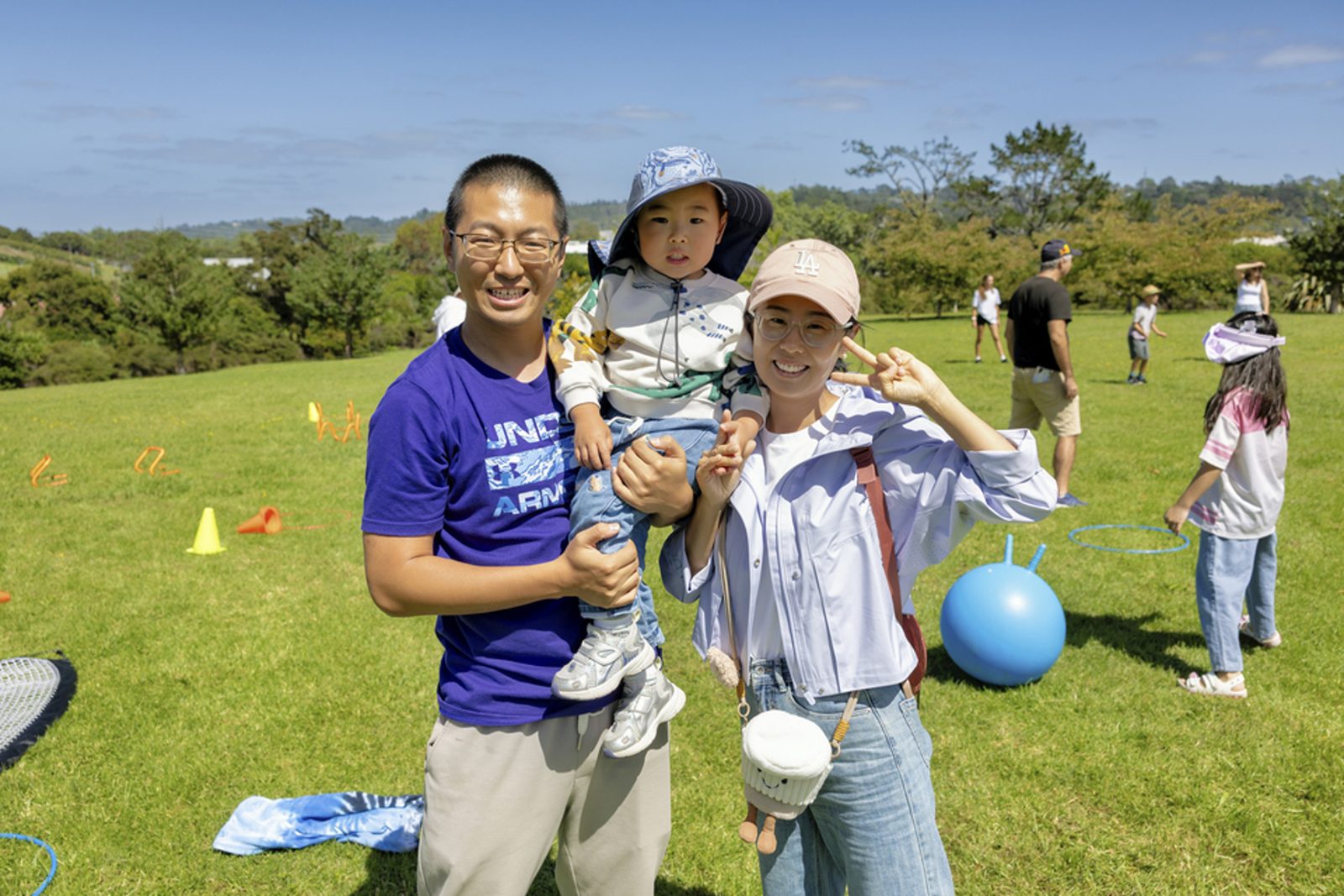
The board also says it will continue backing community organisations, placemaking projects and programmes that promote wellbeing, resilience and belonging. That is broad language, but in practice it covers the local groups that often make public assets useful: volunteers, clubs, neighbourhood projects, cultural groups and residents who organise events or services.
For Upper Harbour residents, the update is best read as a work programme rather than a single announcement. The library remains the largest long-term signal. The parks, pathways and stream work show the everyday investment that keeps growth from becoming only more traffic and more houses. The challenge will be sequencing: making sure planning does not drift, environmental projects remain visible, and community groups can see where the board's priorities translate into real local change.
Residents should also keep an eye on how the board reports progress. A capital programme can sound substantial on paper but still feel distant if people cannot see which park, path, stream or facility is next. Clear project timing, plain budget updates and visible consultation points will matter if Upper Harbour's growing population is to feel that local investment is keeping pace with local pressure.