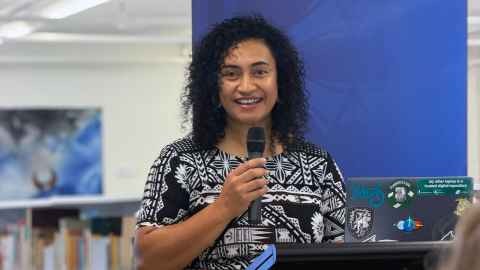
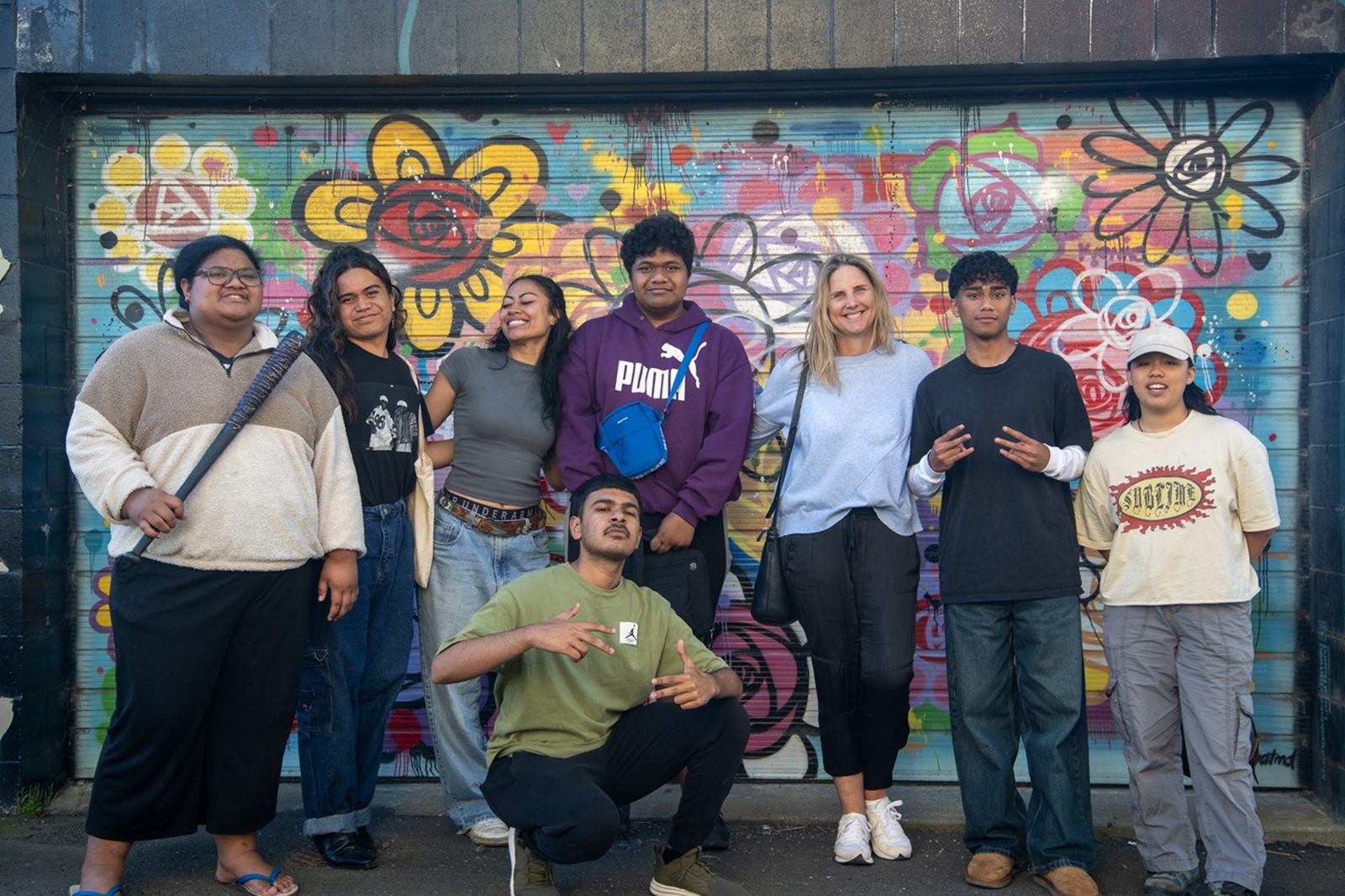
Auckland Council has put two young community leaders in the spotlight, naming Gloria Tuitupou, 24, and Noah Te Atakura Brown, 23, as examples of rangatahi leading decisions about youth investment in their own neighbourhoods. The council's 4 August story says the two Aucklanders are involved in pioneering projects where young people aged 15 to 24 help decide where support should go.
The work sits inside a participatory budgeting programme supported by Auckland Council's Community Wellbeing Department. In plain terms, participatory budgeting shifts part of the decision-making process closer to the people affected by it. Rather than adults designing a youth programme in isolation, young people help shape priorities, test ideas and decide which proposals deserve backing.
That matters in Auckland because youth services can miss the mark when they are designed too far away from everyday experience. Transport cost, confidence, family responsibilities, school pressure, work uncertainty, cultural obligations and safety all affect whether a programme is useful. A young person who lives those pressures is often better placed to spot whether a proposed project will actually be used.
The council says Noah and Gloria are leading initiatives that create pathways for young people to build confidence in work, learning and life. A pilot was funded by the Maungakiekie-Tamaki Local Board in partnership with co-investors Foundation North and the Department of Internal Affairs. The local board now invests annually in the locally delivered programme, according to the council's update.
Noah's background gives the story a wider arts and youth-development context. Action Education lists Noah Te Atakura Brown as a spoken word artist of Samoan and Cook Islands descent, a Word - The Front Line alumni member and a graphic designer. That kind of background matters because youth leadership is not only about meetings. It can also come through performance, design, facilitation and the ability to make a room feel safe enough for young people to speak.
Gloria's role with Youth4Sure points to the same theme: local leadership is built through trusted groups, not just formal titles. When young Aucklanders can see peers leading projects, the work becomes easier to understand and harder to dismiss as another council process.
The useful question now is whether the model can keep its local texture as it grows. Participatory budgeting works best when the process stays understandable, when young people can see how decisions are made, and when unsuccessful ideas still receive clear feedback. If it becomes too bureaucratic, it risks losing the very group it is meant to empower.
For Auckland, the 4 August update is a reminder that youth investment is not only a funding line. It is also a civic habit. Giving young people a real role in deciding priorities can build confidence, expose gaps in existing services and create a stronger leadership pathway for people who are already doing the work in their communities.
The story is also timely because it treats young people as decision-makers, not only as recipients of support. That framing changes the accountability. If a youth-led proposal is funded, the community can ask what changed, who participated and what was learned. If it is not funded, the process can still teach budgeting, communication and compromise. Those are civic skills Auckland will keep needing.