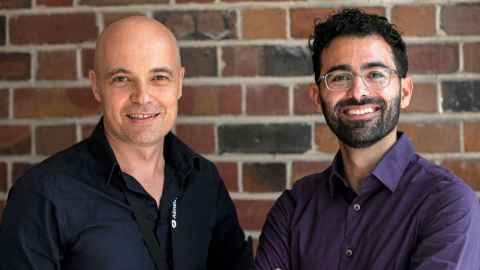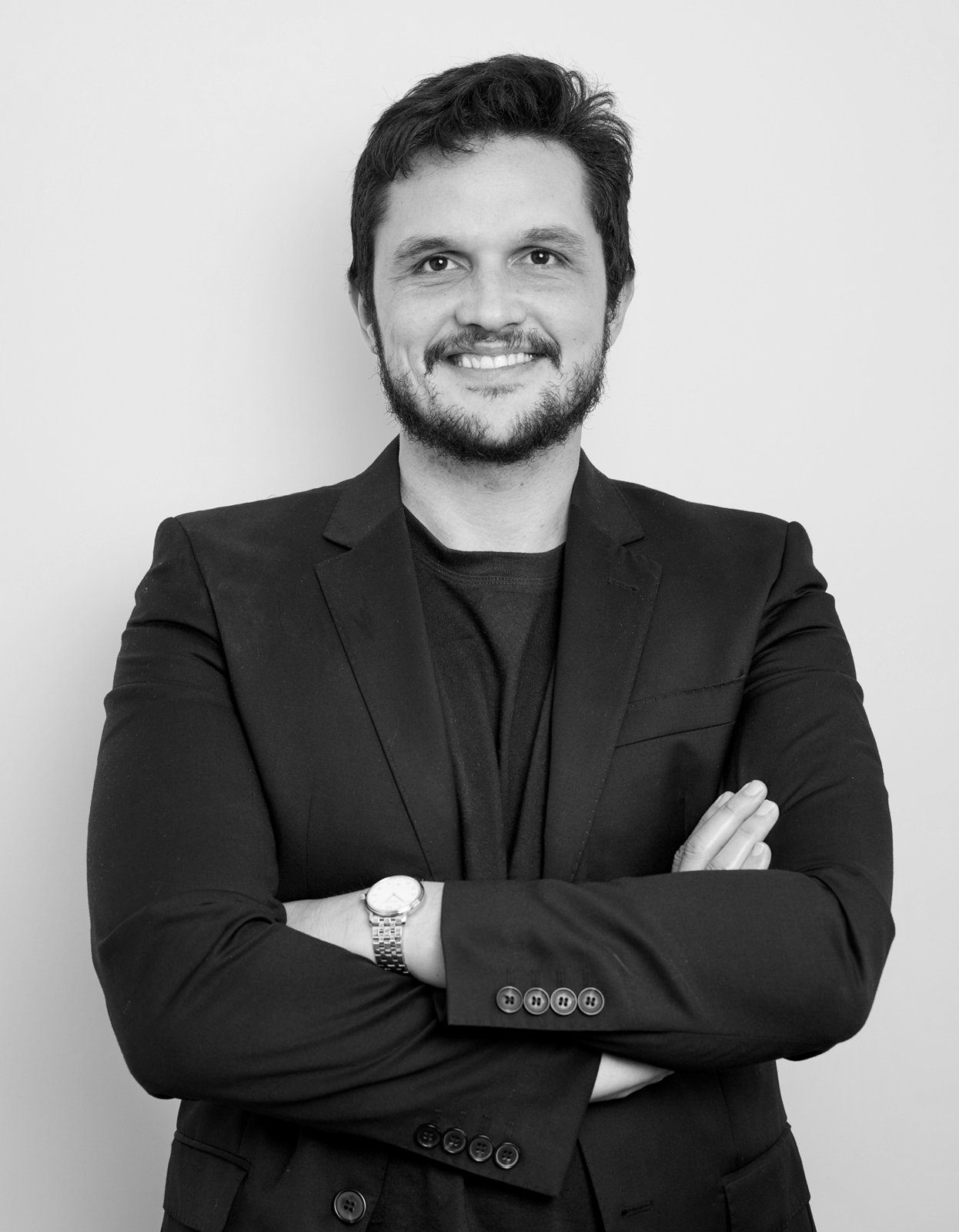
Auckland founder Paul Mallinson is taking Capiche into Auckland Startup Week with a message that cuts against much of the current AI market: the tool is designed to help dyslexic people write for themselves, not to write on their behalf.
OurAuckland's 1 October update describes Capiche as an anti-generative AI writing tool. Its purpose is to help users see where their words may not be communicating what they intend, while keeping the ideas, ownership and voice with the writer. That distinction matters for schools, families and employers trying to support access without replacing the person doing the work.
The company has a personal origin. Mallinson built the tool after watching his dyslexic son struggle to get ideas onto the page. The problem he identified was not a lack of intelligence or ideas, but the gap between thinking clearly and expressing those thoughts in writing. Capiche is aimed at that gap.
The early uptake gives the Auckland story some weight. According to OurAuckland, more than 1,000 users have signed up, more than 75 schools across New Zealand are engaged, and interest is beginning to build in Australia. Capiche has done that while remaining self-funded, debt-free and founder-owned, with about $90,000 of funding including personal investment and MBIE research and development support.
Startup Week gives the company a fresh platform. Capiche has been selected for the Challengers Expo, which spotlights companies trying to reshape their sectors. The next commercial step is not another product demo alone. Mallinson is seeking investment, strategic partners and commercial expertise as the company prepares for school and institutional licensing, family subscriptions and international growth from 2027.
For Auckland's startup scene, the useful angle is not simply that another AI tool exists. It is that a local founder is trying to build assistive technology around restraint. In a market full of tools promising to generate more text, Capiche's pitch is that some people need help getting their own thinking heard.